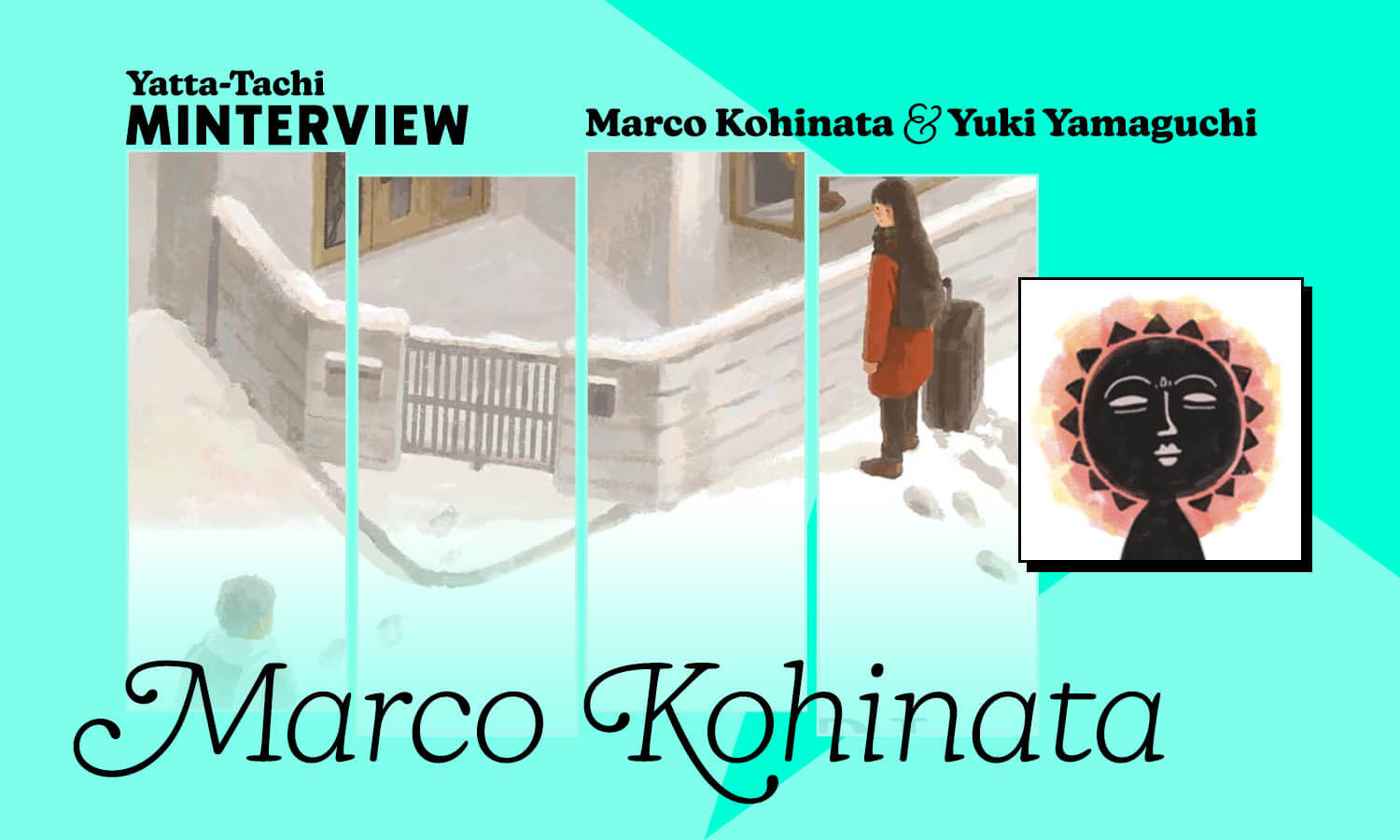
Manga’s greatest strength is its breadth. There is a series for every subject matter that you can imagine, and an artist for every taste. Despite this fact, only a narrow slice of the medium has broken through abroad. That’s where MINT (Manga International Network Team) comes in. Founded in 2024, this organization champions six artists (and five editors) that each offer something unique through their manga.
This is MINTERVIEW, a series of Yatta-Tachi interviews profiling manga artists and editors associated with MINT. This time we spoke with MINT-affiliated artist Marco Kohinata and editor Yuki Yamaguchi. Kohinata is a multi-talented artist who has drawn for manga, picture books and even animation. Her series Akari was nominated for Best One-Shot Manga at the American Manga Awards this year. Yamaguchi is the international rights manager at HERO’S INC, and has helped publish graphic novels like Riad Sattouf’s The Arab of the Future in Japan.
Marco Kohinata
“I simply wanted to do something art-related for work”
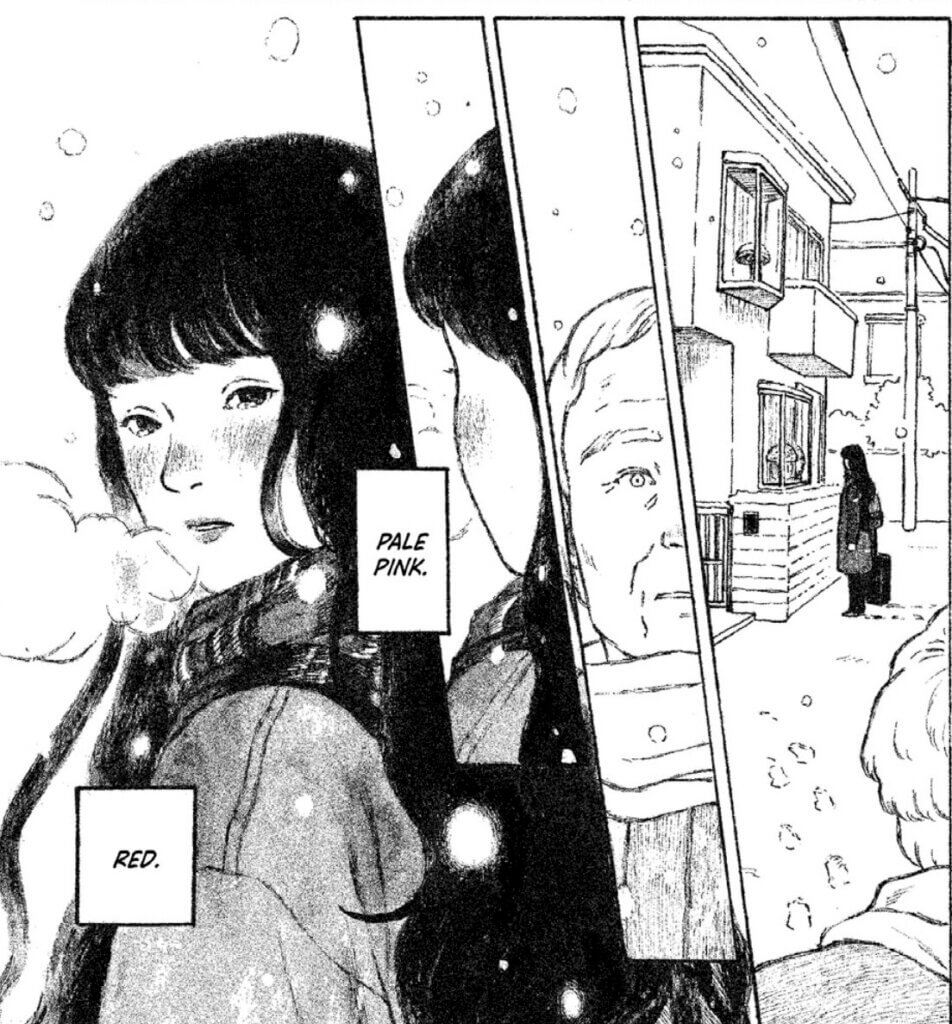
ADAM WESCOTT: When did you start reading manga? When did you start drawing manga?
MARCO KOHINATA: I don’t clearly remember exactly when I started reading manga on my own, but I think it was probably when I was in the second or third grade of elementary school (8 or 9 years old). When I was little, my parents and much older brother had manga at home. Before I could read, my brother read them to me and I remember laughing so hard my sides hurt. I probably started drawing a little after I began reading, and by the time I was in the third or fourth grade (around 10 years old), I was already drawing my own.
WESCOTT: How did you make your debut as an artist? Did you work as an assistant, or did you start by publishing your own comics?
KOHINATA: I made my debut as a manga artist in 2015 by starting a series on the manga app comico. At the time, full-color, vertically scrolling manga were just coming out, and comico was one of the pioneering platforms for that format. (Unfortunately, the service is scheduled to shut down on January 6, 2027.) I had always wanted to work in art, so after graduating from high school, I enrolled in a correspondence art college. However, since I was paying my own tuition, I struggled to balance everything—part-time work, caring for my sick mother, college studies, and my own creative projects.
Hoping to make more time for drawing, I looked for ways to make art my part-time job. That’s when I discovered comico was recruiting manga artists and decided to apply. I didn’t set out with the goal of becoming a manga artist from the start. Rather, I simply wanted to do something art-related for work and manga ended up becoming my primary career. I was also interested in illustration and animation, so I pursued opportunities in those fields as well, and now the nature of my main work shifts depending on the time of year.
Trial and Error
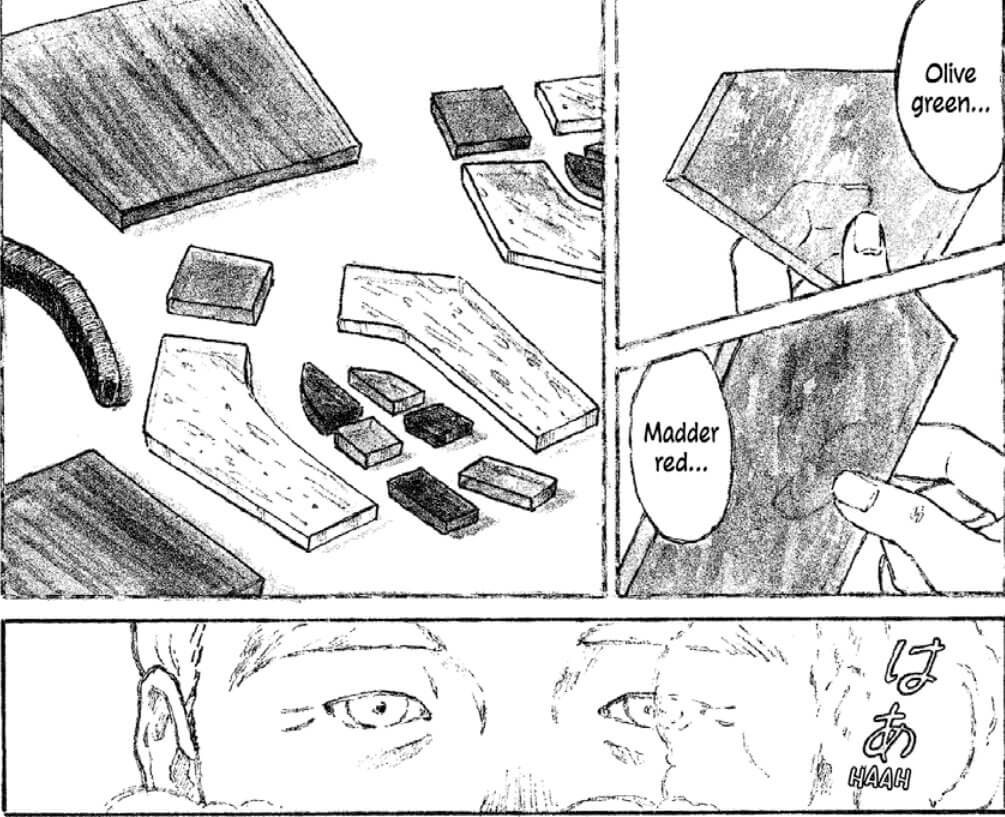
WESCOTT: Despite the fact that Akari is a black and white manga, the characters talk and think a lot about color. How do you convey color value within the black and white format?
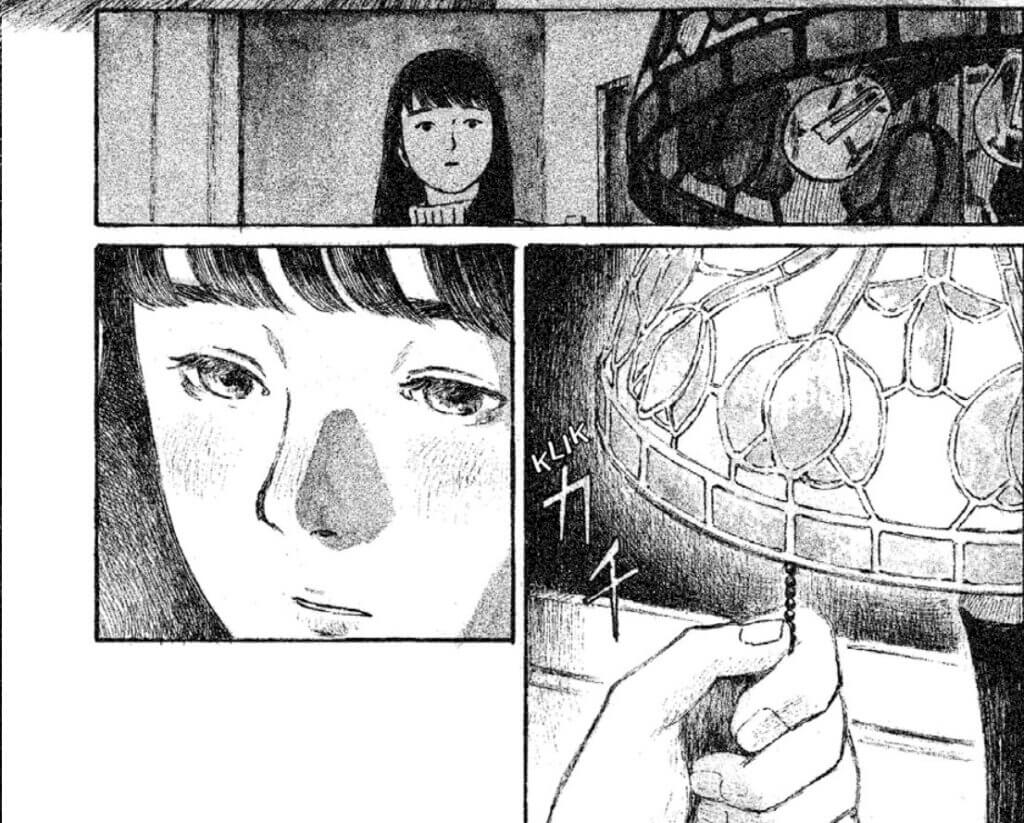
KOHINATA: This was a really tough process that involved a lot of trial and error. As I stated earlier, I originally debuted with a full-color manga, so I was actually more comfortable drawing in color than in black and white. However, since black-and-white is the standard for Japanese manga, I had to do a lot of experimenting to figure out how to achieve the specific nuances in tone that I envisioned after making the switch.
Throughout my life, I have always looked for, observed, and depicted light in my art. And since light is inherently composed of various colors (wavelengths), I feel that even in a black-and-white image, a sense of color naturally comes through. My experience with creating black-and-white sketches in pencil and charcoal during high school has also been a big help.
For materials, I use a combination of rough-textured paper, watercolors, colored pencils, and drafting pens. Then, when preparing the final data for print, I apply digital screen tones to create a grainy texture.
Childhood Memories
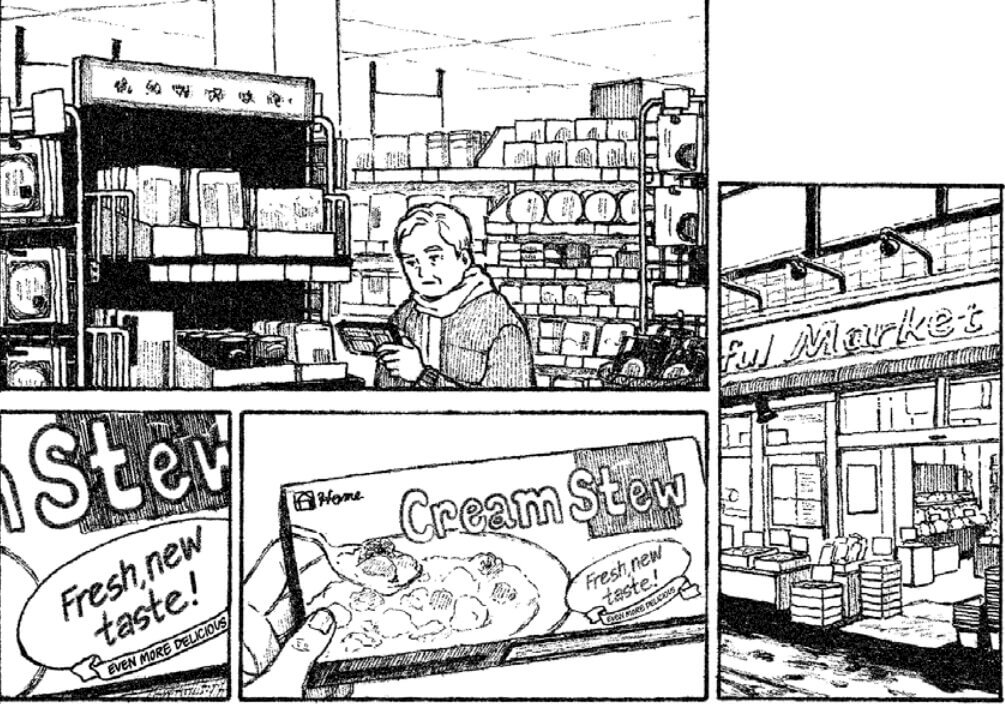
WESCOTT: What made you choose stained glass as the character Kagari’s artistic practice? Have you worked with stained glass yourself?
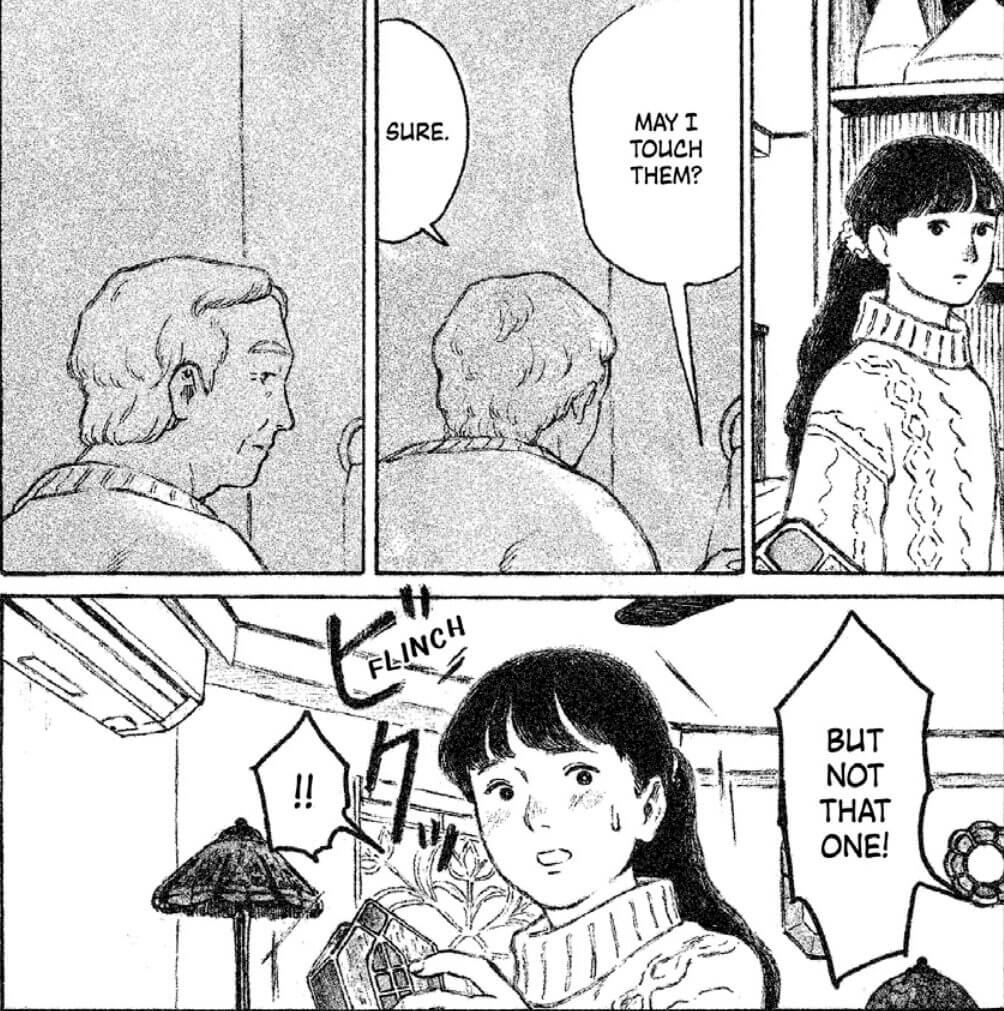
KOHINATA: I didn’t choose stained glass simply as a way to depict Kagari-san; for me, he and stained glass were a package deal from the very beginning. The character was born from my memories with my grandfather who was a stained-glass artisan. The idea for the creative process started with ”let’s think of an elderly stained-glass craftsman,” and as I fleshed out his personality, the character of Fumiyo Kagari took shape. My grandfather had a bright, cheerful personality—so their characters are actually quite different, but the connection remains.
As for the craft itself, I’ve never made stained glass at home because the materials are expensive and require specialized equipment, though I do have childhood memories of making it together with my grandfather at his house.
WESCOTT: As someone who has made both manga and picture books, how do these mediums differ? What do you enjoy about picture books as compared to manga, and vice versa?
KOHINATA: The appeal of manga lies in the fact that one person can craft a long, complex story—something like a movie—all by themself. In comparison, picture books have fewer pages which makes it hard to tell long stories. And since they prioritize visual information, the quality of the art and ideas is key.
“Each medium’s unique characteristics”
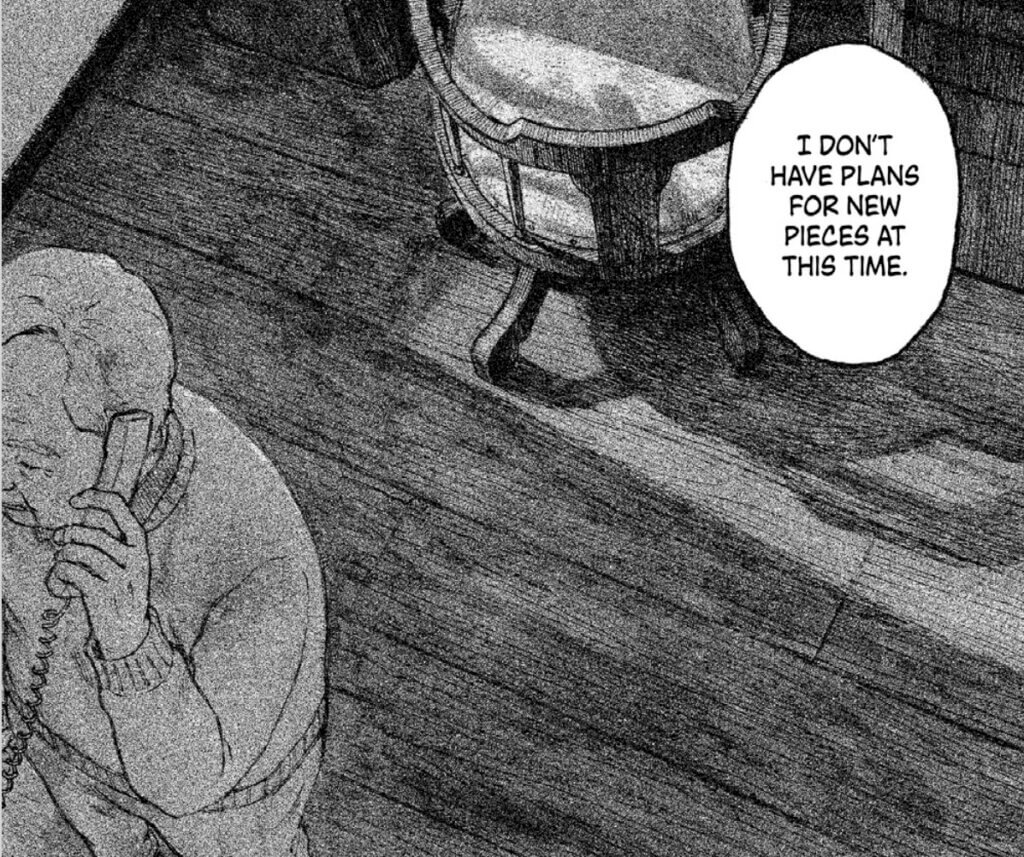
KOHINATA: While the Japanese manga industry is dominated by monthly and weekly serials—leaving little time to meticulously refine the art due to tight deadlines—this limitation makes it easy to create a sense of liveliness. Picture books, however, can take anywhere from a year to several years to complete, allowing the artist to take their time and perfect every illustration to their heart’s content. Another nice thing about picture books is the creative freedom they offer regarding format—such as book size and shape, or the use of gatefold flaps and cutouts.
On the other hand, picture books in Japan are strongly perceived as reading material for kids and generally have a smaller readership than manga so I feel that manga offers a greater chance of reaching a wider audience.
WESCOTT: Has learning how to animate yourself changed the way you’ve thought about and drawn illustrations or manga?
KOHINATA: I’ve been making animations just for fun since I was a teenager, so I can’t really pinpoint a specific moment where any major shift occurred. However, since I was working on everything all at once, I gradually came to understand the inherent differences between the mediums and learned to tailor my creative approach to make the best of each medium’s unique characteristics. That being said, because I was learning them at the same time, I feel that my skill level in each specific field is behind that of someone who has specialized in just one medium.
Enjoying the Process
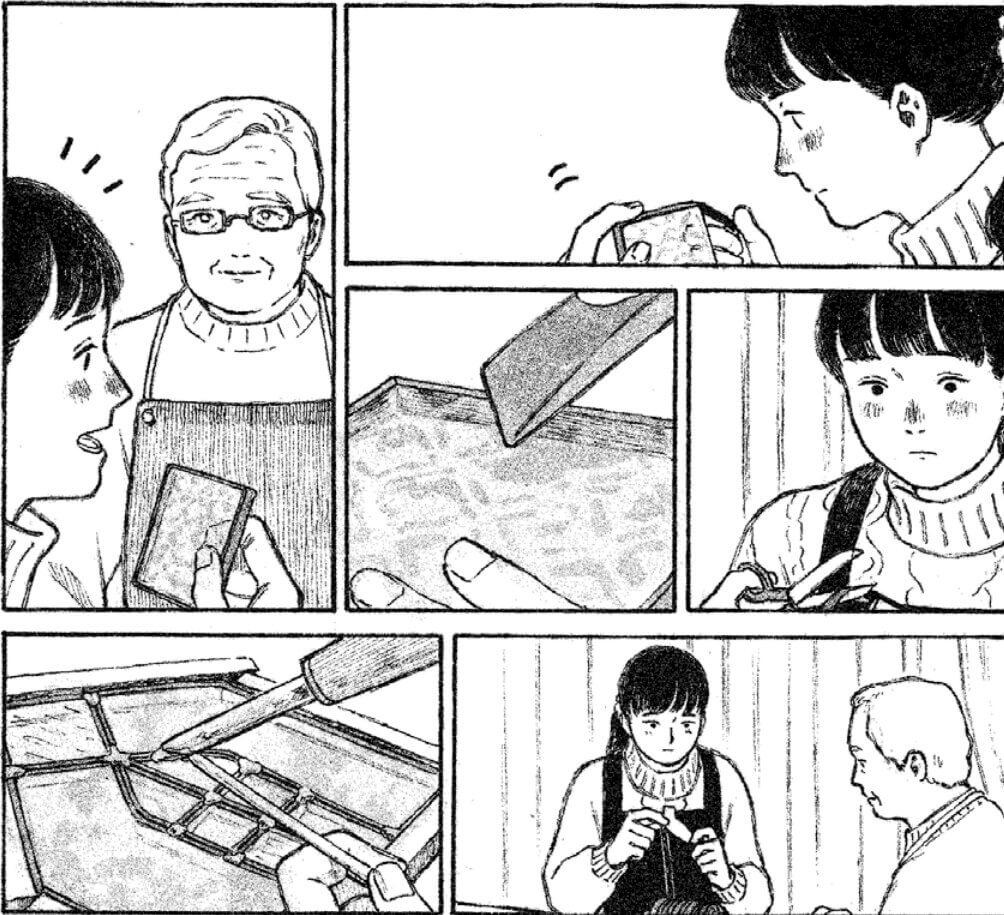
WESCOTT: Have you experienced artistic burnout like Kagari in the past as well? If so, how did you learn to live with it or move past it?
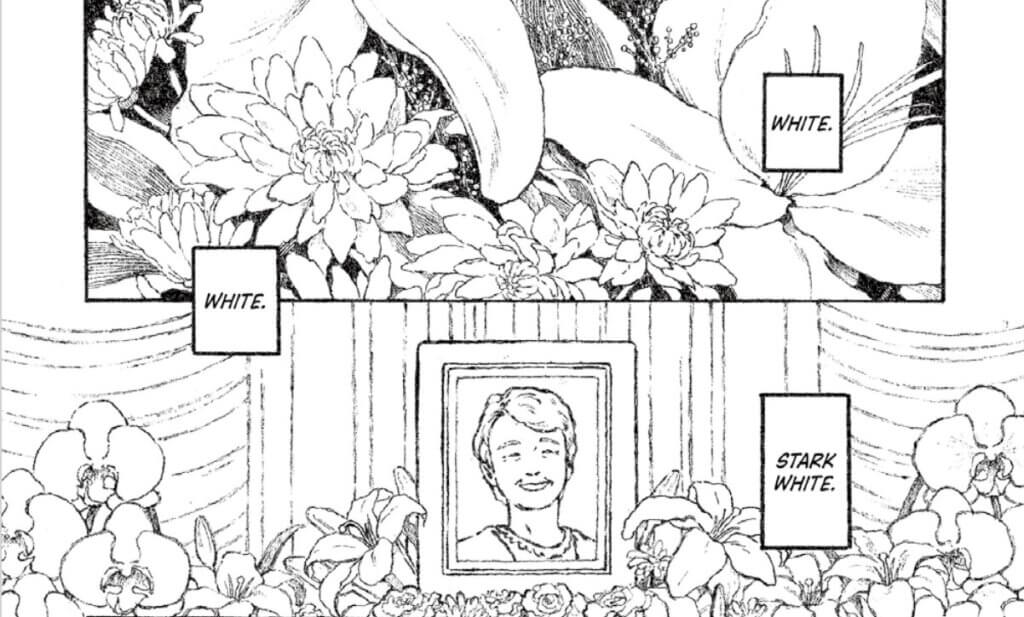
KOHINATA: This is something that absolutely happens. The “blank white paper” on Kagari-san’s desk in the opening scene is based on my own experience of sitting in front of a blank sheet of manuscript paper, unable to come up with a single idea. I managed to overcome this by realizing that the root cause of my inability to draw was my own obsession with perfection. Instead of aiming for “success,” I set a goal to “make lots of mistakes” and shifted my focus to “enjoying the process.” Once I did that, ideas for what I wanted to draw started pouring out—to the point where I can barely keep up with the actual production work .
WESCOTT: What do you like most about drawing manga? What do you like least?
KOHINATA: What I enjoy most is the process of drawing—moments when I’m thinking about various things, or becoming completely absorbed in observing and learning something. It’s even more gratifying when I make “discoveries” along the way. On the other hand, what I find difficult is the pressure of deadlines. That said, I also realize that having those deadlines is precisely what allows me to bring my work to completion.
WESCOTT: Do you have any personal favorite tools or techniques that you use to draw manga?
KOHINATA: Given the production pace required for my current series, I’m working digitally. However, I do enjoy working in analog and combining various art materials.
WESCOTT: Do you have hobbies outside of drawing manga? If so, what are they?
KOHINATA: I have a lot of hobbies! I try to challenge myself by doing something new every year; I’ve liked going on walks, photography, reading, watching movies, and cooking. Last year I started birdwatching. This year, I’m trying out home gardening. I consciously set aside time for hobbies to get my mind off manga, but I feel that, ultimately, this ends up deepening and expanding the world of my work.
Yuki Yamaguchi
Spirited Away to Another World
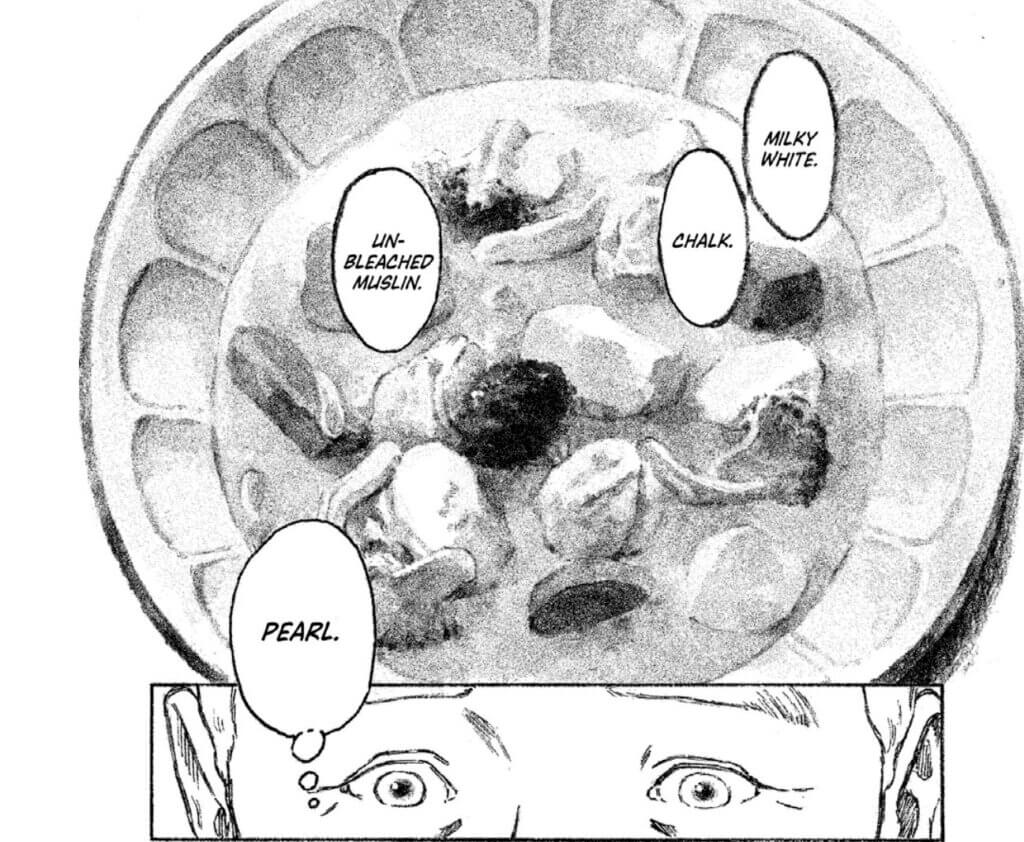
WESCOTT: What in your mind is the greatest appeal of manga?
YUKI YAMAGUCHI: I think manga’s greatest appeal is that the reader can instantly project their feelings onto the characters even if they don’t understand the language or if there are societal and cultural differences. At the same time, there’s been a recent global trend of “cozy fiction” (healing fiction) and I feel that manga serves that role perfectly. No matter how tired someone is from work, they can spend a few minutes reading on their smartphone and be spirited away to another world.
For busy people today, manga is like a quick and effective refresher. I’ve often been uplifted by manga characters at rough points in my own life. Manga has also introduced me to worlds I’d have never known many times over.
WESCOTT: How did you first become interested in comics published outside of Japan? Are there particular challenges associated with publishing translations of international graphic novels compared to those of a typical manga editor?
YAMAGUCHI: It all started in elementary school when I happened to pick up Art Spiegelman’s Maus from the library’s picture book corner. I borrowed it casually thinking “it’s just a comic,” but the harrowing depictions of Auschwitz shocked me to my core. But having such an intense experience was exactly what sparked my fascination with comics and graphic novels. Since then I’ve read many different international comics like Persepolis and Fun Home.
A Sense of Pride
YAMAGUCHI: At my previous job, we published around 20 foreign graphic novels into Japanese. An issue I encountered during that process was the difference between overseas and Japanese bookstore settings. In Japan, manga is generally understood as a small and affordable product so bookstore shelves are sized accordingly. The books are also shrinkwrapped in plastic so you can’t see the inside.
To get international comics onto bookstore shelves, I obtained permission from overseas rights holders to shrink them down to A5-sized paperback editions. We adopted a strategy of marketing the books as specialized academic works in fields such as sociology to ensure that they would appeal to readers even at a higher price point. And to allow the contents to be viewed we did away with the shrinkwrap. I am truly grateful to the translators of various languages for their dedicated support in picking out the right titles and adapting the amount of the text to match the reduced size.
WESCOTT: When and how did you start working with Marco Kohinata?
YAMAGUCHI: My first encounter with Kohinata was when I joined HERO’S INC. in the summer of 2025 and heard she was taking part in the MINT project. I heard about MINT from Keita Katsushika whom I met at an international comics event and thought, “What a great initiative!” When I went to Germany before switching jobs, the comic book store staff there knew about the MINT project. I felt a sense of pride knowing Kohinata is involved with such a great project.
No One to Turn To
YAMAGUCHI: From there, as the English and French editions of Akari were being produced, I was truly grateful for her gracious advice on everything down to even the finer details. And when the Arabic language publisher of Akari tapped Kohinata to be a judge for their manga competition, to deepen our understanding of the demand for manga in Saudi Arabia and the wider Arabic-speaking world, she went with me to a lecture held by a publishing representative from Saudi Arabia. I was impressed to see how Kohinata-sensei is seriously trying to understand religious constraints on expression.
WESCOTT: What do you think is Marco Kohinata’s greatest strength as a manga artist?
YAMAGUCHI: Kohinata’s manga is a combination of delicate artistry and a depth of thought that strongly supports it like a backbone. The delicate touch of Akari tends to draw one in, but the story itself possesses great strength—shedding light on the inner struggles and hardships faced by people who have no one to turn to in society. I think this strength comes not only from the author’s personal experiences but also from years of careful research.
I heard that when Akari was being produced, Kohinata had in-depth discussions with her editor regarding the story’s development and design. She has the exceptional ability to balance having a firm, unyielding core vision while also possessing the flexibility to accept advice in order to preserve the work’s essence.
I was also impressed by the workshops Kohinata did in Ohio (USA), Toronto (Canada), and Perth (Australia). She explained perspective techniques using real examples so that participants of varying skill levels could put those techniques into practice within a short time. I was deeply moved to see how thoroughly she had internalized and theorized these techniques.
A Pivotal Moment
YAMAGUCHI: Furthermore, she has built an extensive personal network with numerous overseas illustrators, manga artists, and publishing professionals. I believe this attitude and these connections have contributed to the accolades received by the foreign-langage editions of Akari.
WESCOTT: Where does Akari fit within Marco Kohinata’s larger body of work?
YAMAGUCHI: Kohinata’s works have had international releases, but Akari has garnered exceptional acclaim from various countries—winning France’s ACBD Asia Prize and earning a nomination for the American Manga Awards—aided in part by its accessibility as a standalone, single-volume story. Personally, I think this title marks a pivotal moment in establishing Kohinata as a world-class comic artist representing Japan.
I also heard that she switched to digital production starting with her current series, Watashi wa obake (I Am a Ghost). Consequently, Akari holds a unique and significant place as Kohinata’s last analog manga. With the recent rise of AI-generated imagery, the value of hand-drawn art is increasing more and more. Exhibitions featuring reproductions of Akari‘s artwork have been held or planned in Arles, France, and Toronto, Canada; at TCAF in Toronto, many visitors were so touched by the panel displays that they immediately purchased a copy.
I think appreciation for Akari—including the value of the original artwork—will continue to grow. And I hope to make a modest contribution to that process by helping bring Akari to a global audience. Including her future works, I am genuinely excited to see how far Kohinata’s artistic expression spreads worldwide and I offer [her] my wholehearted support.
Thank you to MINT for this opportunity! You can find out more about MINT, including a sample catalog of manga chapters drawn by the organization’s representative authors, at its official website.
Article edited by: Cynthia Caraturo
Big thank you to our supporters
From their continous support, we are able to pay our team for their time and hard work on the site.
We have a Thank-You page dedicated to those who help us continue the work that we’ve been doing.
See our thank you page