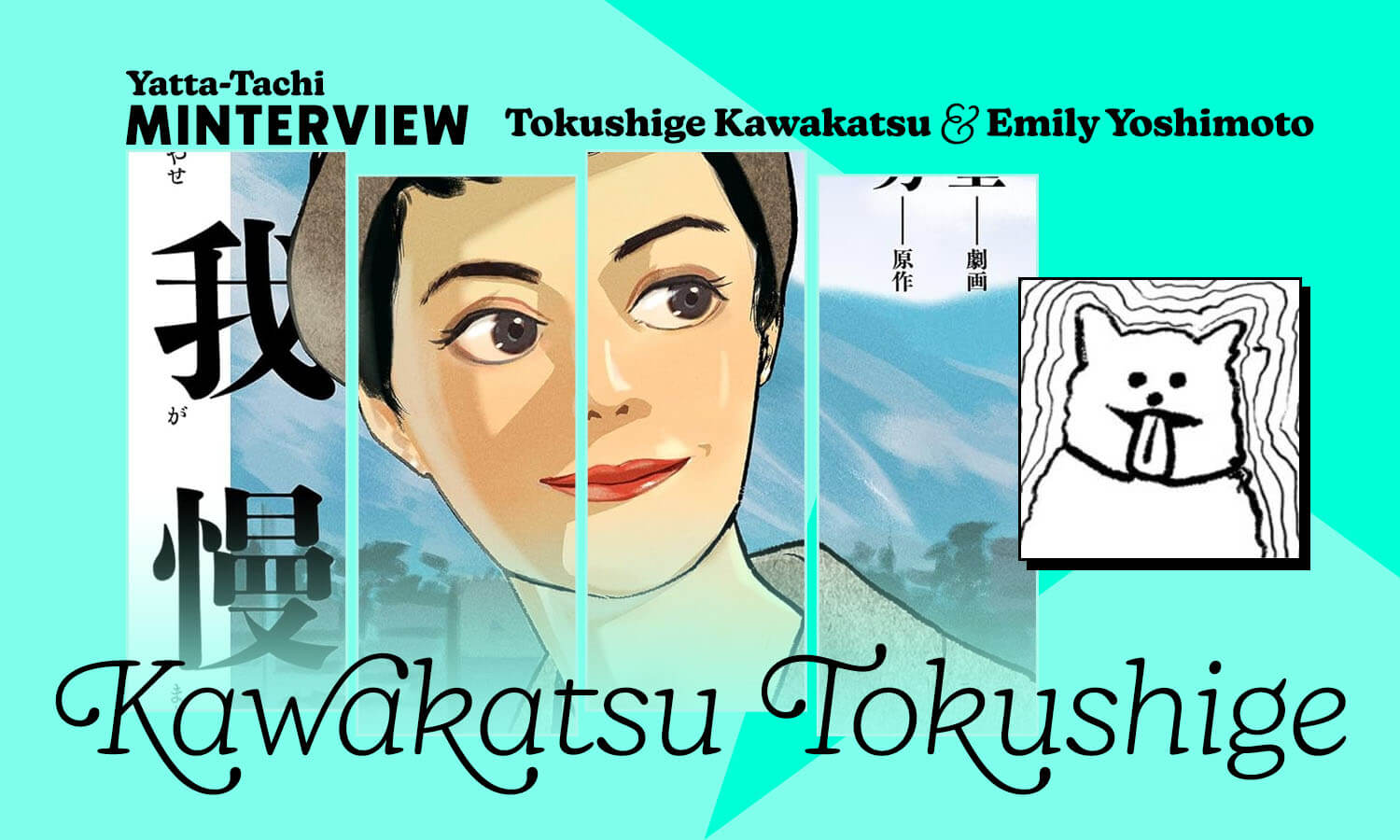
Manga’s greatest strength is its breadth. There is a series for every subject matter that you can imagine, and an artist for every taste. Despite this fact, only a narrow slice of the medium has broken through abroad. That’s where MINT (Manga International Network Team) comes in. Founded in 2024, this organization champions six artists (and five editors) that each offer something unique through their manga.
This is MINTERVIEW, a series of Yatta-Tachi interviews profiling manga artists and editors associated with MINT. This time we spoke with MINT-affiliated artist Tokushige Kawakatsu and editor Emily Yoshimoto. Kawakatsu is a manga artist and critic whose work has previously been published via LEED as well as Glacier Bay Books. His work bucks recent trends to capture the vitality of alternative manga classics. Yoshimoto is an editor, artist and curator; she also manages her father, the manga artist Baron Yoshimoto.
Tokushige Kawakatsu
“I actually tumbled off my chair”
ADAM WESCOTT: When did you start reading manga? When did you start drawing manga?
TOKUSHIGE KAWAKATSU: I think I was in kindergarten. The first two books I read were a manga adaptation of Ernest Thompson Seton’s The Biography of a Grizzly by Sanpei Shirato, and a four-panel comic strip featuring Mario and Yoshi. I remember finding it so funny that I actually tumbled off my chair—specifically at the part where Mario performs a ground-pound on a wooden stake, only for the pointed tip to stab him right in the butt.
WESCOTT: How did you make your debut as an artist? Did you work as an assistant, or did you start publishing your own comics right away?
KAWAKATSU: I originally debuted at Hakuto Shobo, an independent publishing company that was started by Shinzo Takano, who had been an editor for Tsuge Yoshiharu at the monthly manga magazine Garo. After that, I worked on Alas, Stardust by Sansuke Yamada and Look Back by Tatsuki Fujimoto as a background assistant.
“It’s these darker themes I really like”
WESCOTT: How does your work as a critic inform your comics practice, and vice-versa?
KAWAKATSU: I definitely think that when I write critiques, I try not to forget the things I’ve learned from drawing manga. On the other hand, though, I’ve never really had any difficulty forming a critique because, if you take the time to seriously read the manga, then it will come to you naturally, I think. However, drawing manga is a lot more complicated. I’ve never given a lot of thought to the relation between creating manga and critique, but I imagine they are both influenced by one another.
WESCOTT: While gekiga comics have only recently been published in the United States via Drawn & Quarterly and New York Review Comics, they have a long and storied history in Japan. What about this era of manga speaks to you in particular? Who are your favorite artists from that movement?
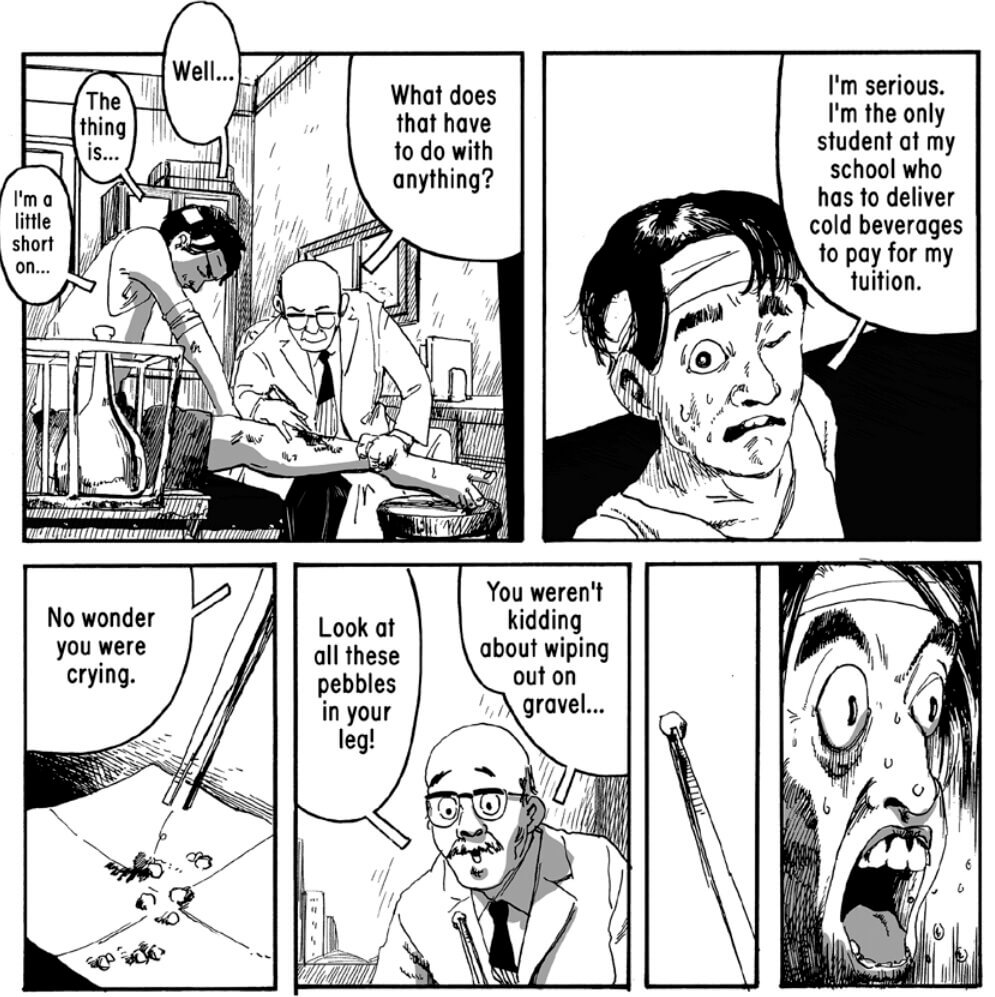
KAWAKATSU: Gekiga manga are largely associated with postwar themes, and it’s these darker themes that I really like. He’s not really considered part of the same gekiga movement, but my favorite artist would be Shigeru Mizuki, who was active around the same time. I know for a while he also referred to his own work as gekiga. They might be considered a bit much, but I’ve always been drawn to Ryuji Minami’s work. There’s also Sanpei Shirato who’s also quite wonderful. Without him, Garo would’ve never come to be and I’d have never read Seton’s Wild Animals or drawn gekiga (laughs). If you’re into the stuff that Ryan Holmberg translates, then that’s pretty close.
“Recent manga…has become too elitist”
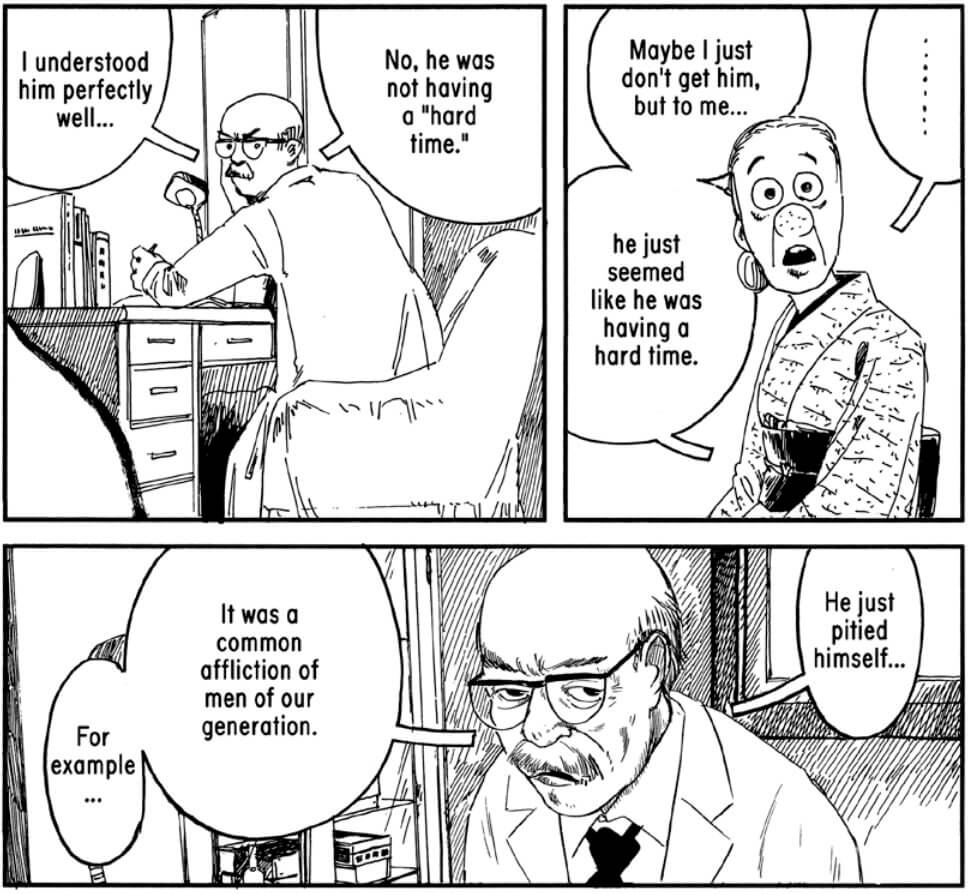
WESCOTT: Your artist profile reads that you’re particularly interested at the moment in Bob Fujitani, who worked on 1940s comics strips like Flash Gordon. What led you to discover him? Does he offer something unique as a working artist outside of Japan’s “manga industry?”
KAWAKATSU: If I had to pick something I was interested in about American comics, I’d say Bob Fujitani, but generally my interests lean toward Japanese works. It’s not like I spend a lot of time looking them up or collecting their stuff, but Bob’s art is pretty nice. He drew the first four issues of Doctor Solar, Man of the Atom, and I have to say they’re not very American comic-like. It’s almost as if they’ve got a bit of a European feel to them or something. Comparing them to other artists at the time, they’re a bit more stylish. That really spoke to me. I also really like the covers.
WESCOTT: What do you think are the unique strengths of manga compared to film or prose?
KAWAKATSU: Well, compared to film, the fact that manga can be created by one person would be a major difference. While I enjoy all three, I’d have to say that manga, with the lowest social ranking of the three, is the one that reflects the voice of the average Japanese population best. However, recent manga is no good, it’s become too elitist (laughs). Though, compared to novels and film, I’d say they’re making strides and working really hard.
Weird and Unusual Animals
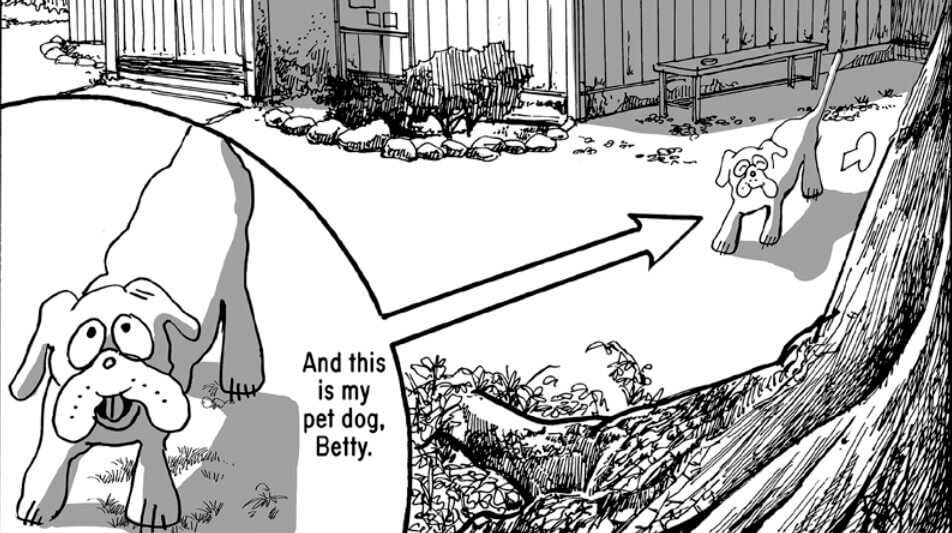
WESCOTT: Grin and Bear It has very good and varied animal drawings. How do you find the right balance between realism and stylization when drawing them?
KAWAKATSU: I never really gave it a lot of thought. Though, I do like the weird and unusual animals that I would sometimes see in manga and anime. There’s a comic artist from England named George Ernest Studdy and he made a comic called Bonzo, which I started to seriously read after serialization of my series. If I had read it before, I think the design for Betty might’ve turned out better than it did. In any case, illustrations without any kind of movement or dynamic poses are pretty boring.
WESCOTT: What do you like most about drawing manga? What do you like least?
KAWAKATSU: I like the production phase and refining the plot of a new story. The hardest part however is taking that refined idea and creating an actual script or outline. It often becomes less interesting than the original idea!
WESCOTT: Do you have any personal favorite tools or techniques that you use to draw manga?
KAWAKATSU: Not really, but I do use a Japanese nib pen.
WESCOTT: Do you have hobbies outside of drawing manga? If so, what are they?
KAWAKATSU: Right now, I’m pretty into shorts and reels. You know, the ones with funny cats or weird AI generated content? I feel like they’re more interesting than manga, no? They’re short and have sound, almost like early movies. Those weird Chinese funded shorts are pretty entertaining, even if they are all kind of similar lol.
Emily Yoshimoto
“I’m going to be the one that has to take care of this…”
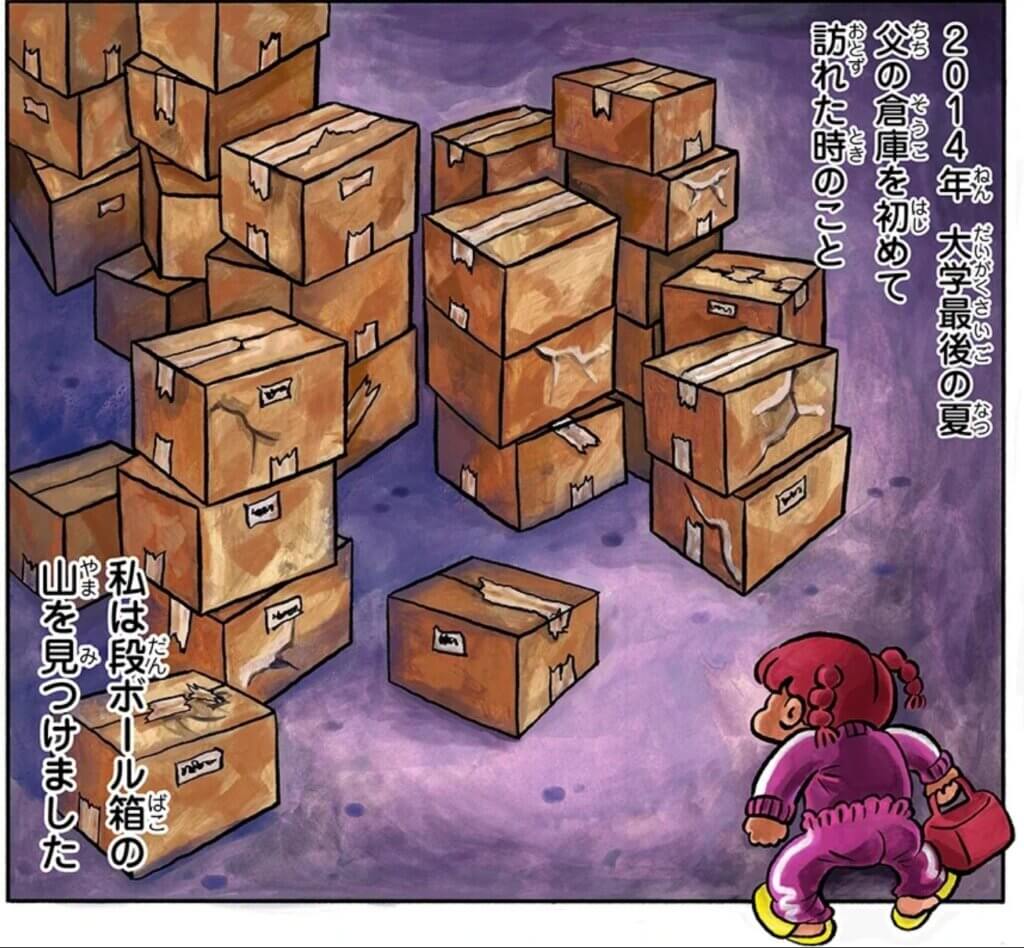
WESCOTT: How did you first become involved with manga preservation?
EMILY YOSHIMOTO: My father, Baron Yoshimoto, is a manga artist, so I think it started back in my fourth year of university when I visited his warehouse for the first time and saw the sheer amount of original manuscripts he had stored there. I remember looking through each page and just being overwhelmed by the intense strength and power I felt from each stroke of his pen, so much so that I was rooted to the spot. However, when I looked closer, I also started to notice signs of deterioration on those pages. They were such amazing works of art, but they were being ruined by stains and wrinkles that had built up over time.
In that moment I was overcome with a mix of conflicting feelings. Feelings of immense admiration but also deep turmoil that left me completely dumbfounded. Gradually, I came to my senses and took a moment to really look at the mountain of manuscripts before me.
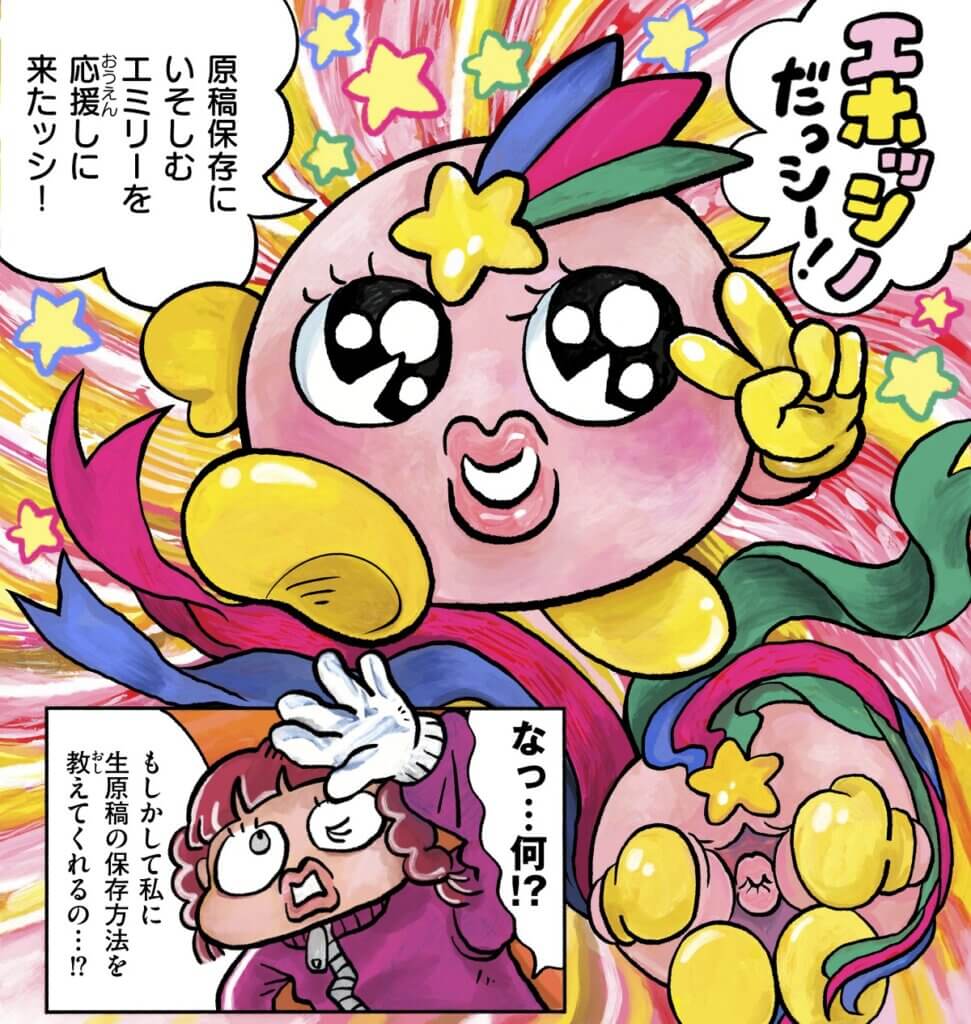
Everything started when I came to the conclusion of, “One day, I’m going to be the one that has to take care of this…” In the beginning, I really didn’t know anything about preservation, but I began managing my father’s work with the single-minded goal of finding someone who could help…and that’s how I got into manga preservation. Right now I have about 30,000 pages of my father’s manuscripts in my room.
Actually, I draw a manga called Living with Manga Manuscripts on HOBONICHI, a website that publishes essay manga. The first chapter of this manga details my experience, while chapters two through four talk about Mitsutoshi Furuya, Taro Minamoto, and Kazuo Kamimura. The manga takes a look at where they store their manuscripts and talks with their families about the difficulties of preserving them. It’s free to read, so if you’re interested, I highly recommend it.
“For me, it’s a bit more personal”
WESCOTT: What do you find most interesting about the “alternative” manga gekiga movement? Who are your favorite manga artists from that period?
YOSHIMOTO: For me, it’s a bit more personal. I’m not so much interested in the recent “movement” surrounding gekiga but instead see it as a way for me to understand why my father became a manga artist.
When my father was young, he became fascinated by gekiga and jumped head first into the world of manga. Before, I could never see what was so great about it all. But my dad has a bookshelf in his office with works by Hiroshi Hirata and Takao Saito that even to this day he cherishes greatly. When I picked up those volumes and began to read them, I was struck by the impressive quality of the drawing, as well as the dynamism, daring composition, and striking, realistic violence. I felt that I was able to experience a little bit of the same shock and admiration that my father must have felt back in the day.
About a year ago, when I went to Tokushige Kawakatsu’s office, I got the chance to see a real postwar rental book from the gekiga manga artist Masaaki Sato. He drew hardboiled crime manga. The lines of the art were rough and wild, and the characters were wildly out of proportion. Not to mention the perspective, which was all over the place. The story itself was dark and the pages had a smoky look, adding to the despair. If I have to be honest, it really wasn’t my cup of tea. But afterwards I went home and told my father about the book and he told me that that style was the standard back then. That really stuck with me. I guess because I hadn’t been expecting it I was shocked by that level of anguish and dark storytelling. For young people back then, this kind of manga must’ve been a new experience.
Capturing the Essence of the Era
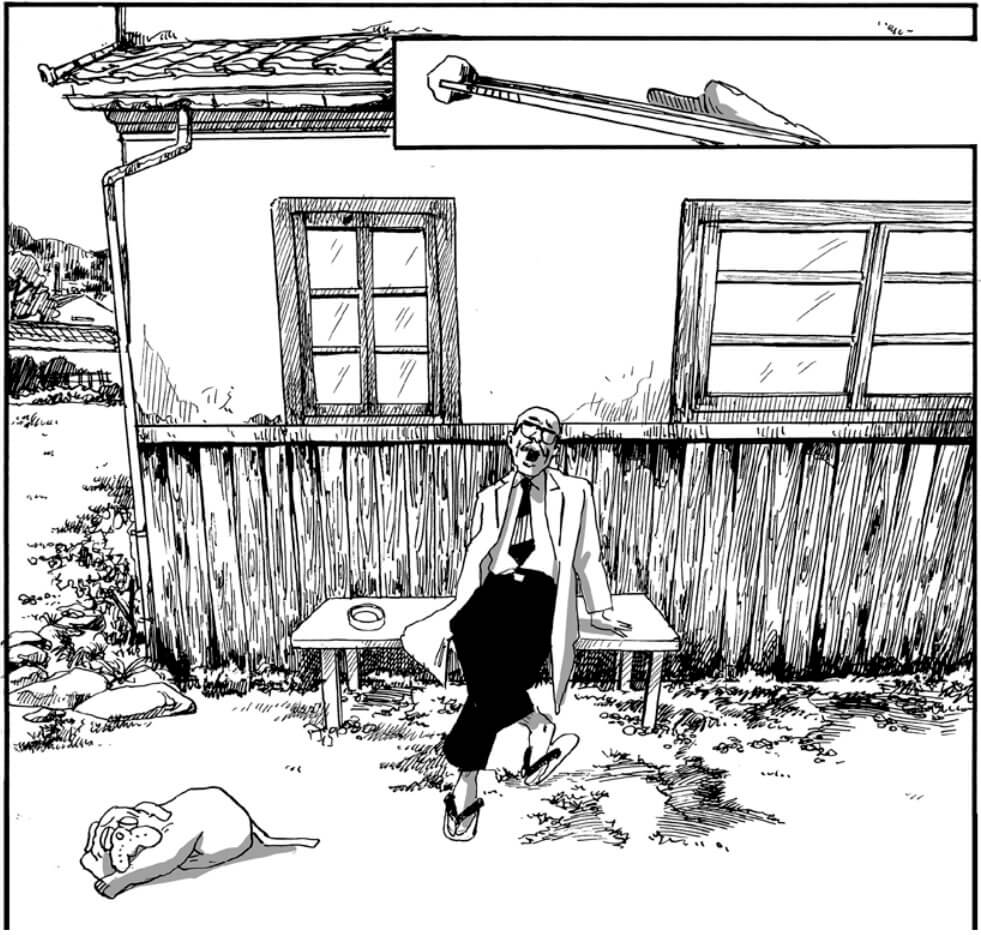
YOSHIMOTO: Gekiga is not about being perfect or displaying elevated art skills, but about capturing the essence of the era and the charm it possessed. For that reason, I find it fascinating. It’s hard for me to just pick one gekiga artist I like, but if I had to narrow it down, it would be a good friend of my father’s, like Kazuo Kamimura and Monkey Punch. I really like their art.
Recently, I’ve also really enjoyed the gekiga Katakoi Saburo (story by Kazuo Koike, illustrated by Tadashi Matsumori) and Jin Hirano’s Seishun no Shippo.
WESCOTT: When and how did you start working with Tokushige Kawakatsu?
YOSHIMOTO: Since Kawakatsu’s debut, Atsushi Nakagawa from Torch’s editorial department has been in charge of him. Then at the end of 2024, Nakagawa put in a request to have me join as editor, so now it’s the two of us working together as Kawakatsu’s editors. The first time I actually met Kawakatsu though was back in 2016. There was a talk show with my father and another manga artist, Sansuke Yamada. I had heard rumors at the time that Kawakatsu had been working for Yamadai as an assistant. I was 23 and Kawakatsu was 24.
I had been working at LEED Publishing since 2022, but after joining the company there were opportunities for me to participate in events where Sansuke Yamada was present which led me to run into Kawakatsu. I also remember him coming to my father’s exhibitions.
Even before I began working as an editor at LEED, I knew of Kawakatsu from the magazine Kaku and had even read some of his works. We’ve only recently started working together as artist and editor, but the truth is we have a connection that goes back about ten years.
Both a Critic and an Artist
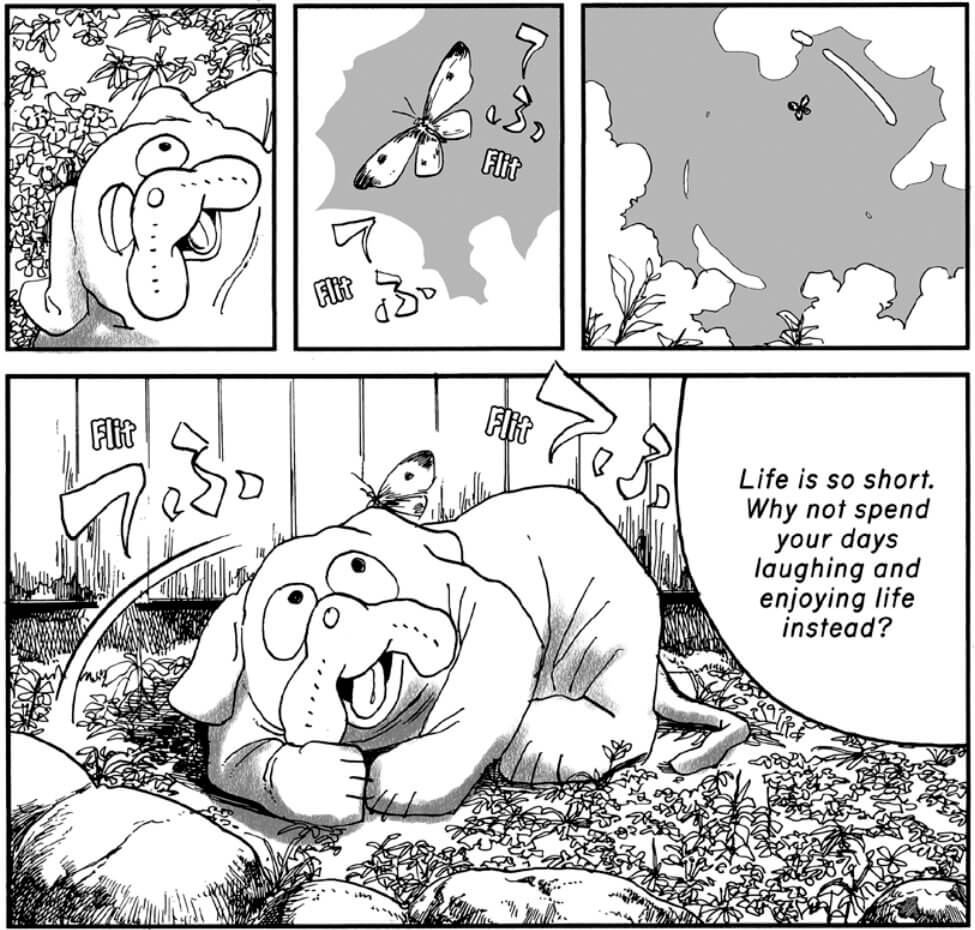
WESCOTT: What do you think is Tokushige Kawakatsu’s greatest strength as an artist?
YOSHIMOTO: I think one of Kawakatsu’s greatest strengths is that he’s both a critic and an artist. Not only does he read a vast number of manga, but he also watches and has knowledge of a wide range of movies. He’s able to take that knowledge and break it down, to really understand it, so that when it comes time for him to produce something new, he’s not just regurgitating ideas, but fine-tuning themes to fit his needs. The skills for reading, thinking, and drawing aren’t separate skills for him, but come together as one unit. I believe this is why his work attracts interest from so many readers.
WESCOTT: Where does Grin and Bear It fit within Tokushige Kawakatsu’s larger body of work?
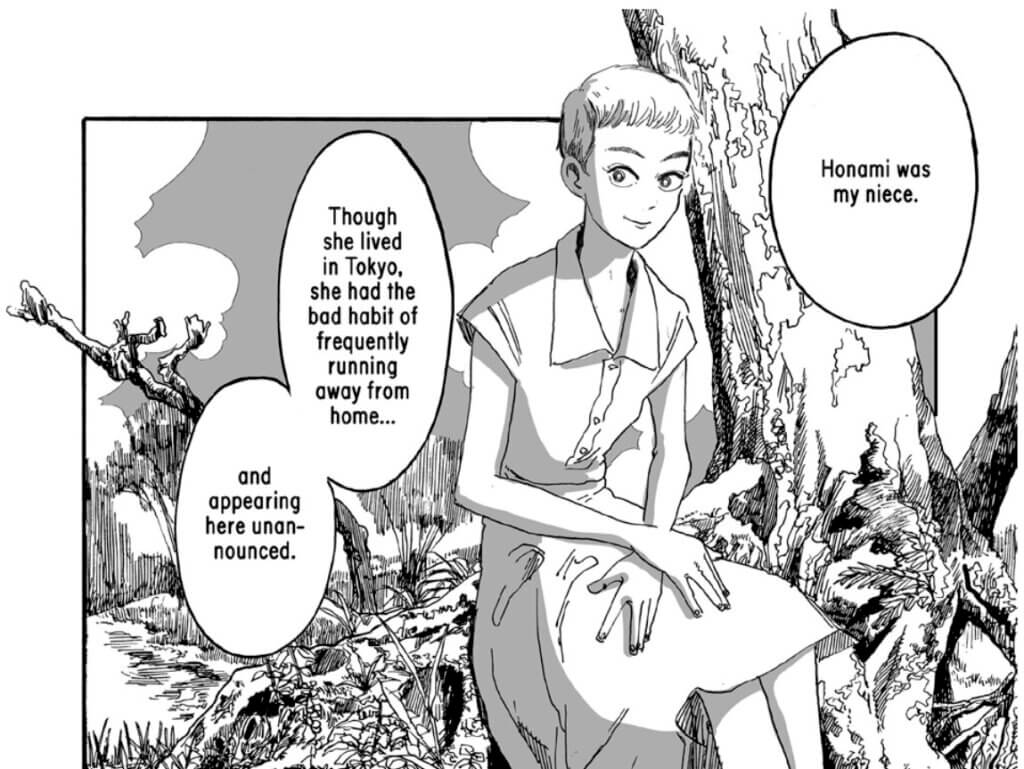
YOSHIMOTO: When I first read Kawakatsu’s works, his experience and interests up until that point were very easy to see. He has collected and studied a lot of vintage manga, worked as a critic, and has even been an editor himself. What’s more, he has been adapting works of Japanese literature, such as those by Shizuo Fujieda and Haruo Umezaki, into manga for a long time.
In Grin and Bear It, his interest in literature and extensive knowledge of manga history seamlessly meld together in this singular work. For example, when adapting Shizuo Fujieda’s novel into a manga, he referenced everything from the narrative styles seen in the magazine Garo, to the pre-war and postwar art styles, and reconstructed them in his own original style. In doing so, he not only depicted the story and characters’ emotions, but meticulously recreated the customs and town life of 1950s Japan.
A Generational Divide
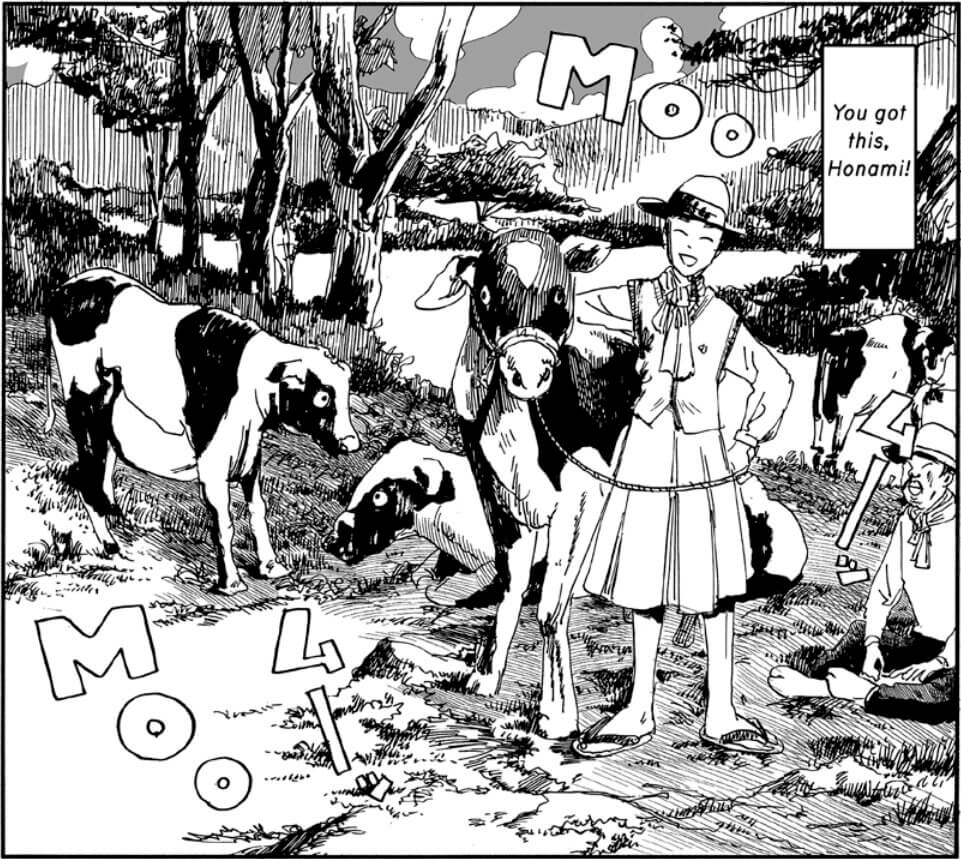
YOSHIMOTO: What I find fascinating about this work is his attempt to draw a divide between the generation still living under the shadow of the pre-war era, and the younger generation that embraces new postwar values. It’s not just expressed through the storytelling, but also through the very style of the manga.
Since Kawakatsu is still a young artist, it would be hasty of me to say this work is the pinnacle of his career. I do view it as a major milestone for where he is now. It’s a work where his practical experience as a manga artist and his perspective as a critic plumbing the depths of manga history have come together beautifully.
After the publication of Grin and Bear It, the serialized work Yufuin Kiko (original story by Moegara) was published by Kodansha in 2025. This work is also filled with experimental expressions and is a stimulating manga that explores the medium’s possibilities while differing from his previous approach. Kawakatsu consistently engages with the past while taking on new challenges.
I think the reason why his works captivate us is because he is fully committed to understanding the expressions of manga masters whose names are etched in the annals of manga history. While this level of commitment is inimitable and extremely demanding, I look forward to seeing what kind of work he creates in the future!
Thank you to MINT for this opportunity! You can find out more about MINT, including a sample catalog of manga chapters drawn by the organization’s representative authors, at its official website.
Big thank you to our supporters
From their continous support, we are able to pay our team for their time and hard work on the site.
We have a Thank-You page dedicated to those who help us continue the work that we’ve been doing.
See our thank you page