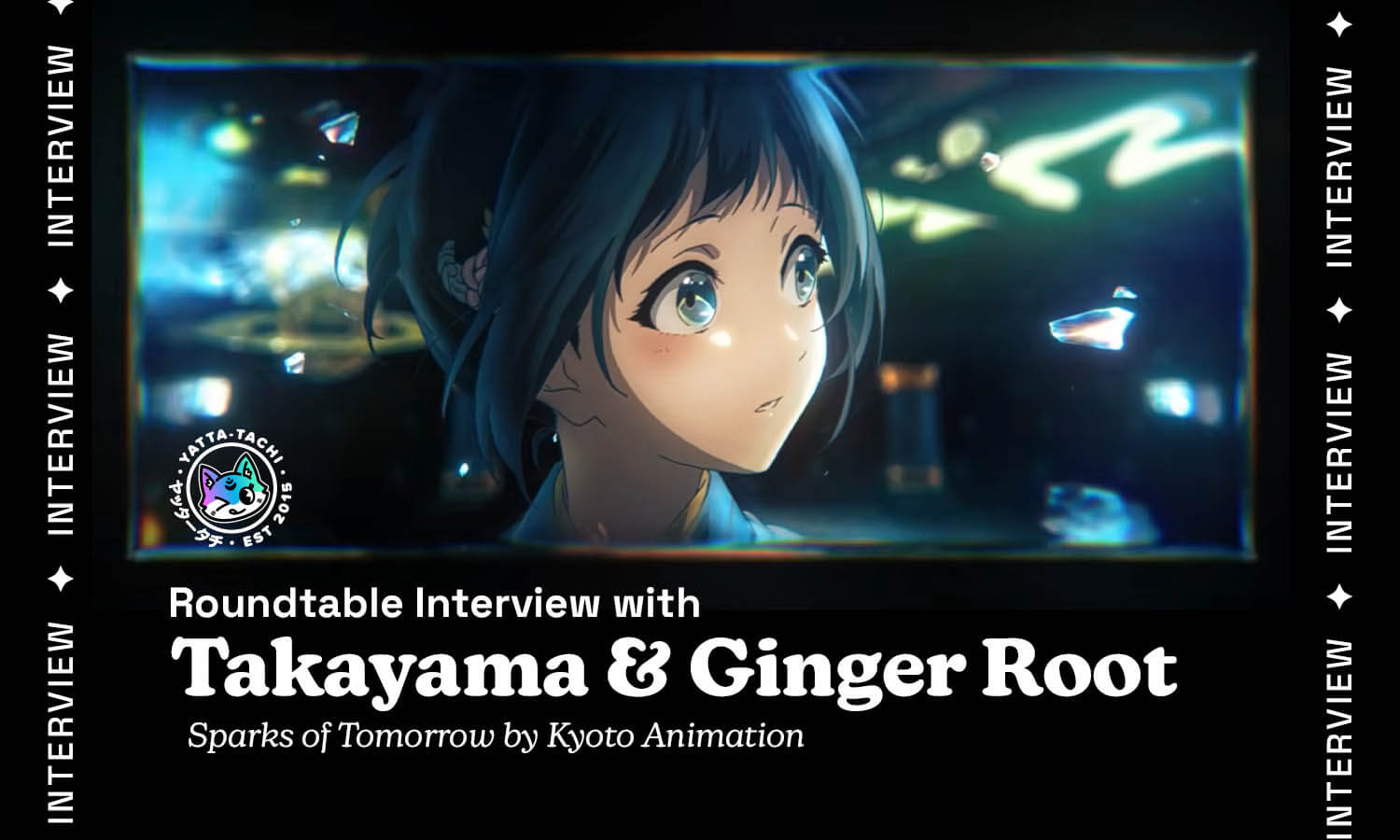
Sparks of Tomorrow by Kyoto Animation is one of the most eccentric anime series airing right now. Taking place in a bold reimagining of old Kyoto as a steampunk metropolis, the series follows young inventor Kihachi and his friend Inako as they recreate inventions from the mysterious Electrical Catalog. In the process, they invent electric light bulbs, test their friends for romantic feelings, and accidentally invent heavy metal music, all while clashing with Inako’s arranged fiancé Yosuke—a wealthy man who has unresolved business with Kihachi’s missing brother Seiroku.
This year, Anime NYC hosted two key talents behind the Sparks of Tomorrow series. Mao Takayama, the show’s art director, was responsible for crafting a retro yet strangely unfamiliar Kyoto resembling an oil painting. Ginger Root, who created the show’s ending theme “Soarin’,” is a popular musician who loves Kyoto Animation so much that he has previously cosplayed as a character from Sound! Euphonium. As part of a roundtable discussion, Yatta-Tachi had the chance to ask the two of them about their creative backgrounds, techniques, and their thoughts on working with such a historic studio.
A Misty, Foggy Atmosphere
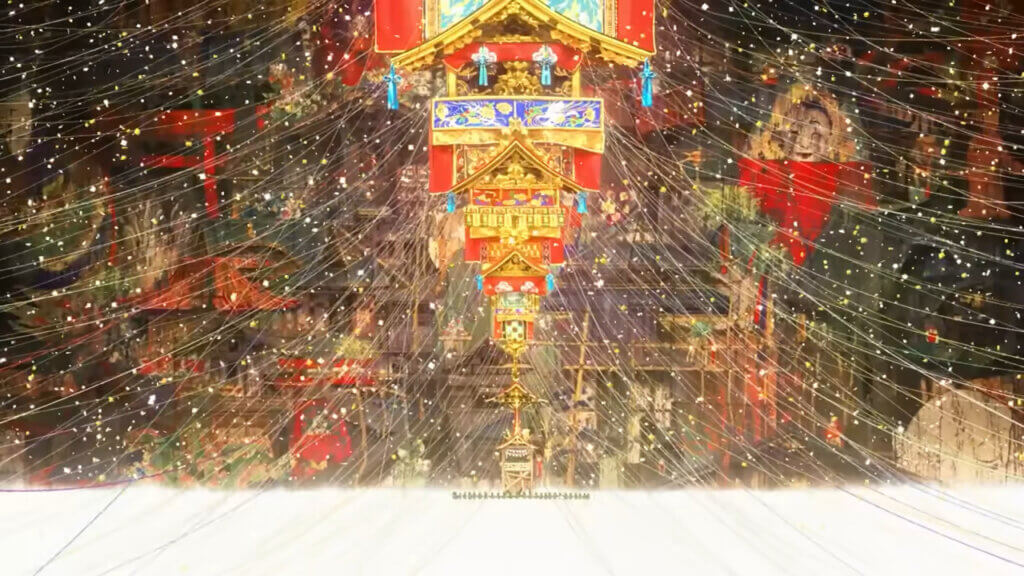
NATURAL ARISTOCRAT: Takayama-san, in your view, which scene best represents the visual style of the series? What part of the world required the most research visually?
MAO TAKAYAMA: The scene that characterizes the work the most is the one where they show the cityscape. The old-fashioned buildings and pipes that are strung through the city, and the ground with its dampness, shows the misty, foggy atmosphere of the series.
ADULT SWIM CENTRAL/TOONAMI FAITHFUL: Takayama-san, the background art is unusual for an anime. Could you talk about how you and the team created the show’s art style?
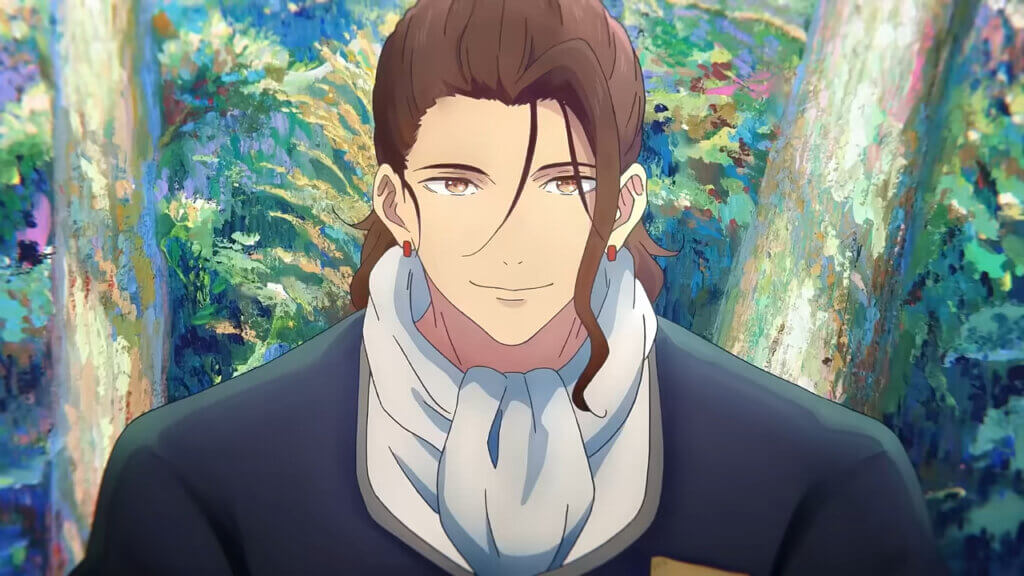
TAKAYAMA: When we were working on the background art, we focused on making it as close as possible to oil paintings, focusing on the brush strokes. Obviously it’s not done by an individual, but by a team. Whenever art was finished, they would communicate whether it was okay, or if parts could be done better, to create this oil painting style.
“I was given a painting”
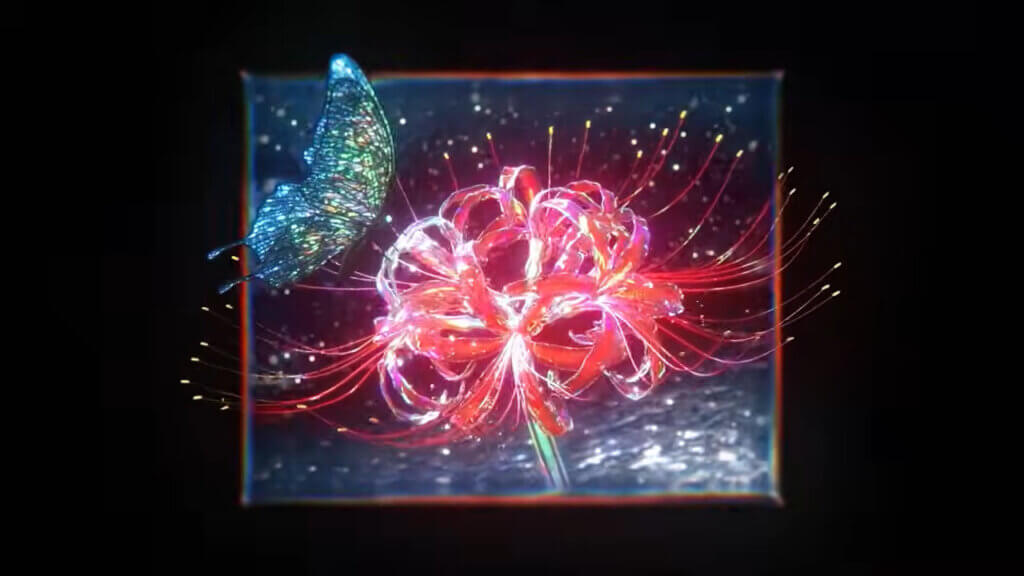
DR. ANIME: Sparks of Tomorrow brings together a distinct visual identity with a unique musical soundscape. When constructing the ending sequence and the overall atmosphere of the anime, in what way do the art and music complement and connect with each other?
GINGER ROOT: I wrote the song without seeing any visuals of the ending animation. I was given a painting by the director as well as a piece of writing about what he wanted. I purposefully wrote things in the song that could complement opportunities for the animation to do something special, like the drum breaks or interludes in the chorus. I was excited to see the finished result, and think it matches very well, though I wish there was animation for the whole song.
Since the ending sequence was in the works while I wrote it, they animated based on what I wrote, which was very special for me.
TAKAYAMA: Most of the ending’s art was done in 3D. There were only three cuts of actual background art, so not too much physical work on our side. But we were able to listen to the song before we started working on it, and thought it matched the eerie atmosphere of the series. I’m not sure what kind of instrument was being used, but it sounded like a pipe organ, which matched the atmosphere of the work.
Focusing on the Brush Strokes
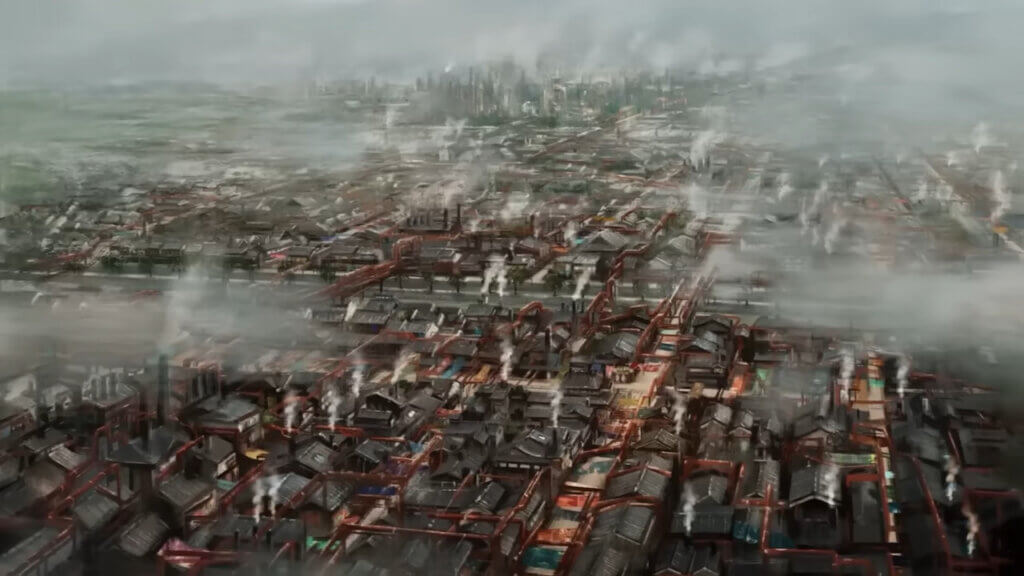
IN ASIAN SPACES: Takayama-san, the background art for Sparks of Tomorrow captures the atmospheric transition of 1906 Kyoto beautifully, particularly the contrast between traditional wood structure townhouses and the emerging glow of electrical innovation. How did the production team balance historical Meiji era accuracy with Kyoto Animation’s distinct visual style?
TAKAYAMA: We wanted to focus on the brush strokes when drawing the background art. We took inspiration from impressionism and blurred the lines to make them vague. When it came to depicting the cityscape of Kyoto, because it’s a world that not many viewers are familiar with, we wanted to make sure its lines were very clear. It’s the same for characters we wanted to feature. We focused on each cut to make sure that balance was well made.
ANIME CORNER: Takayama-san, to what extent did you make use of historical reference material when creating the physical world of the series? What are some real life elements you kept in, and where did you intentionally deviate from the real world?
TAKAYAMA: The director asked that we not make any unnecessary edits to the city of Kyoto. We tried to be true to the locale and how the buildings were structured. The parts that we did change were the steampunk aspects, like the pipes throughout the city, or the steam clouds.
If you look closely, you’ll notice a lot of cloth strung over the pipes to obscure the skyline. That is historically accurate, where clotheslines were put out with clothes hung on them. We replaced them with pipes. Because the skyline is obscure within the world anyway, we decided to put more cloth over the pipelines.
“We can just draw”
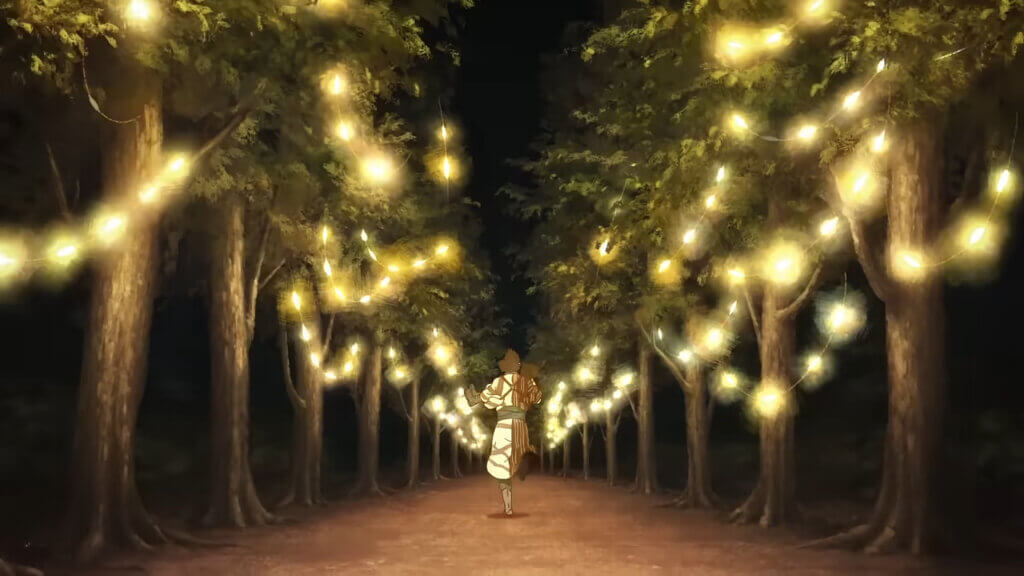
ANIME TRENDING: Takayama-san, many animation studios don’t have an in-house background art department like Kyoto Animation, and have to rely on external special studios. From your experience, how does the in-house aspect of Kyoto Animation’s background team contribute to the studio’s culture and expertise?
TAKAYAMA: The biggest advantage of having an in-house team is the communication aspect. Sometimes it’s very hard to put into words what the director wants. In our case we can just draw, which makes it easy for us to relay what we want to each other. Especially in this work, the atmosphere is distinct. That kind of work could only be done with a studio like Kyoto Animation.
YATTA-TACHI: Ginger Root, for your past work, you found creative ways to create music, like performing using an old rotary phone as a microphone and filming on tape recorders. What is your favorite “unconventional instrument,” and did you make use of one while recording “Soarin’?”
GINGER ROOT: I made “Soarin'” in a bedroom, I didn’t rent any studio time for it. So it has that lo-fi sheen that my other songs have. I recorded some of the vocals on the telephone you talked about.
The thing with writing for TV and anime is my anxiousness with having to change things all the time. When I worked with NHK this year, I used that as a learning experience to not actually record real sounds, instead of using soft synthesizers or VSTs. It was a good exercise with my other songs recording things with actual microphones, instead of with this song in particular recording things directly that were easily editable in case I had to make changes.
There are two versions of the song, the short version and the long version. I made the short version, got the OK, and then had to figure out how to recreate the sounds I made for the short version for the long version. Thankfully I didn’t have to duplicate anything after the first draft, so I worried for nothing.
Lady Gaga and “Get Wild”
ADULT SWIM CENTRAL/TOONAMI FAITHFUL: Ginger Root, what conversations or discussions led to this song becoming the ending theme?
GINGER ROOT: I got a proposal to do it. I thought it was fake. I was really excited; I’m a big anime fan. So I took it. One story I will tell is that I had one meeting with the whole team, including the director, Oda-san. We bonded over the fact he really likes Lady Gaga. Don’t know why. I think that subconsciously influenced “Soarin’.” Not that I’m saying it sounds like any Lady Gaga song to begin with.
Oda-san also told me that to differentiate “Soarin'” from the opening theme, he didn’t want any Eastern-sounding instruments. The opening is this traditional, adventurous song that feels stuck in the Meiji era. He wanted the ending theme to sound electronic. What future might the Electrical Catalog offer? We went back and forth on that.
DR. ANIME: This question’s for both of you. The ending of an anime episode is crucial because it dictates the emotional aftertaste the audience is left with for an entire week. What is the exact feeling or lingering thought you want the viewers to walk away with?
GINGER ROOT: That’s a good question. On the music side, they gave me a reference to City Hunter‘s ending theme, “Get Wild.” The theme song would start while the ending scene was going. Then the beat drops. They wanted me to create that same essence. The adventure isn’t solved, there are so many mysteries left in the Electrical Catalog. A cloudy essence just like how the town is shrouded in steam and smoke. But there’s a lyric in the song that reads, “together, we can go past the stars, and get out of that steam.” That’s something I wanted to portray, with the characters flying off the screen, “soarin'” into the sky.
TAKAYAMA: I agree with Ginger Root. I want the viewers to think back about what happened in the episode and what will happen in the future.
Trying on a New Set of Clothes
IN ASIAN SPACES: Ginger Root, your music draws inspiration from Japanese city pop, Showa era television aesthetics, and vintage analog synth textures. When composing “Soarin'” for Sparks of Tomorrow, how did you approach matching your signature retro soundscape to the show’s early 1900s Meiji era setting and the sense of wonder surrounding Kihachi and Inako?
GINGER ROOT: I do like vintage Japanese culture, but not that vintage. It was a great opportunity to stretch my palette and deviate from the things I normally do. When talking to the team, I asked, “Would you like me to write an anime song I think would sound like an anime song, or would you like a Ginger Root song?” They said, “While we would like a Ginger Root song 110%, we probably can’t?” So in my own head I decided, “Let’s do a 70% Ginger Root song and a 30% anime song.” What would that sound like?
It was a great exercise to put on a new hat, try on a new set of clothes. I think they fit really well. Taking everything I was given into consideration, Sparks of Tomorrow is a girl meets boy story. The song starts off with a single instrument because you start off alone. As you try and achieve what you want, you need help along the way, and the song gets bigger. There’s a whole choir that sings the chorus. It was a good challenge, and I’d like to do it again.
“Everybody wants something”
ANIME CORNER: Ginger Root, you commented on your creation of the ending theme and that you were thinking about themes and emotions. From the early parts of the series, which characters in specific were top of mind to you, and what themes of the series struck you as best belonging to a song?
GINGER ROOT: In terms of themes, I think it was a sense of wonder that the Electrical Catalog has. Something that’s so familiar, but also unfamiliar. For the song, I chose chords to evoke a feeling that we’re not at home yet, we’re not done yet.
In terms of the characters, I think that everybody wants something. Whether it’s to avenge their brother, to aspire like their mother, or to get what they want. Some people try and do it alone and fail. Some people try to do it together and succeed. That was the core essence of what I took from the theme, the character, the scripts, as well as what the team told me to implement into the ending theme.
ANIME TRENDING: Takayama-san, what’s the best piece of advice regarding creating background art that you’ve acquired?
TAKAYAMA: Something that I learned from my previous work, and the people I’ve worked with before, is to always think when I’m drawing. When you are creating background art, you always want to make sure that you are bringing out the characters in the foreground, or that you are controlling where the viewers are looking.
“It’s so difficult!”
YATTA-TACHI: Takayama-san, how and when did you first start drawing? What other artists would you say influenced you in your creative development?
TAKAYAMA: I’ve been drawing since I was 5 years old. What made me want to become a background artist is that when I was about 14 years old, I went to an art exhibit for Nizo Yamamoto, an art director for works like Castle in the Sky and Princess Mononoke. When I saw his art exhibit, it made me want to become a background artist. A lot of my inspiration comes from his works.
NATURAL ARISTOCRAT: Takayama-san, what’s the biggest change for you in moving from creating background art in 2020’s Violet Evergarden: The Movie, to the role of art director in Sparks of Tomorrow?
TAKAYAMA: Back when I was working on Violet Evergarden, it was just my second year or so in the industry. There were many times when I would receive edits from my superiors, so I would do my best to fix those mistakes. Now that I’m an art director, I’m the one editing the work of people who are working for me. I think that I’ve been able to implement a lot of what I learned as an artist in my role as art director.
ADULT SWIM CENTRAL/TOONAMI FAITHFUL: Takayama-san, how does it feel art directing an anime for the first time?
TAKAYAMA: It’s so difficult! As an art director, not only do I have to work on actually drawing the pieces, but I have to communicate. The aspects of your job that are not just drawing become more important.
A Very Arduous Process
DR. ANIME: Takayama-san, color palettes are incredibly important for setting the psychological tone of the series. For Sparks of Tomorrow, did you establish a specific set of color rules or lighting techniques to separate the moments of intense drama from the lighter or more intimate scenes of everyday life?
TAKAYAMA: Whether it’s a serious or more relaxed scene, we kept the general colors the same. The main difference was the brush strokes. For the dramatic scenes, we used stronger brushstrokes, while for the relaxed scenes, we used softer touches.
IN ASIAN SPACES: Takayama-san, from Kihachi’s inventive wingsuits to the atmosphere of smoke and electric lanterns in the city, the series features many memorable visual beats. Are there any scenes from the first three episodes of the series that the staff found particularly rewarding or challenging to bring to life?
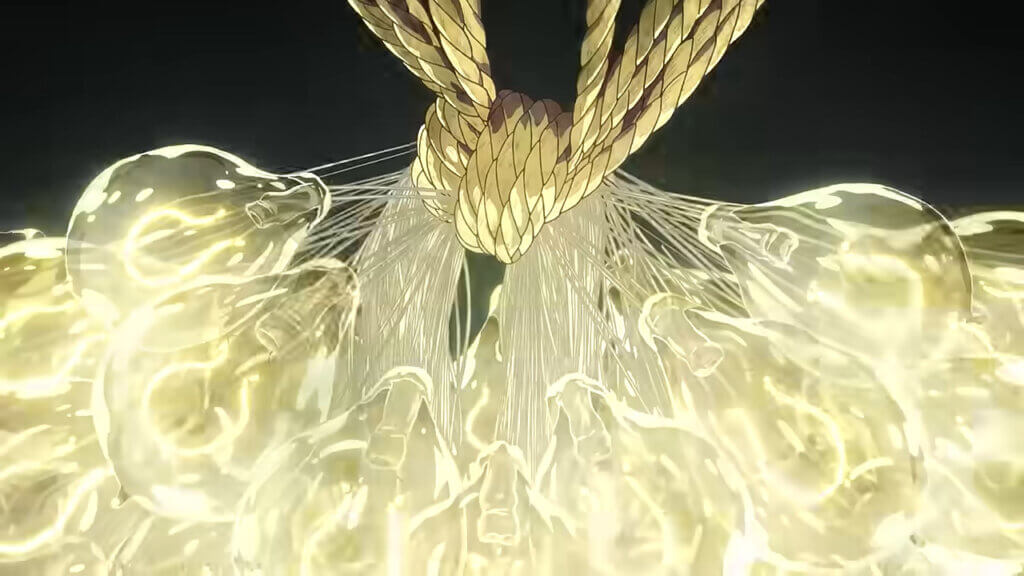
TAKAYAMA: In the scene where Kihachi is thinking about the futuristic city, the people moving around are very realistic. The background team had to draw them in, so we had to separate the moving parts from the background. It was a very arduous process.
“Creative burnout is hard”
ANIME CORNER: Ginger Root, to what extent did the fact you were working on a song for Sparks of Tomorrow affect your usual choices around structure, instrumentation, and your usual process for your music?
GINGER ROOT: As I said in a previous answer, the director wanted more electronic sounds. Finding a balance between a synth sound I would like and something that would fit the story was a fun challenge. Since I had to make the 80-second version first, because they needed that to animate, going back to extend the song from there was something I have never done before. When I’m writing songs just for Ginger Root, I write from the start to the finish. This time I had to hit a checkpoint, get it approved, and then move on.
Since I didn’t save the guitar sounds, I had to match by ear how much distortion I had in the first half. That was an interesting challenge I would like to never do again.
ANIME TRENDING: Ginger Root, both your creative development, such as music and video, and the story of Sparks of Tomorrow explore themes of creative passion and perseverance. Have you ever felt burned out or put in a creative block? How do you keep up your motivation and maintain momentum when juggling different roles?
GINGER ROOT: I was burnt out last year, definitely. I had to remember, and I’m still trying to remember, why I started doing music in the first place. It was for fun, and because I enjoyed doing it. I never thought I’d get this far doing music. I never thought I’d be sitting in a room at an anime convention talking about my song. But I’m excited that I have the opportunity to do that. I’m trying to be more mindful of taking a step back and being thankful for what I’m able to do with all these music opportunities.
In terms of creative block, just going for a walk does wonders. I also used to do the thing where if I couldn’t finish the song in one night, it would be a bad song. I’ve started to be more lenient, to take a step back and return a day later with a fresh perspective. Now I’ll make something, think it sounds like garbage, then listen to it the next morning and think, “This is not bad.”
Creative burnout is hard. But if you remember why you started doing something in the first place, it’ll come back when it’s ready.
“I love Kyoto Animation”
YATTA-TACHI: Ginger Root, what does your past experience with Kyoto Animation’s works look like, and do you have specific feelings about being able to collaborate with the studio?
GINGER ROOT: I love Kyoto Animation! I don’t know if I’m allowed to say all the other shows I like, but: K-ON!, Nichijou, Violet Evergarden. I watched Violet Evergarden with my mom. She cried. It’s great. One thing I’ll say is, and I said this at Anime Expo in LA, that I was learning Japanese during Covid. The first book I was able to read was Sound! Euphonium. I read that book, realized that Kyoto Animation made that, and I watched it. Now I’m working with the studio that made that work.
I’d love to do something with them again. An opening theme would be awesome. Just as a fan, it’s really cool. Who knows… if I get better at drawing, or maybe take a lesson from Takayama-senpai, I could make my own anime one day.
Big thank you to our supporters
From their continous support, we are able to pay our team for their time and hard work on the site.
We have a Thank-You page dedicated to those who help us continue the work that we’ve been doing.
See our thank you page