Fantagraphics is a comics publisher that has been putting out independent work since 1976. They work with some of the most beloved artists in the United States comics scene, including Jaime and Gilbert Hernandez (Love and Rockets), as well as Daniel Clowes (Ghost World). They also publish international artists like Tardi (It Was the War of the Trenches) and Jason (I Killed Adolf Hitler).
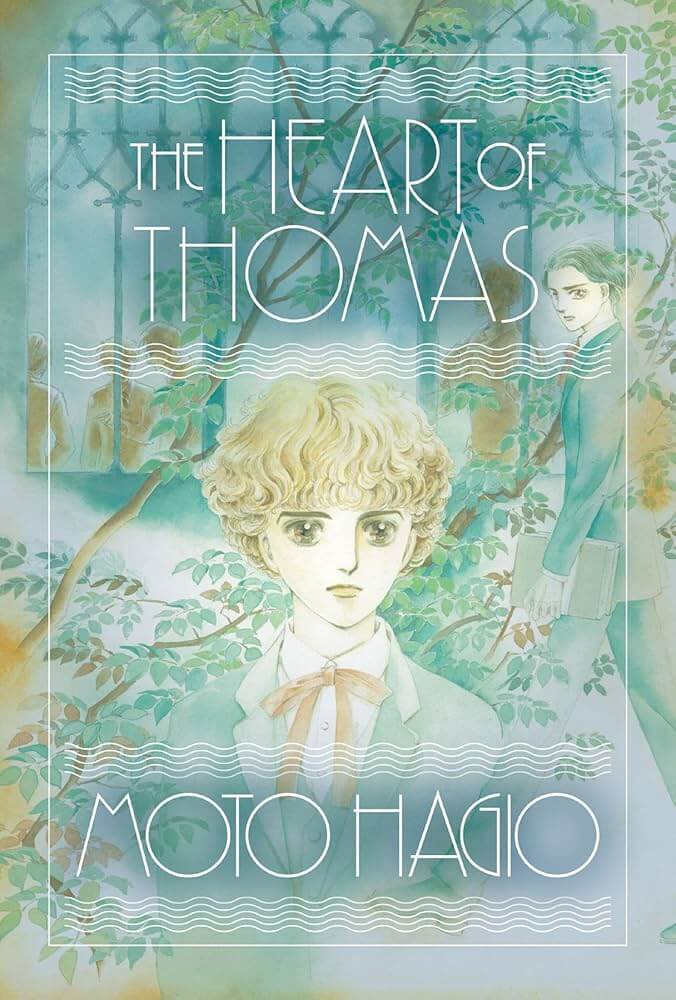
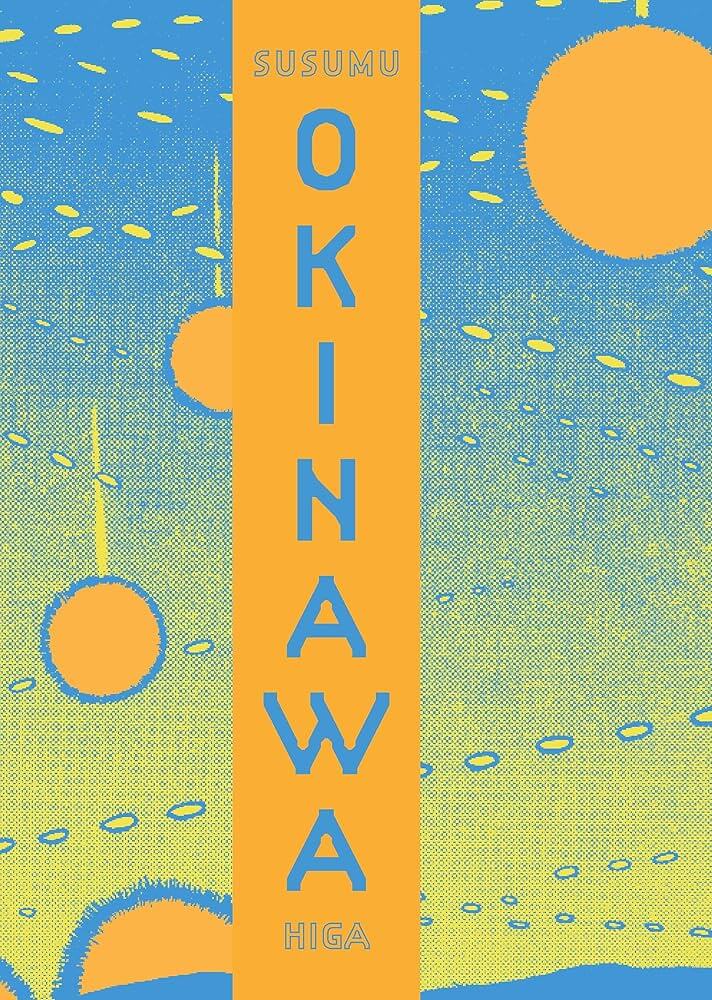
Among these international artists are Japanese manga authors. Fantagraphics is responsible for publishing the work of 70s shojo manga master Moto Hagio in English. Their news publication, The Comics Journal, frequently puts out translated essays by manga scholars such as Natsume Fusanosuke and Kaoru Kimi. More recently they’ve teamed up with Mangasplaining Extra to put out award-winning books like Susumu Higa’s Okinawa.
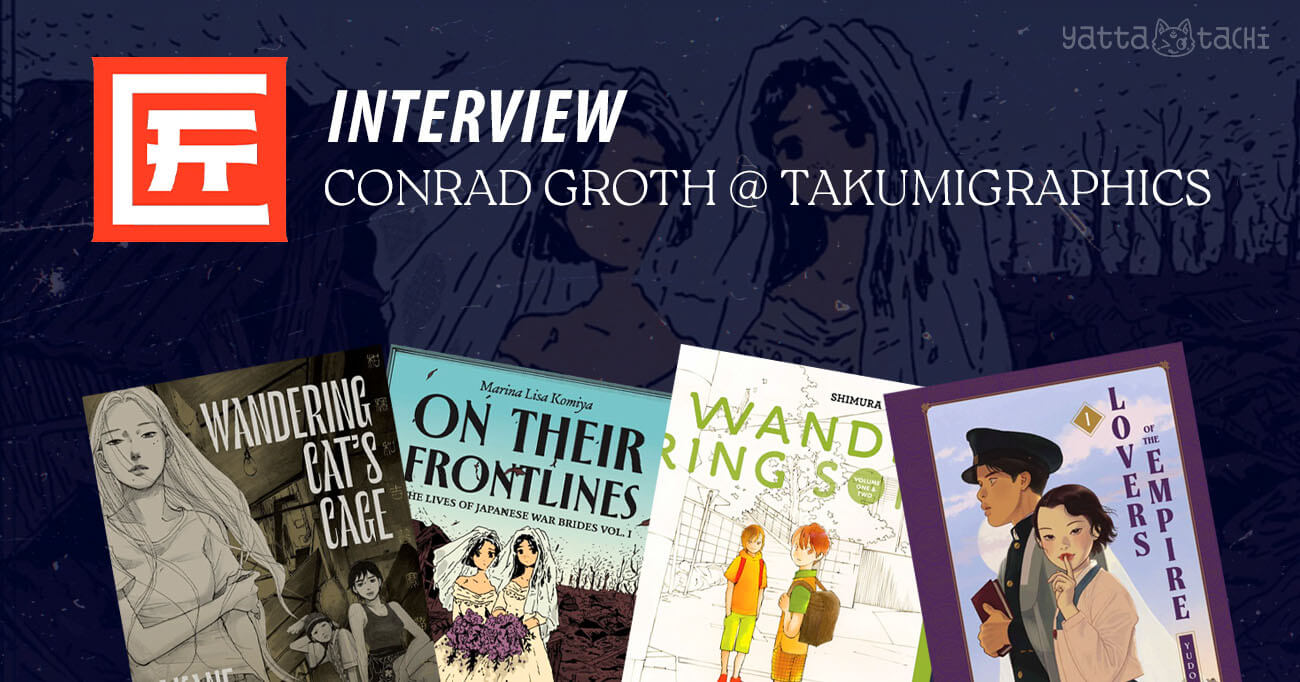
Late in October 2025, Fantagraphics announced that they were launching a new imprint, Takumigraphics. This line will feature the re-release of Takako Shimamura’s beloved manga series Wandering Son. But Takumigraphics will not focus solely on manga. Its editors (Conrad and Gary Groth plus Eric Reynolds) intend to publish new work from other countries in Asia including Taiwan, South Korea, and the Philippines.
To learn more, I spoke with Conrad Groth about what his team hopes to achieve with Takumigraphics. This conversation, which has been edited for clarity and content, covers such topics as the excellence of Taiwanese comics, the question of literary merit, and why publishing work by classic artists is just as important to the line as finding new talent.
Happy anniversary
ADAM WESCOTT: When did Takumigraphics first become a subject of conversation at Fantagraphics?
CONRAD GROTH: Over the past couple of years, we’ve gotten more suggestions to publish manga and other comics from Asia than we’ve known what to do with. It’s not primarily what we’ve done. But in the last few months, with the 50th anniversary of Fantagraphics, we’ve realized that we should go where the readers are and make this a thing. There’s so much amazing material out there and so many curious people in our orbit. Only doing a couple of books a year didn’t seem like it was enough.
WESCOTT: Does this tie into your past work with Mangasplaining Extra, as well?
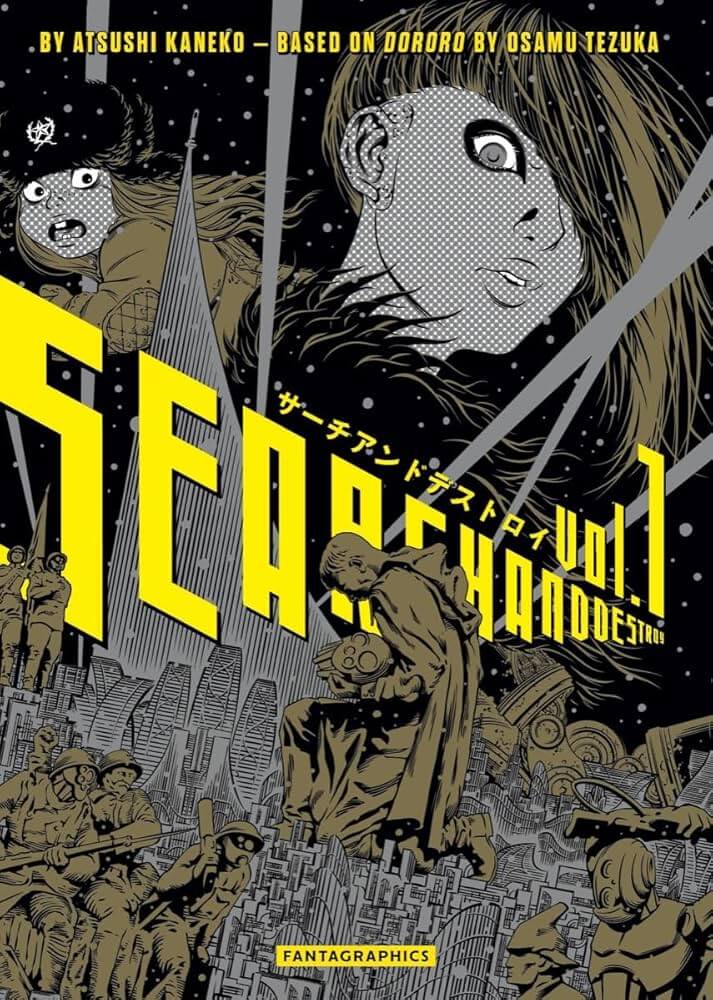
GROTH: They worked with my colleague Eric Reynolds on Okinawa and Search and Destroy. It’s a unique relationship that will only grow with Takumigraphics. Mangasplaining Extra suggests the books, but also does translations and lettering, as well. That really helps us, because the actual nuts and bolts work of translating from Japanese is the trickiest part of things.
We also want to expand Takumigraphics beyond just manga. We have a good connection with the Greyhawk Agency, which does great Taiwanese comics. There’s an academic historian named Mattias Daly who reached out a year or two ago with recommendations. It’s great to have people whose opinions you can trust to give you a breakdown.
Single issues and brief series
WESCOTT: What more can you tell us about Taiwanese comics?
GROTH: One thing they do well is color comics, which is less common in manga. There are beautiful watercolor ones, and others that pop with color. There are so many different genres and styles out there, too. I’ve been looking at sci-fi ones as well as more historical pieces.
WESCOTT: Do you see more single volume works from Taiwan versus manga?
GROTH: Yes, either single volumes or two-parters. Length is one of the challenges we’ve seen with manga. If you find a good series, suddenly there are 12 or 13 volumes. You don’t know if it’ll be sustainable until you get into it. Like with Atsushi Kaneko, we started with Search and Destroy, a nice little three volume test run to see if readers can sustain a longer series. People are following along; I haven’t seen a big sales drop-off so far. But it’s important to blend single issues and brief series before bringing in the longer ones.
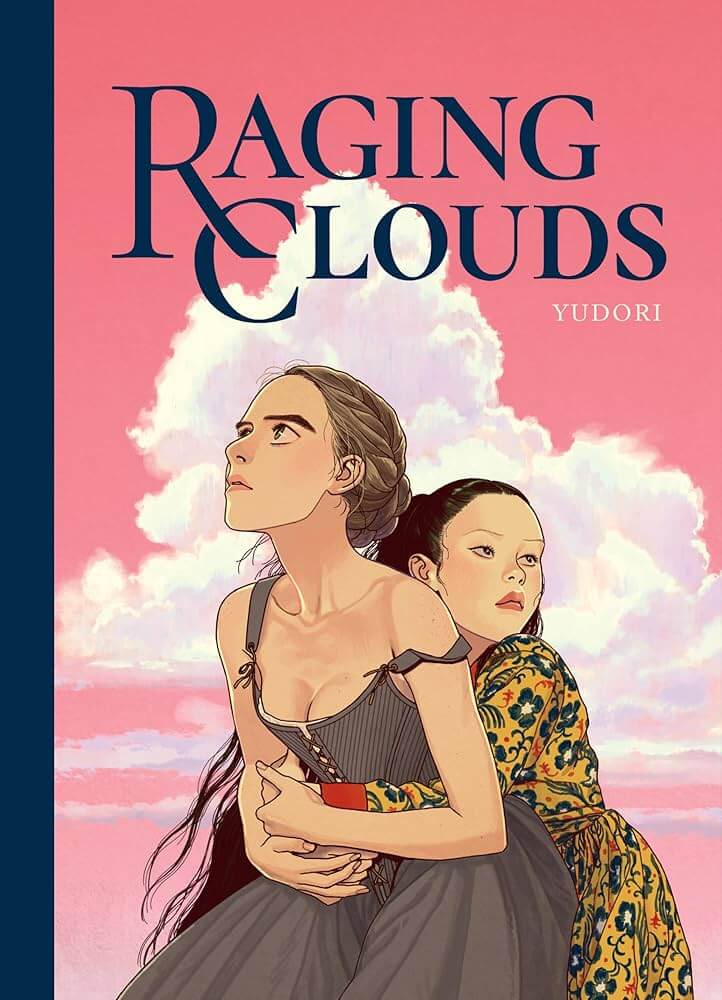
WESCOTT: In terms of Korean comics, you’ve been putting out work by Yudori as well, like Raging Clouds. You have Lovers of the Empire coming out too, right?
GROTH: That’ll be a three-parter. We’re working to find the best contact for Korean comics. Admittedly, that’s the one we’re least familiar with. But it’s where we have the most room to grow. The beauty of Takumigraphics as a line is that there isn’t a set theme. It isn’t just all sci-fi manga. So it gives us latitude to find whatever styles catch our eye. We’re not afraid to pick up work from the 70s or 80s that have some classic character to them.
Resurrecting classic creators
WESCOTT: When I was researching Korean comics some time ago, I was frightened by just how little information about them was available in English, and how few foundational works had been translated. As a comics publisher, do you feel some responsibility for representing these books, or educating people about why they should care?
GROTH: The Fantagraphics mission is not just to bring the newest books, but also to resurrect classic creators internationally. We publish Tardi and Crepax. Artists who are little known or haven’t had much release outside their original language. There are Korean classics that I’m sure have never been in English before. It’s a great opportunity to sift through them and pick some of the best stuff.
We don’t want to publish just manga, since manga overshadows everything in terms of Asian comics. When publishing Yudori’s books, we made sure that reviewers were aware that while her work is manga-inspired, the artist herself is Korean. We want books that have a distinctive style to them, that stand out in a sea of comics that don’t always have that level of depth or influence. We’re careful about what we select.
WESCOTT: It’s tough, because many manga and webtoons do have that mass-produced feeling to them.
GROTH: They can be very self-referential. That’s why we’re aiming for historical works as well, that new comics are influenced by. I just recently acquired a few books that Keizo Miyanishi drew in the 80s and 90s. Those works are referenced by contemporary artists but are also foundational for that time. We’d like to balance them with newer comics made in the past few years.
The biggest small publisher in comics
WESCOTT: Something we’ve seen lately are smaller presses like Glacier Bay Books or Manga Mavericks Books going to doujin festivals and picking up independent artists, rather than putting out works from big publishers. Are you looking at these independent works, as well?
GROTH: When you start out, you draw from the larger pools. But we certainly want to get more granular. It’s a matter of building the infrastructure to seek out smaller presses. While we don’t have the resources to go to conventions in Japan, I’m sure there’s a robust indie scene that we want to draw from.
The funny thing about Fantagraphics is that we’re either the smallest large publisher or the biggest small publisher in comics. We view ourselves as being indie and wanting to have our ear to the ground when it comes to work that’s new and fresh. That’s what Takumigraphics is all about: the joy of discovery. Finding comics that would be hard for the casual manga reader to know about.
WESCOTT: What can you tell us about Filipino comics?
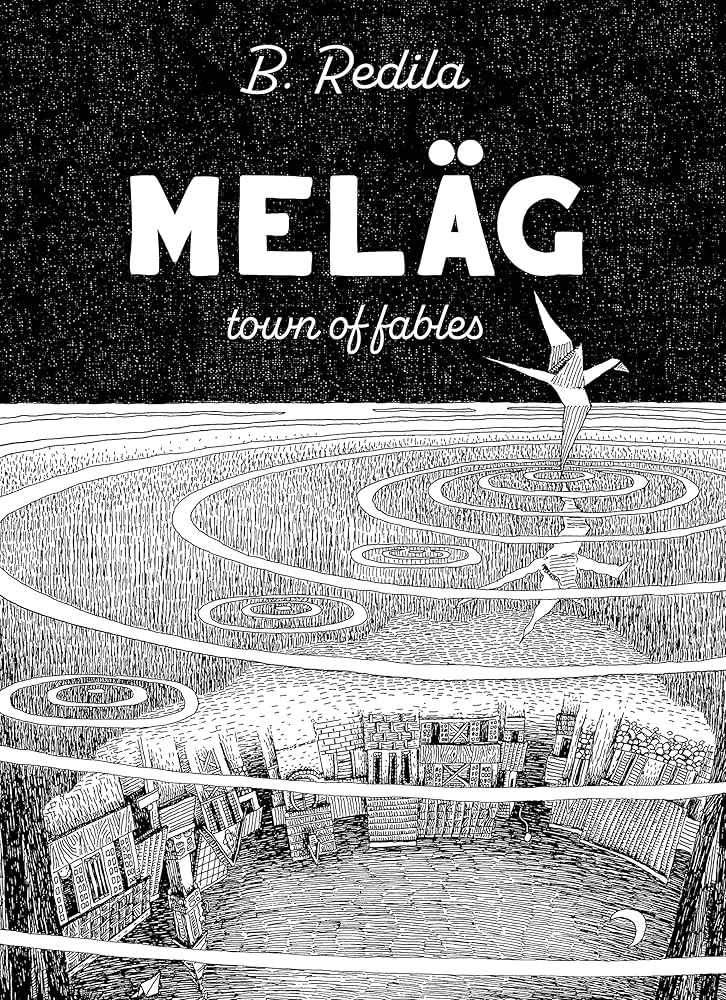
GROTH: We published Meläg: Town of Fables by Bong Redila a few years ago. It’s a beautiful book with a spidery line like Edward Gorey. We’ll do more work with Redila in the future. He’s very enthusiastic about the Filipino artist community so he’s an important contact. He’s sending me a big list of creators with some more thoughts. We don’t have huge plans yet for Filipino comics, but we’re scouting out the vibes.
You can see the influence of manga in a lot of Taiwanese comics when it comes to visual storytelling and pacing, or the way they draw characters and backgrounds. The Filipino comics I’ve seen, though, don’t necessarily have that kind of influence. It’s more unique and varied. So I’m curious to see how readers might respond to Takumigraphics books that don’t match with the rest aesthetically.
Wandering son
WESCOTT: What have you heard from your readers regarding what they might be interested in?
GROTH: We’ve received many comments about Kozuko Morimoto, a contemporary cartoonist known for Gokusen. Not much of her work has been translated officially into English. But since launching the line, we’ve heard that she’s someone that readers are hungry for, so we’ll certainly consider it.
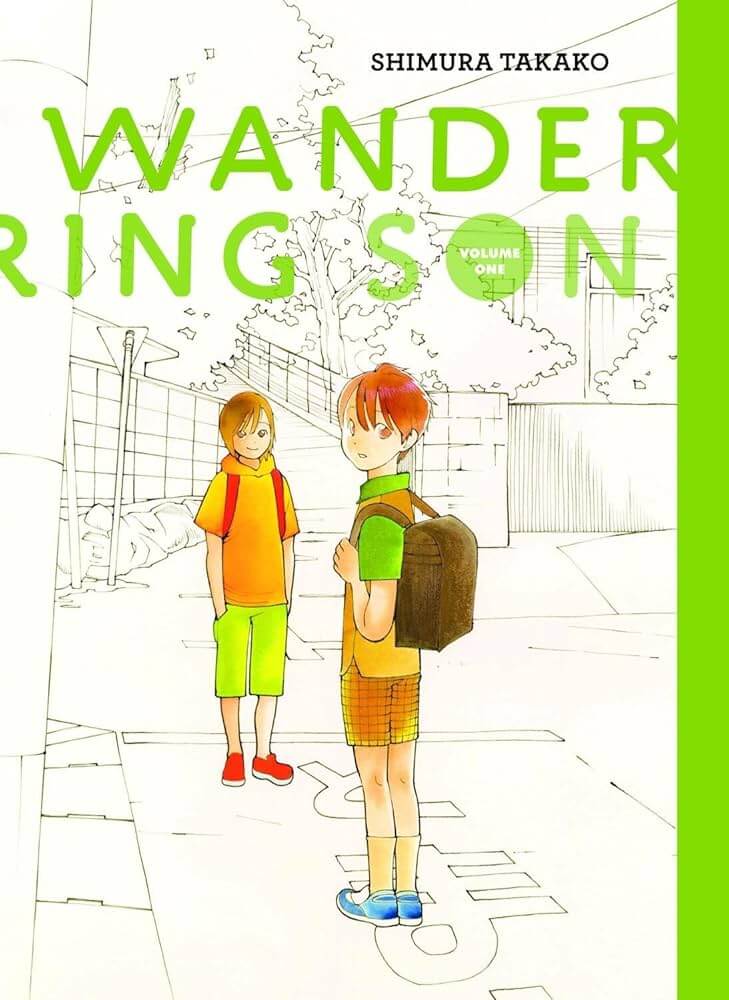
Reader feedback is also one reason why we brought back Wandering Son. We’ve heard from fans over the years that they were sad to see it out of print and wanted the whole series out there. For this release, we’re combining every two volumes into omnibus paperbacks. Our plan is to finish the whole series.
WESCOTT: Fantagraphics is just the latest publisher to start their own manga imprint, with Abrams and even Scholastic getting into the game. What do you think has made manga so intriguing to the publishing industry?
GROTH: It’s one of the most popular styles that people are reading, aside from young adult titles. Manga is accessible. People grow up reading it from a young age, and then graduate to manga targeted at adults. So there’s a pipeline.
Auteur quality
WESCOTT: Fantagraphics puts out a mix of accessible works as well as comics that are harder to wrap your head around. Are you aiming for a similar balance with Takumigraphics?
GROTH: These are all books that we think have quality of craft and literary merit. Within that, there can certainly be more crowdpleasing, accessible books along with stuff that’s weirder.
WESCOTT: Can you describe literary merit?
GROTH: Something that has a certain depth to it, that tugs at you. For example, Yudori’s Lovers of the Empire has a lighthearted tone to it. But the way that she portrays the capital of Korea in the 1930s, and the shift of modernity versus tradition, gives you something to think about. We want books that make you grapple with ideas.
WESCOTT: That refers to the art as well, correct? Many folks who read comics don’t just want the dialogue to be good. They’re looking for something unique in how it’s drawn or structured, or what the artist is prioritizing.
GROTH: We go for auteur quality. Artists that might be influenced by things you are familiar with, but stand on their own. Kaizo Miyanishi, for instance. Even though I can’t read Japanese, when I was flipping through their work, I was struck by their beautiful style with dramatic positions and angles. It didn’t look like any manga I’ve seen before.
The umbrella of this imprint
WESCOTT: There’s a lot of variety within the Japanese market, not just in genre or subject but how it’s drawn. Yet the market ends up shaping what gets published abroad. Because the window for what qualifies as popular manga is so narrow, you don’t always see publishers take big risks. That’s why I’m excited to see what your team chooses to bring over, or what series best expresses your point of view.
GROTH: We’ve published comics before that we know aren’t going to be commercially successful, but succeed at being unique. Where the artist has a wild vision you just have to see through. But that’s the nice thing about manga in this line. Since the form is so popular, it has a higher floor than some wacky European comic that we might be fans of. Under the umbrella of this imprint, readers might be more willing to give books a chance.
WESCOTT: So you’re releasing 16 titles a year, starting next year?
GROTH: That’s what we’re aiming for. We do three seasons a year, four books in each season, 16 in total. Wandering Son will take up a number of those per year. But that’s what I’m seeing is the floor. The number of books could go up so long as we have the production and translation capacity.
Manga zombie
WESCOTT: What other challenges has Takumigraphics faced when it comes to publishing works from Japan, or from other countries like Korea or Taiwan?
GROTH: This might be inside baseball, but one thing that can be tricky is finding out the rights situation. Especially for older works with a complicated publication history. There’s an amazing cult classic artist named Kaze Shinobu who’s done many fantastical stories. I’d love to include him on the slate, but it’s very challenging to find someone who will talk to you about him.
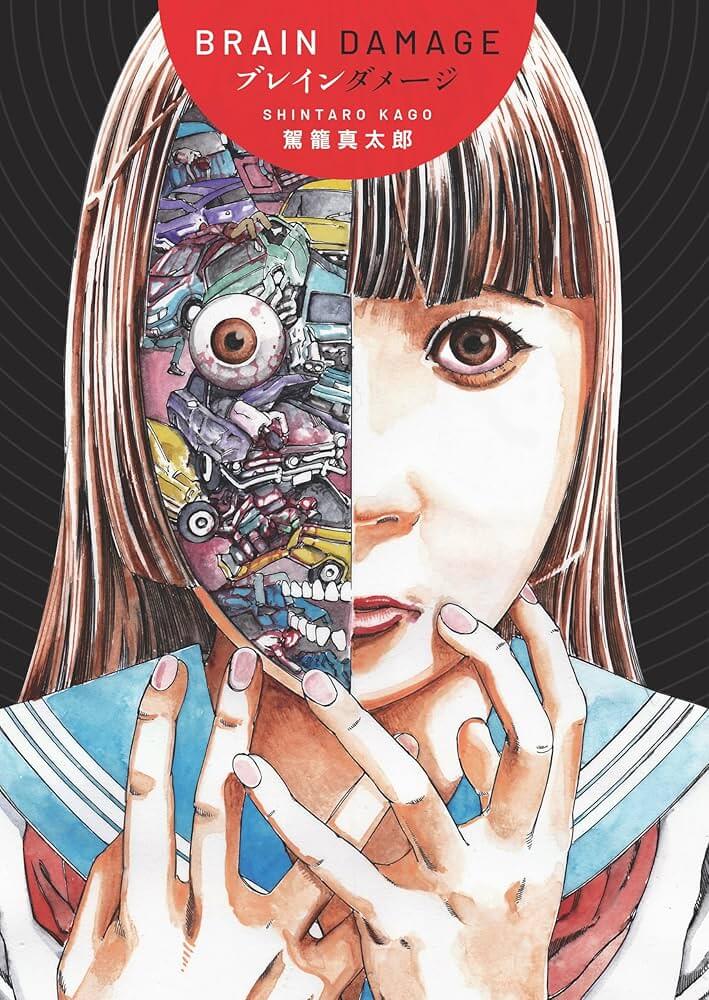
WESCOTT: Ah, Kaze Shinbou was mentioned in Udagawa Takeo’s Manga Zombie! That’s a book that’s all about profiling artists who do obscure and edgy stuff. Another example would be Tsutomu Miyazaki and Masami Fukushima, who did Saint Muscle.
GROTH: That series does look wild! We have three different editors contributing a variety of ideas to Takumigraphics. So I wouldn’t be surprised to see a crazy romp like this. It might not have literary depth, but the artwork is kinetic and alive. It’s nice to see more hand-done work too, to balance out digital work.
Scouting around
WESCOTT: What can you tell me about the other editors?
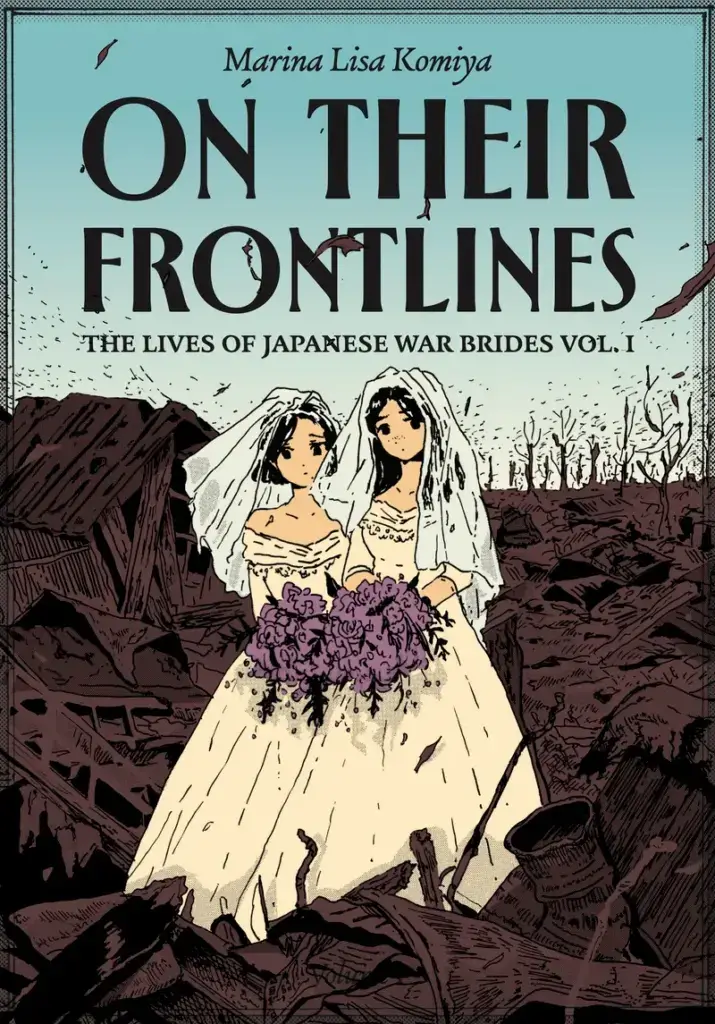
GROTH: There’s myself, the publisher Gary Groth, and the associate publisher Eric Reynolds. I brought in Marina Lisa Komiya’s On Their Frontlines: The Lives of Japanese War Brides. Gary brought in Moto Hagio. Eric deals more with the Mangasplaining people and the books they suggest. He leans more into science fiction. Gary and I lean a bit more literary and character-focused. We’re all scouting around and sifting through projects, so I think that’ll help vary the vision of the line so it doesn’t align with just one of our tastes.
WESCOTT: Any last things you want to say regarding what you hope to accomplish with Takumigraphics?
GROTH: We’re starting a separate Instagram and social media presence for the line to highlight the artists more. We also hope to unearth classic comics that haven’t yet been published in English. But what I’m most excited about is the broad scope. I like what you said previously about how you hadn’t heard much about Filipino or Taiwanese comics. We hope to bring work from those countries and others into the light here. Not just popular manga, but comics from all over East Asia.
Big thank you to our supporters
From their continous support, we are able to pay our team for their time and hard work on the site.
We have a Thank-You page dedicated to those who help us continue the work that we’ve been doing.
See our thank you page