Manga’s greatest strength is its breadth. There is a series for every subject matter that you can imagine, and an artist for every taste. Despite this fact, only a narrow slice of the medium has broken through abroad. That’s where MINT (Manga International Network Team) comes in. Founded in 2024, this organization champions six artists (and five editors) that each offer something unique through their manga.
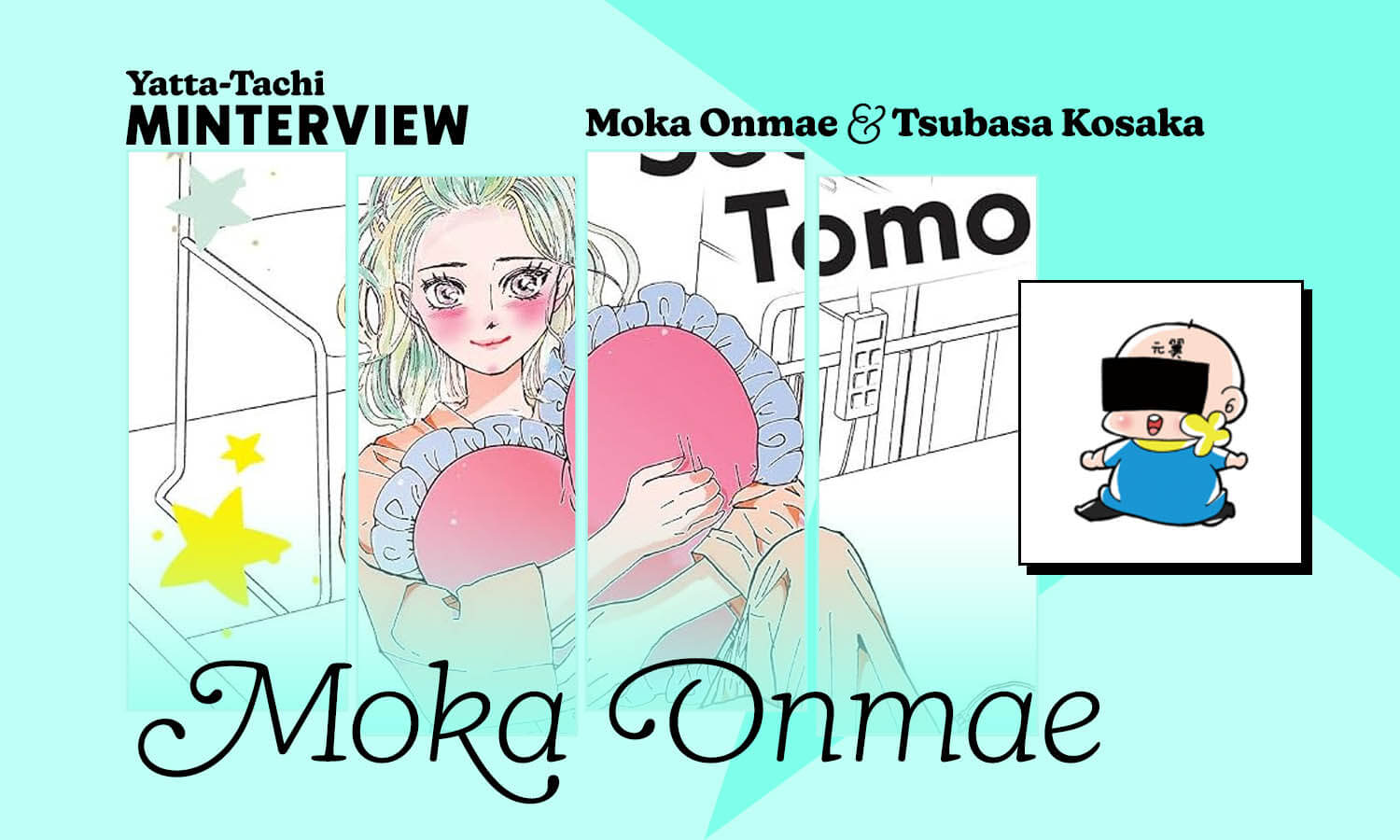
This is MINTERVIEW, a series of Yatta-Tachi interviews profiling manga artists and editors associated with MINT. This time we spoke with MINT-affiliated artist Moka Onmae and her affiliated editor Tsubasa Kosaka. Moka Onmae made her debut with CREW de gozaimasu!, a series about her time as an airline stewardess. Her representative work, Good Morning, Good Night, and See You Tomorrow., draws on her family’s experience with cancer; it is set to be published in English by Seven Seas Entertainment starting November 2026. Her editor, Tsubasa Kosaka, is a member of the Princess Bonita editorial department under Akita Shoten.
Moka Onmae
I’ve flown over 10,000 hours
ADAM WESCOTT: When did you start reading manga and when did you start drawing it?
MOKA ONMAE: I started reading manga as far back as I can remember. I think I was probably around three years old. Even before I could read, I would follow the pictures and imagine the stories.
On the other hand, I only started drawing manga about a year before my debut. Before that, I had no intention of becoming a manga artist—I was just a big manga fan. I made my first complete work, including inking and finishing, about six months before my debut (a four-page gag manga).
WESCOTT: According to your biography, you worked as a flight attendant for some years. What led you to become a flight attendant? What did you like about the job? What did you dislike?
ONMAE: I’ve flown over 10,000 hours. It all started when I was still in university struggling to decide on a career path and my father suggested, “How about becoming a flight attendant?” That’s when I began to consider it as one of my options.
What I liked about the job was being a professional in both safety and service, not just one or the other. What I disliked was training new recruits. I was also an instructor, and while everyone has their strengths and weaknesses and learns at different speeds, I had to train everyone to meet the professional standards by the time they joined the company. Those who failed the safety checks had to leave, no matter how suitable they were as service personnel. While this is understandable for a safety officer whose job is to protect lives, it was tough.”
I always wanted to show them that world
WESCOTT: How did you make your debut in the manga industry? What made you decide to tell your story via manga rather than by written nonfiction or another medium?
ONMAE: The catalyst was when I submitted my work to the traveling editorial department at COMITIA. (Editor’s Note: A traveling editorial department is a special table at a convention where artists deliver a sample of their work to manga editors for critique.)
As I’ve shown in my work (scheduled to be included in volume 4), my sibling dreamed of becoming a manga artist before they passed away. And although I’d never drawn manga, I always wanted to show them that world. After I became ill, I started reading tons of manga and wanted to draw, so I attended manga classes for several months, learned about COMITIA, and submitted my work to the traveling editorial department.
The reason I wanted to tell a story through manga that is close to nonfiction is that there have long been many educational manga in Japan, and even through other genres, many readers learn or gain an interest in something via manga. Some even go on to serious studies.
I believe that manga can be an effective tool that allows even those who aren’t interested in the information being conveyed to take it in effortlessly while reading the story. (I still have to do a lot of research so that even experts can read it without any misgivings.)
Momiji Akiyama is not me
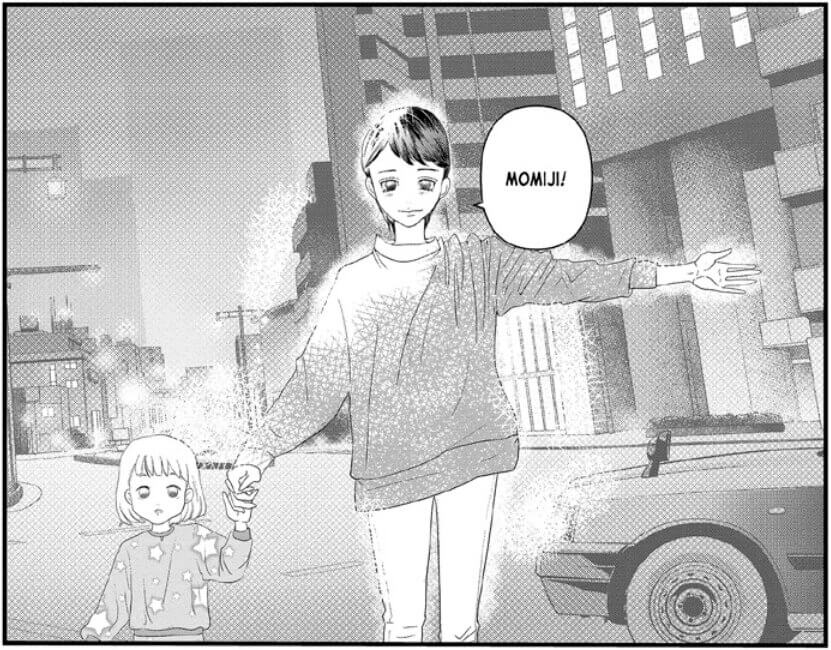
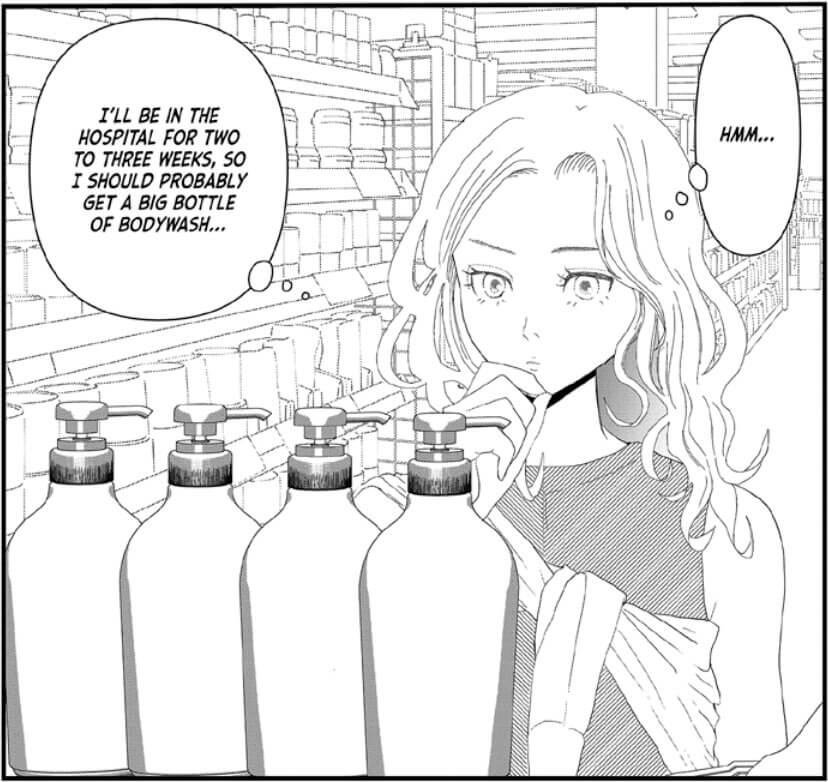
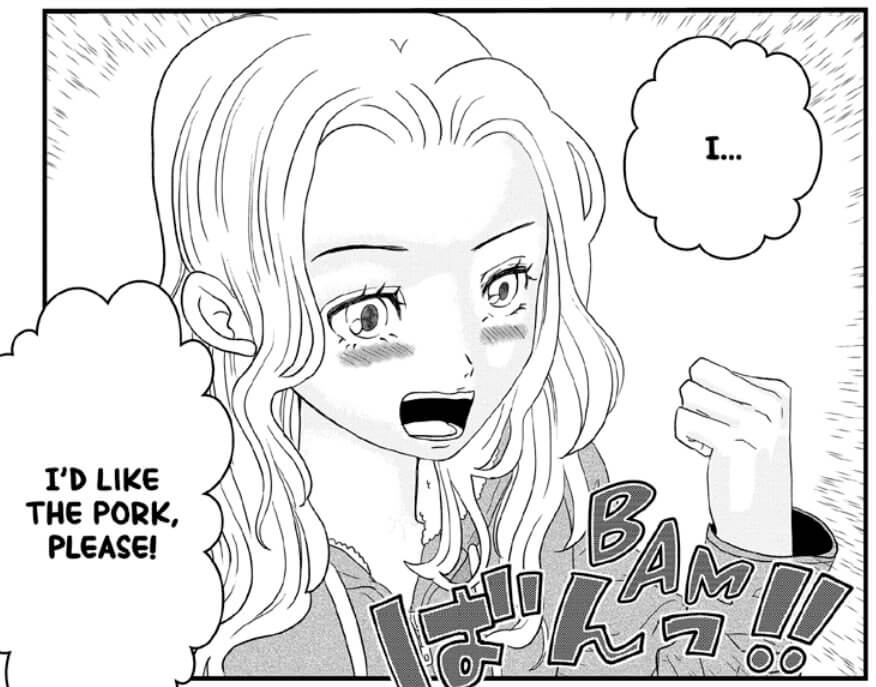
WESCOTT: Your artist profile says that you “come from a family where every member, the author included, is dealing with their own battles with cancer.” Does the life of Momiji Akiyama in Good Morning, Good Night, and See You Tomorrow. reflect your own life? If so, how? If not, why not?
ONMAE: Momiji Akiyama is not me.
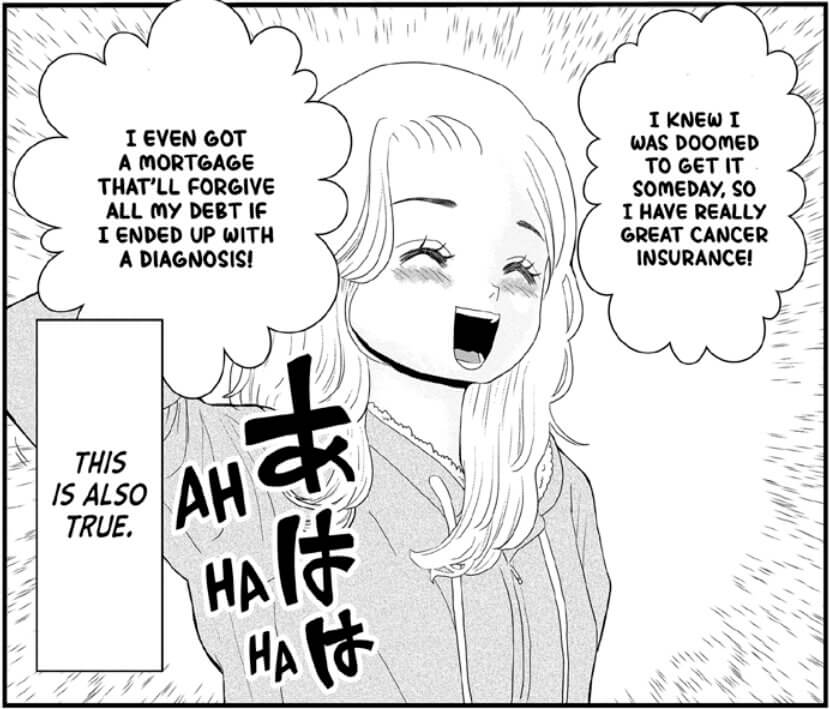
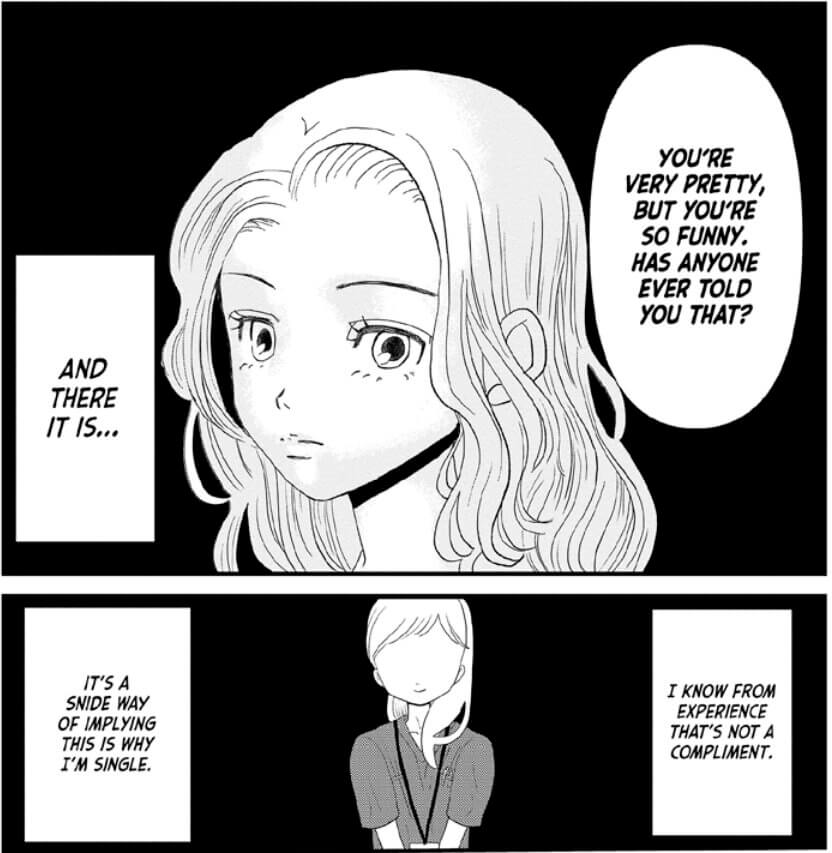
My views on things are unconventional, so my first editor felt that if elements of myself were included, many readers would not be able to empathize with (and therefore not support) Momiji. So, to show the feelings and thoughts of as many ordinary people as possible, I’ve read research papers on the mental state of cancer patients, interviews, emotional expressions on social media, and incorporated them into my manga.
However, the events in the manga are based on my own experiences.
WESCOTT: What misconceptions do you often see about what it means to live with cancer?
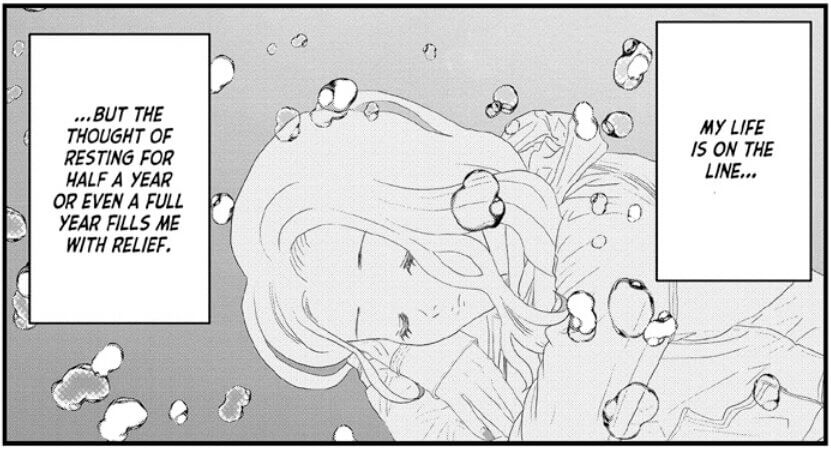
ONMAE: When I say “living with,” I have been told, “Don’t give up on life or a full recovery!” But I don’t mean that I’ve given up; rather, I feel that reality and hope are two separate things.
My favorite thing is coming up with stories

WESCOTT: What do you like most about drawing manga? What do you like least?
ONMAE: My favorite thing is coming up with stories. Before I create the storyboards, I immerse myself in the world in my mind and enjoy being absorbed in it—it’s as if I’m traveling through that world. What I don’t like is when my work isn’t selling. It’s hard when I can’t make money from drawing.
WESCOTT: What challenges do you face in writing and drawing something so personal?
ONMAE: I’m connected with my readers on social media, so it’s quite difficult to avoid causing them worry.
WESCOTT: In the United States, there is a kind of comic called “graphic medicine” about living with illnesses like cancer or epilepsy. Is manga in this vein also published in Japan? Do you have any favorites?
ONMAE: In Japan, there isn’t a specific genre called “graphic medicine,” but there have long been many comics that deal with battling illness or incorporate diseases and disabilities into their stories.
I have many favorites. If I were to list them all, a day wouldn’t be enough.
I want to make Koyori happy
WESCOTT: Do you have any personal favorite tools or techniques that you use to draw manga?
ONMAE: I use Clip Studio Paint on my iPad to draw, but I loved using screentones back in the analog days. I love the 3D features and resources in Clip Studio Paint. They’re so convenient and I’m really grateful for them.
WESCOTT: Do you have hobbies outside of drawing manga? If so, what are they?
ONMAE: I love reading manga and watching anime, and I recently got my first ever puppy. His name is Koyori. The time I spend with Koyori and his friends [from Onmae’s dog mom group] is incredibly precious and wonderful, and I wish I could spend more time with them. As a single cancer patient, I was hesitant about adopting a puppy, but I decided to go for it after someone promised to take care of him and give him a happy life in case something happens to me.
With my friends’ support, I want to make Koyori happy.
Tsubasa Kosaka
What authors and editors “want to express now”
WESCOTT: How and when did you become a manga editor?
TSUBASA KOSAKA: I wanted to become a manga editor while I was in university, and after going through the job hunting process for new graduates, I joined Akita Shoten in April 2023 through a lucky connection.
WESCOTT: What can you tell us about Souffle? What in your mind separates the print manga market from the digital manga market?
KOSAKA: Souffle is our website for women, featuring works that don’t fit neatly into magazine genre categories like women’s or girls’ magazines. We aim to publish works that showcase what authors and editors “want to express now,” hoping that as many people as possible will read them. In addition to manga, we also publish columns and interviews related to the works, which you can enjoy alongside the manga.
Souffle doesn’t have a subscription fee, so you can read it for free. Therefore, it’s difficult to point out the market differences between print media and Souffle, but we believe that Souffle has a broader reach due to its closer ties to social media. One of Souffle’s biggest strengths is that anyone with an interest can easily drop by at any time.
Delicate and rich
WESCOTT: When and how did you start working with Onmae-sensei?
KOSAKA: About a year ago, Onmae-sensei’s previous editor left the company, and I was given the opportunity to take over as her editor at that time. I had actually met and spoken with her somewhere during an interview, so that connection led to me being in charge of her work now.
WESCOTT: What do you think is Onmae-sensei’s greatest strength as a manga artist?
KOSAKA: It’s really difficult to pinpoint just one of Onmae-sensei’s strengths, but I believe her greatest strength lies in her ability to create truly unique manga by reflecting her own valuable experiences into her work.
Onmae-sensei is a thoughtful and dedicated researcher, and as her editor, I feel she consciously tries to grasp the nuances of other people’s emotions and take in all kinds of news about the world on a daily basis. Perhaps because of this, the expressions of her characters’ feelings are delicate and rich.
Her works have many appealing aspects, and I sincerely hope everyone will read them.
A new and challenging work for her
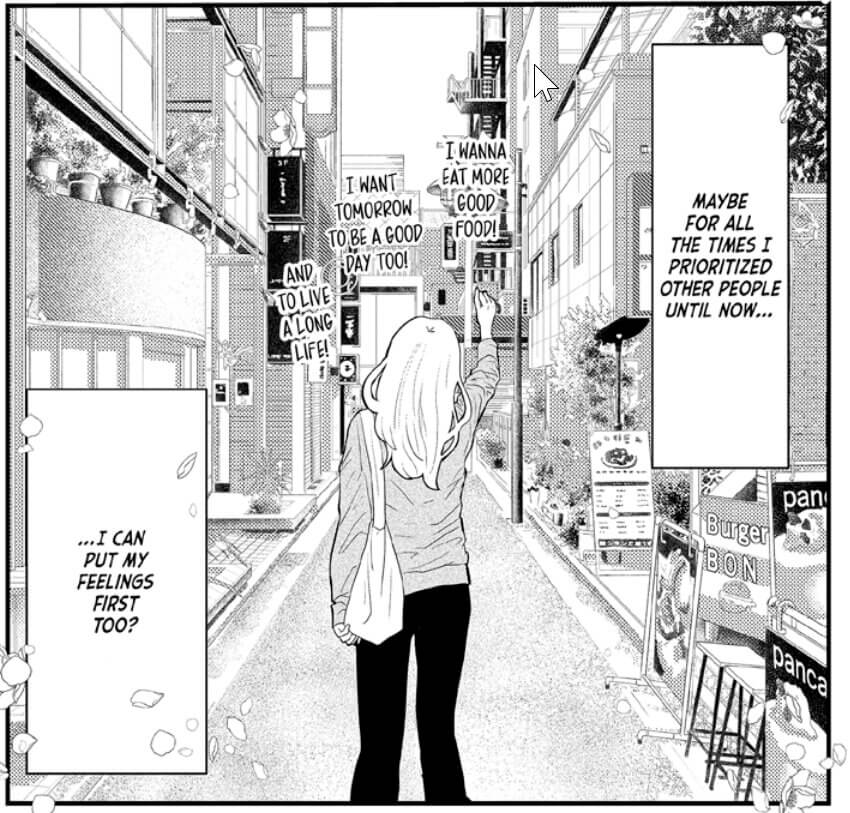
WESCOTT: Where does Good Morning, Good Night, and See You Tomorrow. fit within Onmae-sensei’s larger body of work?
KOSAKA: She changed her approach to match the content and target audience (making the characters taller, increasing the range of emotions depicted, etc.), so in that sense, I think this is a new and challenging work for her.
I think the way her own experiences are utilized, and how it manages to be a work of entertainment while still conveying a clear message, are things that Good Morning, Good Night, and See You Tomorrow. has in common with the previously published CREW de gozaimasu! series.
Thank you to MINT for this opportunity! You can find out more about MINT, including a sample catalog of manga chapters drawn by the organization’s representative authors, at its official website.
Article edited by: Cynthia Caraturo
Big thank you to our supporters
From their continous support, we are able to pay our team for their time and hard work on the site.
We have a Thank-You page dedicated to those who help us continue the work that we’ve been doing.
See our thank you page