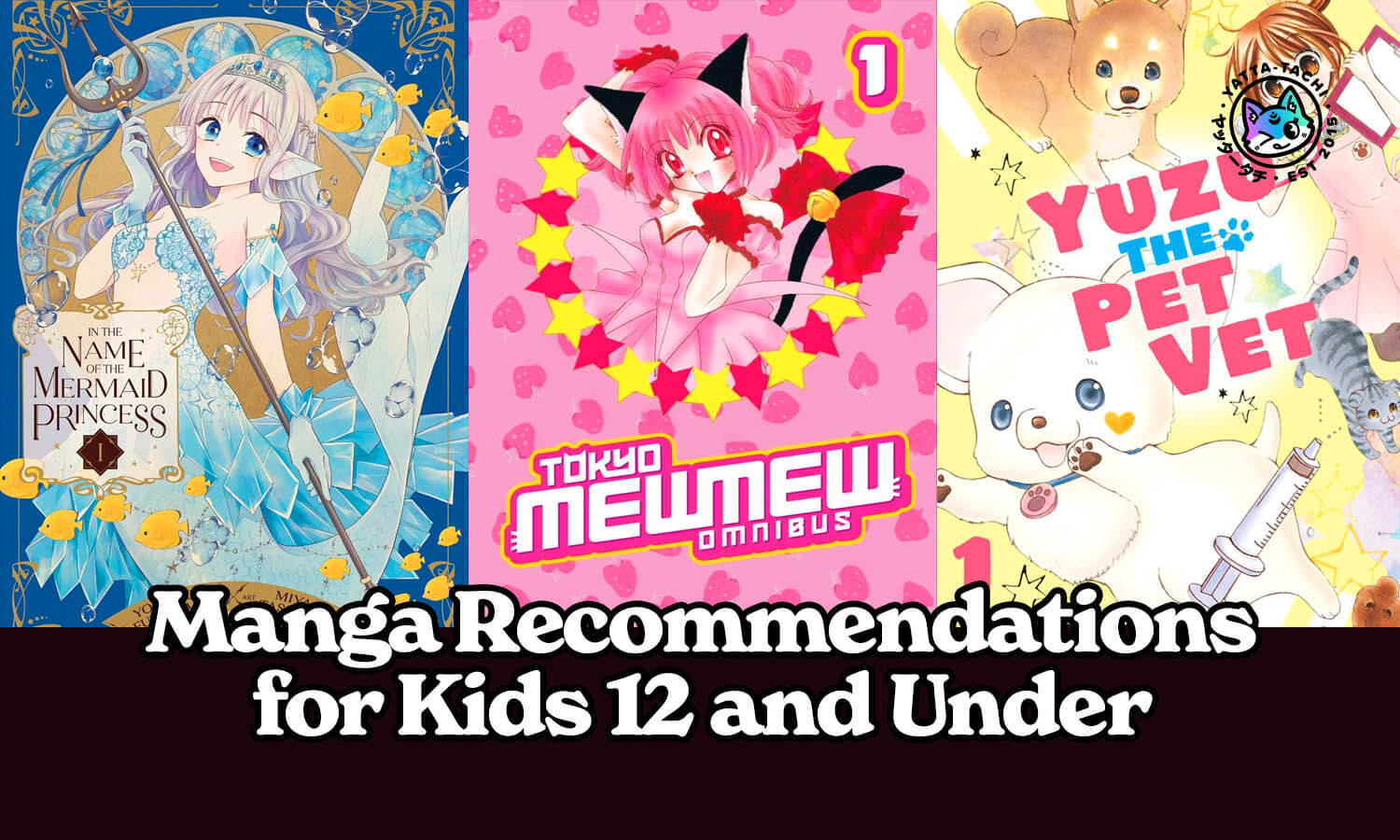

Over the years, I’ve had many parents approach me asking for manga recommendations for kids. Whilst I’m always ecstatic to recommend a series, I’ve noticed that it can be difficult to find any sort of practical guide online. It can be especially difficult to judge what’s appropriate for different ages, not just in terms of content, but also reading level. So, I have utilized my experience as a former Saturday librarian, bookseller, and Brownie Guide Young Leader to put together this list in the hopes of helping parents find what they’re looking for. I also hope that these books will help get more kids into manga and discover titles that aren’t just Shonen Jump series with ridiculously popular anime adaptations!
I should note that these are just guidelines. I’ve used both my own knowledge, publisher’s suggested age ranges, and the UK National Curriculum to judge appropriateness. If you believe that your kid would love a series on this list, but it’s not in the “correct” age range for them, let them have a go! I still think of the little boy I saw in the library whose mom wouldn’t let him read the next book in the Humphrey the Hamster series because it was in the Junior Fiction Section instead of the Infant Fiction Section. I wouldn’t want that to happen to anyone ever again.
While I’ve listed places where you can buy these books, I encourage you to check out your local library, too. They have much more choice on offer, and the librarians there will know far more than I do about what’s popular amongst other children. In fact, when researching this article, that was my first port of call! Don’t forget, you can also check out eBooks from places like Libby. Ask your local library if they’re subscribed to any services.
Age 5-6
Scott McCloud’s Understanding Comics proposes that a comic book is defined by the way in which image and text work together to tell a narrative. With that definition, I am well within my right to describe a picture book as a comic book. And if “manga” is defined as a comic book originating from Japan and East Asia, then these picture books definitely count. Also, it’s really difficult to work out what the reading level of a five-year-old should be, and all the guidelines out there for children’s independent reading are for picture books.
Whilst the following are all by authors who were born, raised, and reside in East Asia, there are plenty of great picture books out there from the overall Asian diaspora. I recommend The Perfect Sushi by Emily Satako Seo and Mique Moriuchi, Love in the Library by Maggie Tokuda-Hall and Yas Imamura, Eyes That Kiss in the Corners by Joanna Ho and Dung Ho, and I Love Luna New Year by Eva Wong Nava and Xin Li.
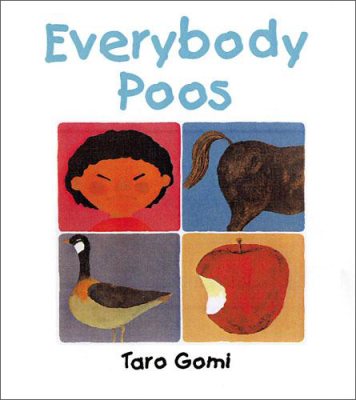
Everybody Poos
Genre: Educational, humor
Themes: Normalizing defecation
For fans of: Does This Poo Belong To You?, Butts Are Everywhere
Learn about all the fun ways different animals poo! Everybody eats, so everybody poos. And that includes you!
Did you know that this iconic picture book was first published in Japan? The story seeks to normalize going to the toilet and taking away any shame around it. This is still an issue in Japan, where folks buy gadgets designed to hide the sound of your poo hitting the toilet water. Across the world, poo and wee are still so taboo that people will hold it in to the point of damaging their bodies! The taboo around poo is still so big, this book has been banned in several libraries across the USA. So, while on the surface, this is a silly story about toilet activity across the animal kingdom, really it’s an important educational tool for social and physical well-being.
- Story and Art: Taro Gomi
- Translator: Amanda Mayer Stinchecum
Everyone Poos is available from Amazon, Barnes & Noble, and Bookshop
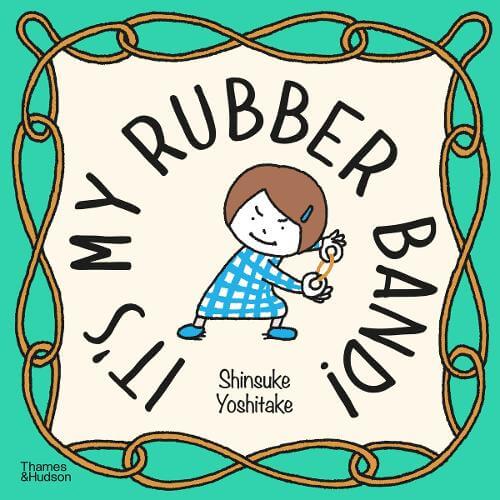
It’s My Rubber Band
Genre: Slice of Life, comedy
Themes: Creativity, independence
For fans of: Don’t Let the Pigeon Drive the Bus, Mr. Men and Little Miss
It’s always exciting to get something that you can call your own! Even something as simple as a rubber band. There are so many different ways you can use a rubber band, too! How many can you come up with?
Originally published in Japan, this is just one of many picture books available from Shinsuke Yoshitake. This story is about the joy of having something that is all your own. Yoshitake’s simple but creative artwork really draws you in. There’s so much fun and creativity in all the different ways Yoshitake comes up with on how to use her rubber band. There’s plenty of opportunities to come up with your own ideas afterwards, too.
- Story and Art: Shinsuke Yoshitake
- Translator: Sofiane Kohen
It’s My Rubber Band is available from Amazon and Barnes & Noble
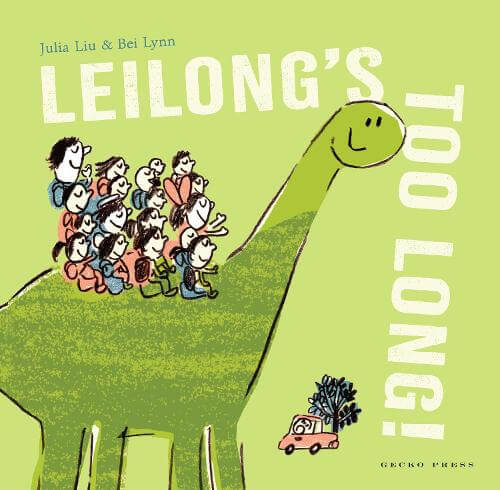
Leilong’s Too Long!
Genre: Comedy, dinosaurs
Themes: Friendship, teamwork
For fans of: The Tiger Who Came to Tea, Dino’s Don’t Give Up
Leilong the dinosaur has the important job of taking all the children to school! But the city is too crowded for a dinosaur, and she keeps knocking over the buildings! What is a dinosaur to do?
Originally published in Taiwan, this is a charming story with an even more charming art style. It’s silly, endearing, and overall just a delightful read!
- Story: Julia Liu
- Art: Bei Lynn
- Translator: Helen Wang
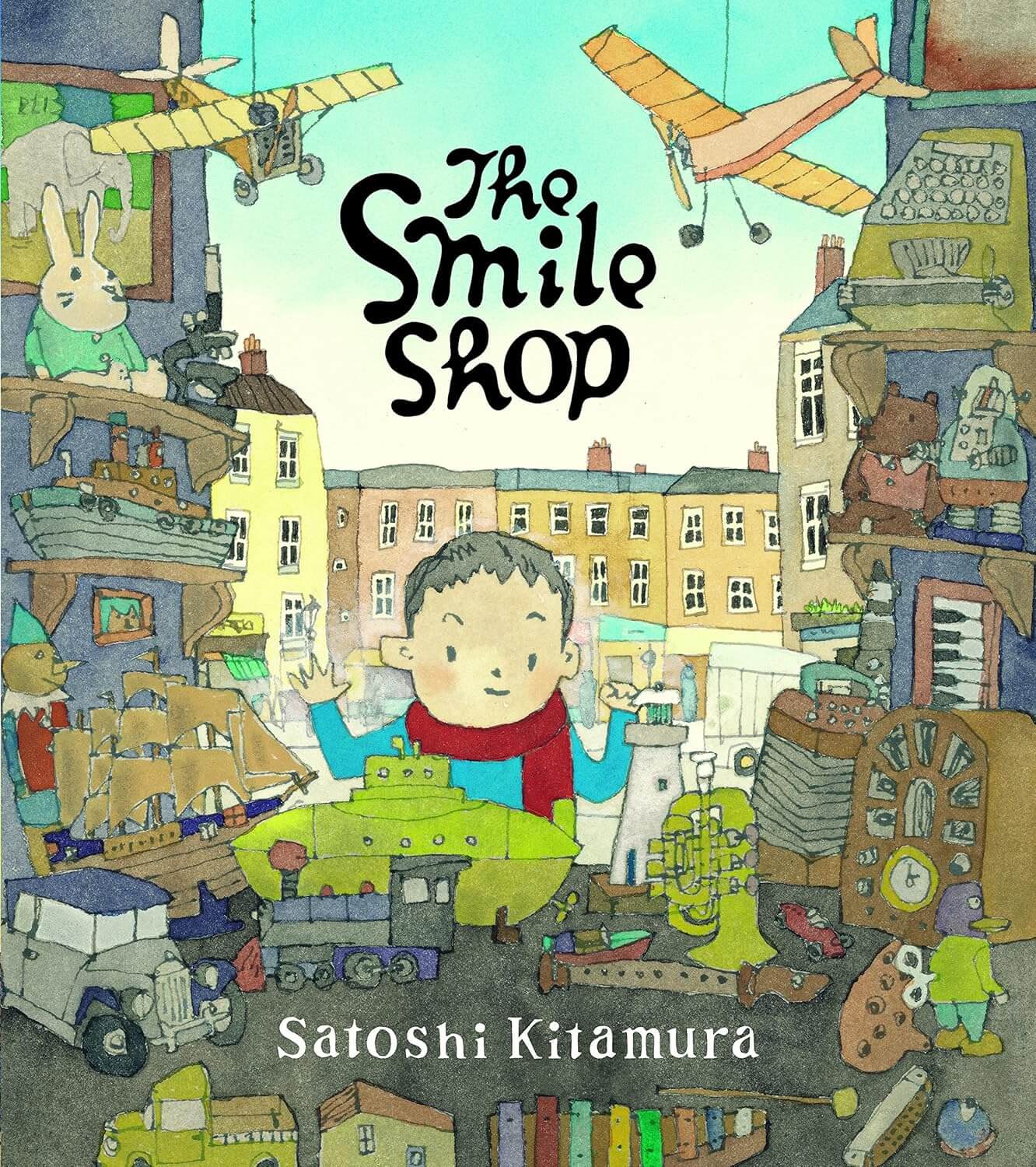
The Smile Shop
Genre: Slice of life
Themes: Community, independence, friendship, joy in the small things
For fans of: Paddington Bear, The Jolly Postman
A small boy is looking forward to spending his pocket money in the market. But when disaster strikes and his money falls down the drain, what will he do?
Satoshi Kitamura was born in Japan in 1956. In 1979, he then moved to England where he designed greeting cards and had his work displayed in galleries. He moved back to Japan in 2009, where he still lives today. Kitamura has published books in both Japanese and English, with many available in both languages. The Smile Shop was originally published in English, and has a quintessential modern-day English feel to it. It appeals to me because it reflects the streets that I personally grew up around! Kitamura’s illustrations are rich in detail, and his stories are charming. His other work includes When Sheep Cannot Sleep, Pot-san’s Tabletop Tales, and Hat Tricks. He also translates my personal favorite childhood series, Elmer the Patchwork Elephant, for Japanese markets.
Story and Art: Satoshi Kitamura
The Smile Shop is available from Amazon, Barnes & Noble, and Bookshop
Age 7-8
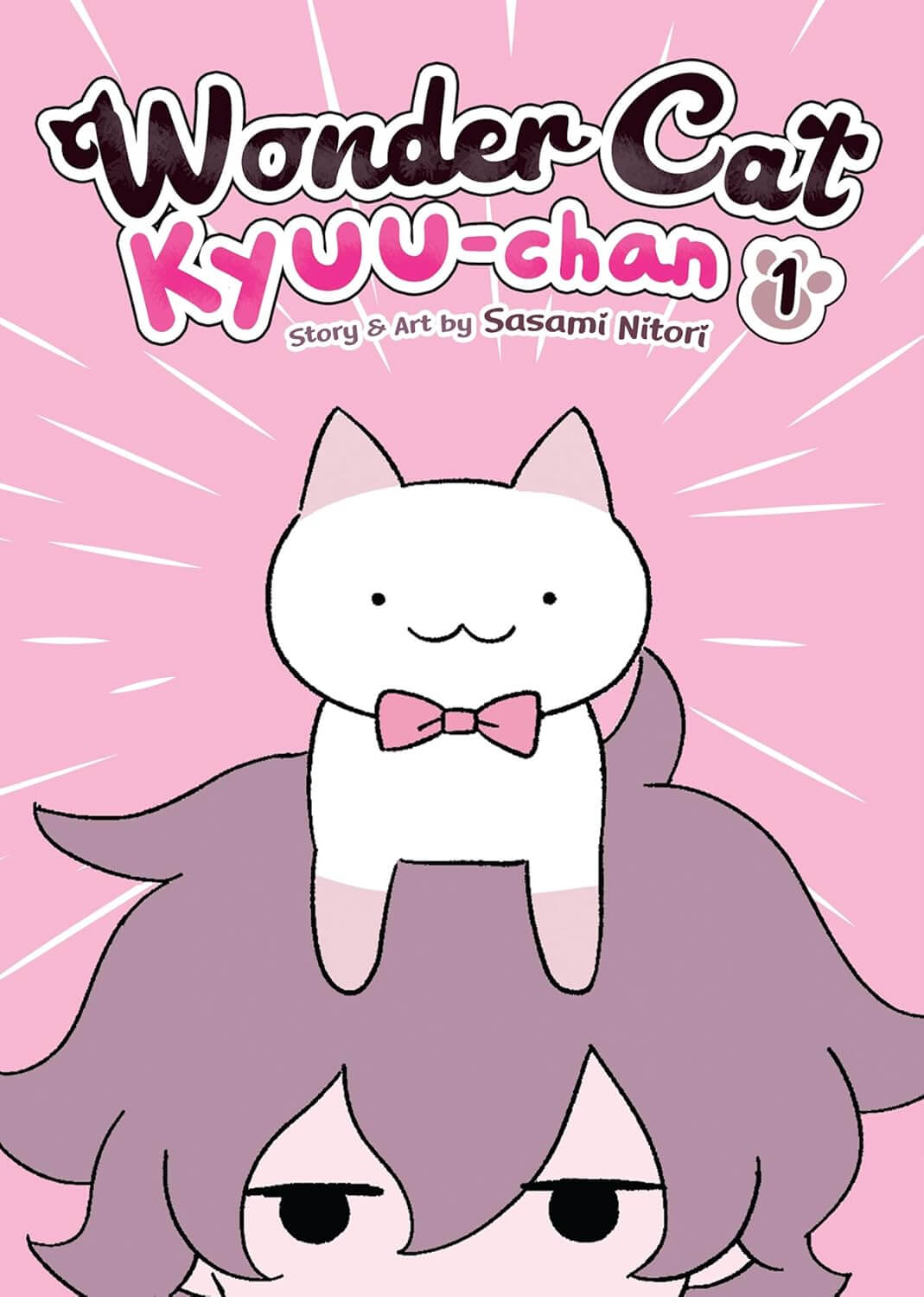
Wonder Cat Kyuu-chan
Genre: Comedy, cat manga
Themes: Human/animal friendship, community
For fans of: Garfield, The Secret Life of Pets
Follow the adventures of office worker Hinata and his adopted pet cat Kyuu-chan! When Hinata rescued Kyuu-chan from a box in the rain, he had no idea the adventures that the pair had in store.
This series is a great introduction to manga. It was originally a webcomic, so it is in full color and each page consists of only four vertical panels. Whilst it reads right to left, there’s very little text in each text box, so it’s very intuitive. Despite being so short, each page is filled with heart-warming humor that is sure to appeal to the cat fan in your life!
- Story and Art: Sasami Nitori
- Translators: Alethea & Athena Nibley
- Lettering: Roland Amago and Bambi Eloriaga-Amago
Wonder Cat Kyuu-chan is available from Amazon, Barnes & Noble, and Bookshop
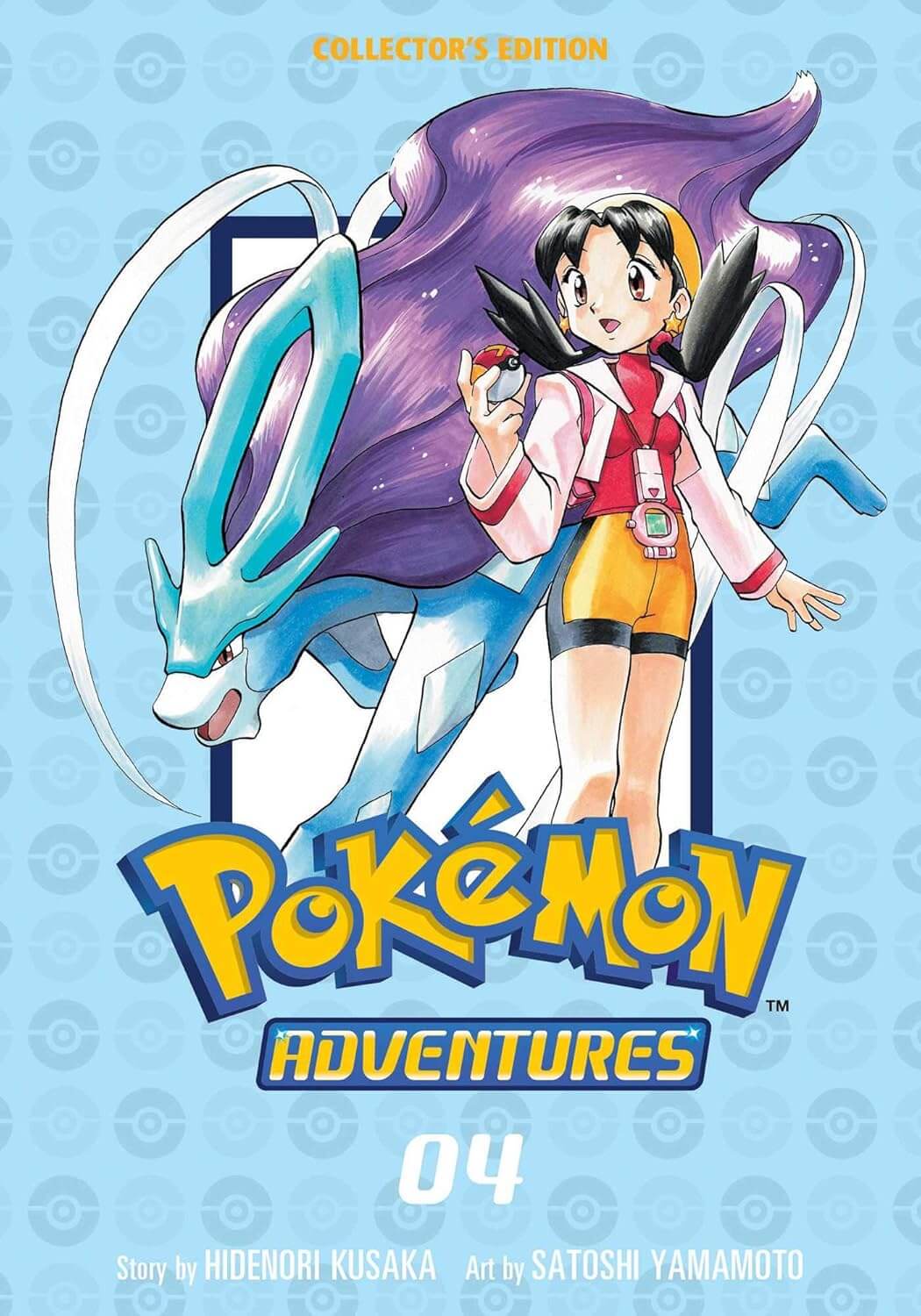
Pokémon Adventures
Content Warning: Past parental death, animal endangerment
Genre: Action/adventure, comedy
Themes: Coming of age, power of friendship, teamwork
For fans of: Digimon, Dog Man
The world of Pokémon is awaiting you in this long-running series. Follow the adventures of a group of young trainers as they journey across the land, searching far and wide for new friends in the form of Pokémon. These adorable monsters love nothing more than to challenge each other to battles to discover who’s the strongest, and by teaming up with human companions, they can train together to be the best that there ever was!
When I went to my local library, I asked the children’s librarian what comics were popular. Her first response, without any hesitation, was Pokémon. So, don’t worry, I’m not just putting this on the list because I’m a millennial in denial of the passage of time—these manga are as popular now as they ever were. Each game has a corresponding manga, but what I like most about them is that they follow an original story. Whilst the characters are all recognizable from the games and the anime, they have unique stories.
Since the manga has been going in various incarnations since 1997, you have plenty of choice. The first series has been put into large collectors editions that can work out cheaper, but I would recommend grabbing the more recent series such as X•Y and Sun & Moon. Not only because they actually have a higher percentage of female protagonists, but also because the physically smaller volumes are designed with little hands in mind.
Although, the best way to enjoy this series is to go to your local library and see what they have on their shelves!
- Original Concept: Satoshi Tajiri, Ken Sugimori
- Story: Hidenori Kusaka
- Art: Mato, Satoshi Yamamoto
- Translator: Kaori Inoue
- Letterer: Wayne Truman
Pokémon Adventures Collector’s Edition is available from Amazon, Barnes & Noble, and Bookshop
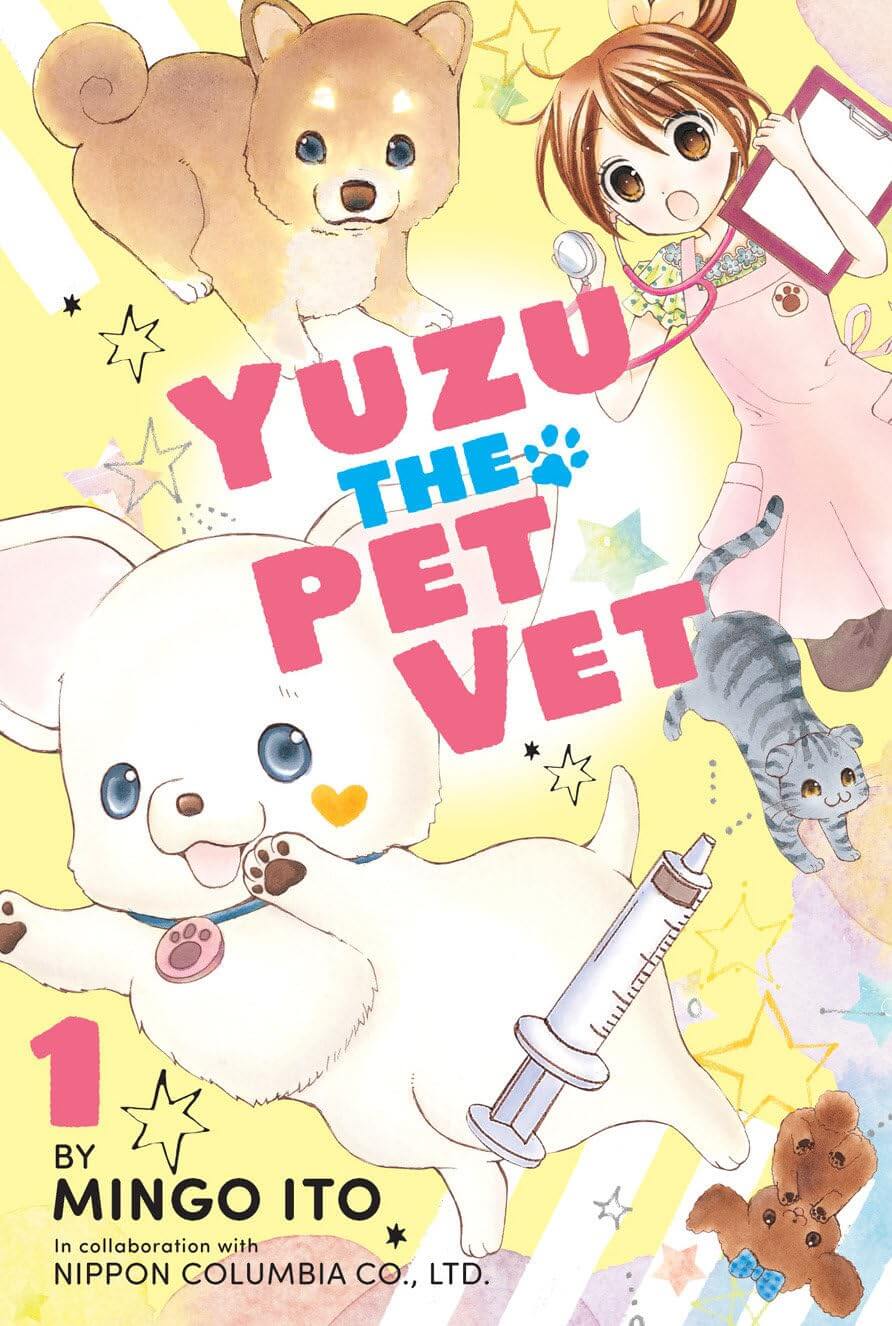
Yuzu the Pet Vet
Content Warning: Past parental death, illness of a parent, animal endangerment, animal abandonment, animal sickness/injury, animal death
Genre: Slice of life
Themes: Grief/mourning, friendship, making new friends/retaining old friends, helping the less fortunate, understanding different perspectives
For fans of: Zoe’s Rescue Zoo, Animal Ark
Yuzu has been through a lot. Her dad died, and then a few years later her mom got so sick that she had to stay in hospital. To be closer to her, Yuzu has to move schools and stay with her uncle, Akihito, who is a vet. Yuzu has never been too keen on animals, but living in a veterinary practice means she has to get over that in order to help out all her new friends!
This is the sort of series I would have absolutely devoured as a kid. Times may change, but children will always love animals and want to help heal them. Even just volume one broaches some really difficult subjects in an easy-to-understand way. Yuzu is dealing with her father being dead, her mother having to stay in a hospital, moving in with a relative she doesn’t know that well, and having to change schools. On top of that, the veterinary setting sees Yuzu having to deal firsthand with difficult topics such as an elderly dog who has dementia. This manga can act as a great starting point for talking about these issues with your little one without it being too daunting an experience. Whilst it does get sad, the stories always end on a really positive note.
- Story and Art: Mingo Itō
- Translator: Julie Goniwich
- Letterer: David Yoo
Yuzu the Pet Vet is available from Amazon, Barnes & Noble, and Bookshop
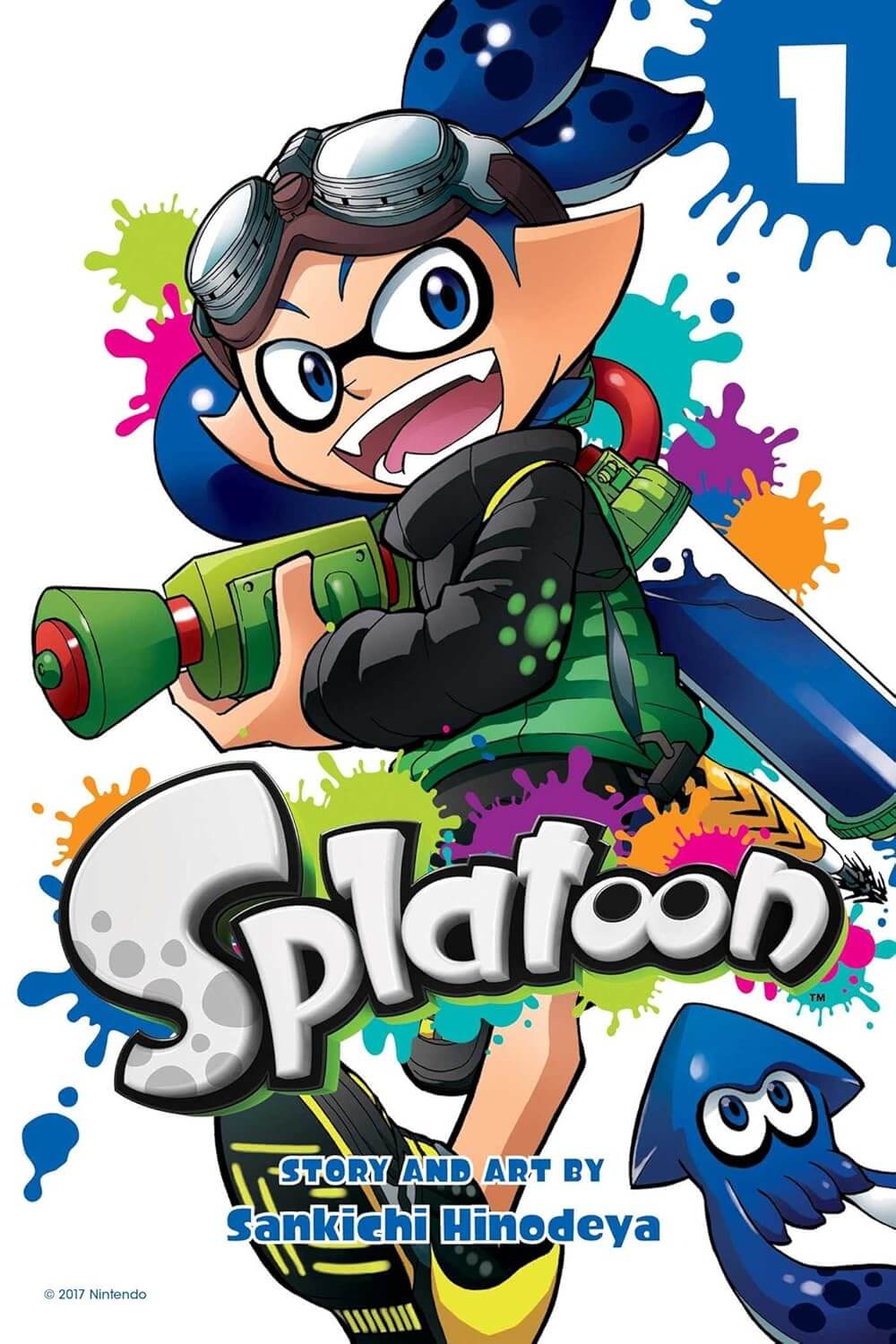
Splatoon
Genre: Comedy, action/adventure
Themes: Power of friendship, teamwork, overcoming the odds, the underdog wins
For fans of: Fortnight, Captain Underpants
Welcome to the city of Inkopolis, home of the Splatoon Turf Wars! This citywide tournament is a battle royal between two teams of four, where the goal is to paint the area with as much of one team’s color as possible within the time limit. Team Blue, made up of Goggles, Specs, Bobble Hat, and Headphones, have been practicing nonstop for this. They might be one of the lowest-ranking teams in the tournament, but that won’t stop them from trying their best and having an absolute blast along the way!
This manga is a retelling of your average Splatoon game. I really like that it encourages the idea that this game is meant to be fun, and whether you win or lose is irrelevant. I think this is something a lot of adults need to remember, and I’m not just saying that as someone who is frustrated by the amount of hacking in the Pokémon ZA battle royals.
The humor here is targeted at kids, relying heavily on bad puns and bums. Times may change, but pulling down your uppity enemy’s pants remains peak kid-comedy.
Other manga based on video games that are suitable for kids include Legend of Zelda, Animal Crossing, Kirby, and Kingdom Hearts.
- Story and Art: Sankichi Hinodeya
- Translator: Tetsuichiro Miyaki
- Adaption: Jeremy Huan & Jason A. Hurley
- Letterer: John Hunt
Splatoon is available from Amazon, Barnes & Noble, and Bookshop
Age 9 – 10
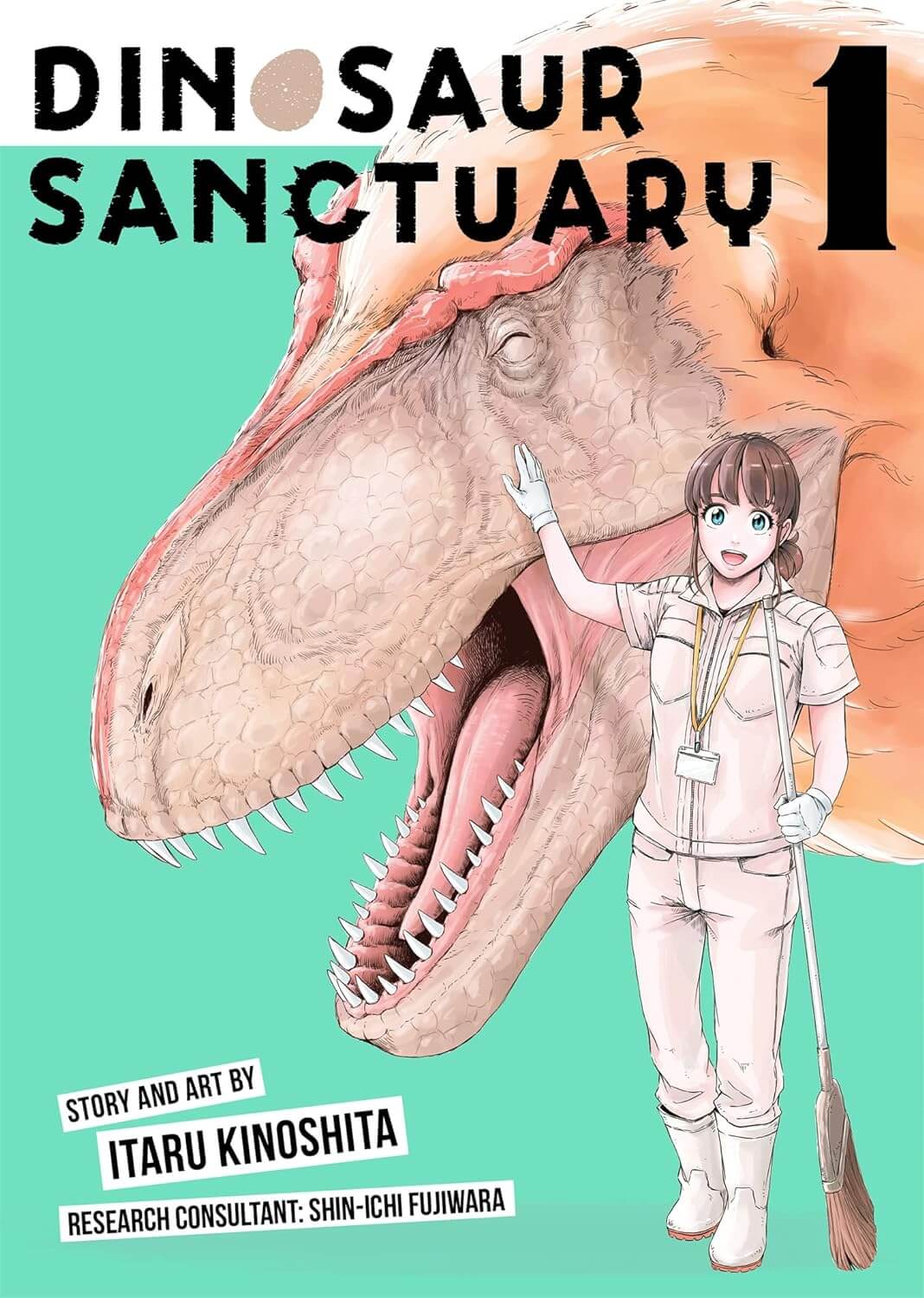
Dinosaur Sanctuary
Content Warning: Death by dinosaur, past suicide of a parent, animal sickens, animal endangerment, injury detail, mild swearing
Genre: Science fiction, educational, dinosaurs
Themes: Animal rights, animal well-being, paleontology, grief/mourning, overcoming obstacles, learning on the job, friendship, teamwork
For fans of: David Attenborough, Jurassic Park
Suzume is the new trainee keeper at Dinoland, but she has history with this sanctuary. Her father was the lead scientist who helped bring dinosaurs back from extinction, but a scandal involving the death of a keeper by an escaped dinosaur resulted in his suicide. For a while, Suzume didn’t want anything to do with these reptiles. However, the memories of how much joy these creatures bought her and her father won out. Now, she’s back to keep their dreams alive.
This series is perfect for fans of nature documentaries and paleontology. It wears its Jurassic Park inspiration on its sleeve, and whilst there are some slightly gory dinosaur attacks, on the whole it focuses more on the less dramatic day-to-day act of animal care. It’s both educational about the way we believe dinosaurs behaved and modern day zoo practices from making sure your animals are happy and healthy to getting enough people through the door so you can keep all your funding!
- Story and Art: Itaru Kinoshita
- Research Consultant: Shin-Ichi Fujiwara
- Translator: John Neal
- Letterer: JM Itomi Crandall
Dinosaur Sanctuary is available from Amazon, Bookshop, and Barnes & Noble
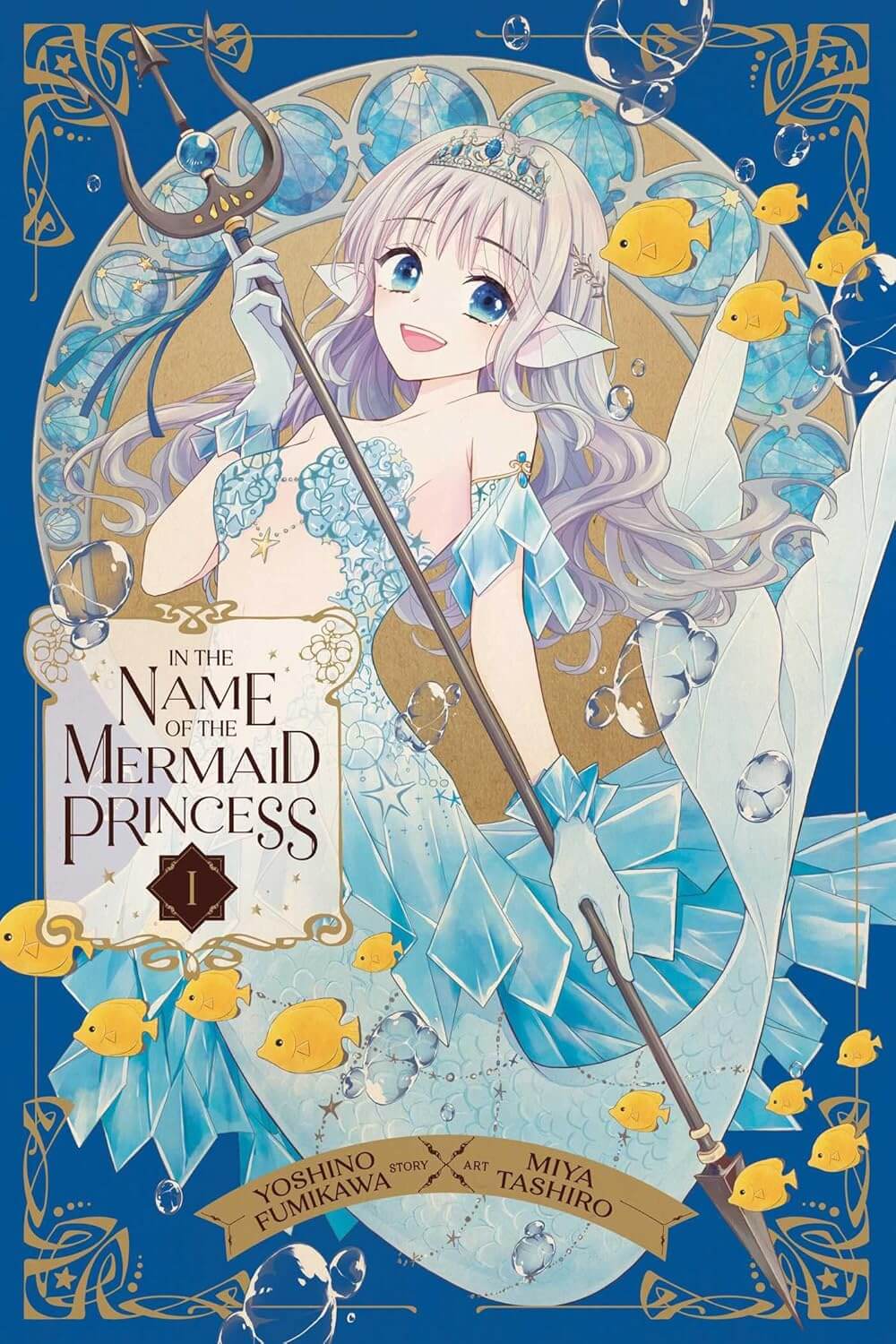
In the Name of the Mermaid Princess
Content Warning: Discrimination in a fantasy setting, slavery, and parental abuse
Genre: Fantasy, action/adventure, fairytale princesses
Themes: Overcoming hardship and discrimination, dealing with abuse, the power of friendship, self-discovery, first love, teamwork
For fans of: Ponyo, Frozen
Many girls dream of being a mermaid princess, but for Miyo of Blognig, life is no fairytale. Born an unhuman in a kingdom where unhumans are banned, she has been banned from ever leaving the palace. Her father, the king, is determined to make her human and forces her to undergo medical treatment that makes her walk on two legs instead of embracing her beautiful tail. She needs to become fully human soon, otherwise her arranged marriage to prince Chika of Aquatia will be called off for good. Though Miyo has never met Prince Chika, his letters are the only thing that brings her comfort in such a cold world. Well, besides her tutor Yuri, who has come to teach her the customs of Aquatia. He’s not like anyone she’s ever met before. He’s not afraid to hold her hand, and teaches her that perhaps it’s Blognig that’s the problem and not her.
I’ve written about my love for this series before over at Anime Herald. It’s perfect for kids who are starting to outgrow their Disney phase and are seeking more mature stories. Miyo and the other unhumans are easily read as a disability metaphor, but you can easily apply any other discrimination narrative to them. It’s a great book to open up discussion around social issues and what true equality looks like.
- Story: Yoshino Fumikawa
- Art: Miya Tashiro
- Translator: Junko Goda
- Adaption: Shaenon K. Garrity
- Touch-up Art and Lettering: Susan Daigle-Leach
In the Name of the Mermaid Princess is available from Amazon, Barnes & Noble, and Bookshop
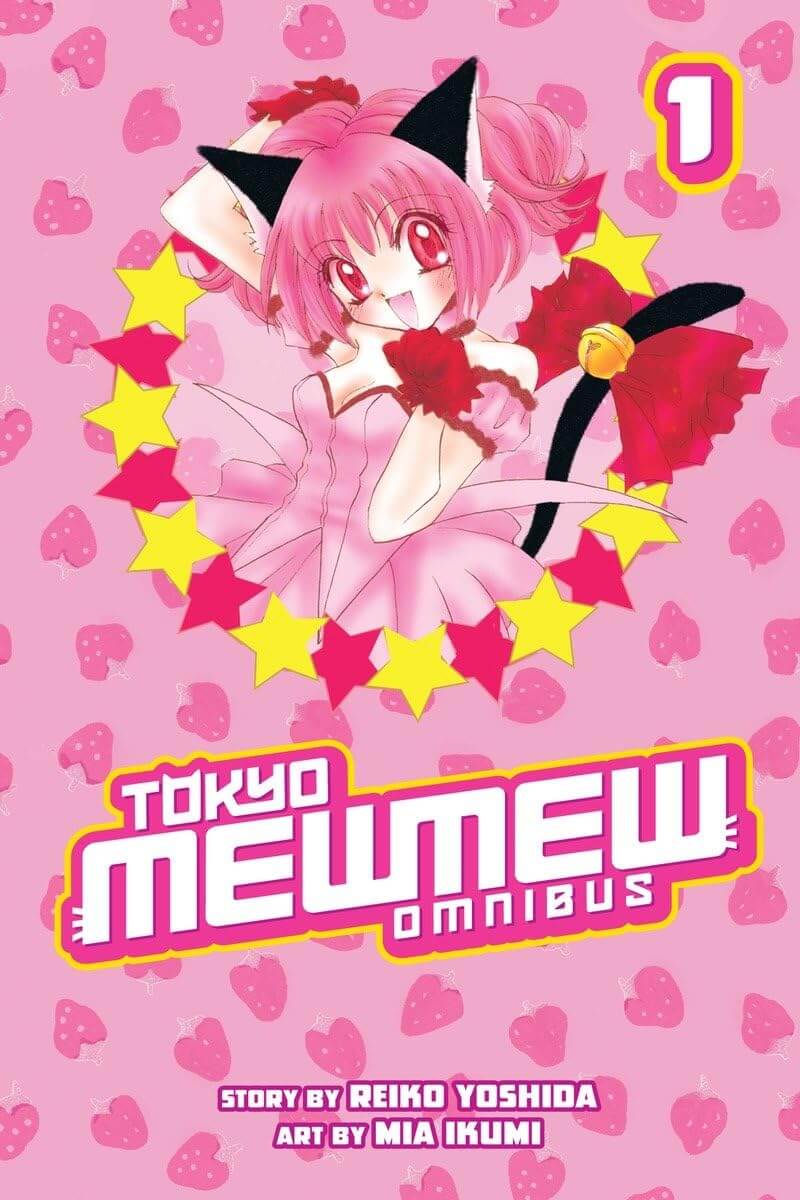
Tokyo Mew Mew
Content Warning: A villain romantically pursues a female character against her wishes
Genre: Science fiction, action/adventure, romance
Themes: Environmentalism, the power of friendship, teamwork, seeing things from other perspectives, first love, entering puberty
For fans of: Miraculous Ladybug, K-Pop Demon Hunters
Ichigo and friends have all had their DNA spliced with that of endangered animals: Ichigo with the Iriomote wild cat, Lettuce with the finless porpoise, Mint with the blue lorikeet, Pudding the golden lion tamarin, and Zacro with the grey wolf. Now, alongside the brilliant scientist Ryo and his loyal friend Keiichiro, they must take on the alien threat facing the earth’s animals! But who is the mysterious alien Kish who seems to be behind it all? And will Ichigo ever actually get to finish her date with the dreamy Aoyama?
Japanese magical girl series have inspired so many creatives over the years. Yet many series have elements that haven’t aged particularly well, from inappropriate romances to questionable depictions of queer people. I’m happy to report, though, that Tokyo Mew Mew isn’t one of those! This sci-fi fantasy adventure is all about girl power, falling in love, and saving the planet for tomorrow! The environmental factors are still (sadly) relevant to today, and will appeal to many young eco-warriors. There’s something for everyone here. Ichigo is the ideal friend who is there for you no matter what and will reach out to the lonely and the forgotten. She can also turn into a cat and gets to wear pretty pink dresses. There’s bad guy butt-kicking, squee-worthy romances, and girls supporting girls. At three omnibus volumes, it’s a great introduction to action shojo as a whole.
- Story: Reiko Yoshida
- Art: Mia Ikumi
- Translator: Elina Curran
- Letterer: AndWorld Design
Tokyo Mew Mew is available from Amazon, Barnes & Noble, and Bookshop
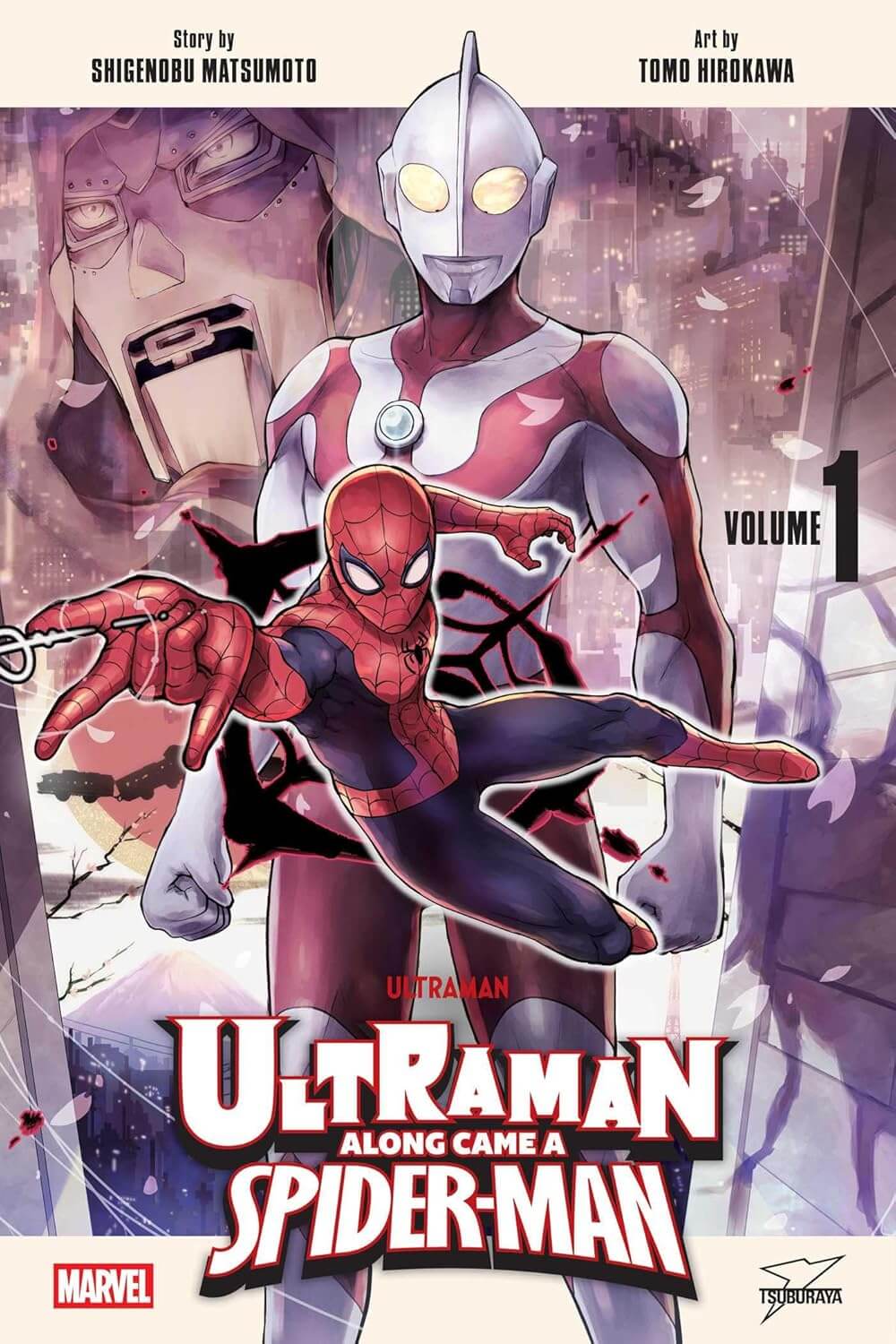
Ultraman: Along Came a Spider-Man
Genre: Action/adventure
Themes: Power of friendship, community, with great power comes great responsibility
For fans of: The Avengers, Power Rangers
Spider-Man is out with the rest of the Avengers, doing his best to save the day from yet another disaster. Iron Man might try to convince him that you can’t save everyone and that’s okay, but Spider-Man can’t let that mindset get to him. When Dr. Doom strikes, Spider-Man risks his own life to save others. In doing so, he ends up on a mysterious train that is charging through the sky and drops him off in another world. One that has never heard of the Avengers! This version of Japan has their own hero, though: Ultraman, an alien who takes the guise of a human to protect those around him. When a kaiju attacks, Spider-Man and Ultraman team up to save the day! But they’re not the only unlikely duo. Dr. Doom has made a dark pact with Mensch Heit to combine their powers to bring an end to their enemies. Just how can our heroes possibly stop them and save the day?!
One of the best ways to get kids into a new genre is to follow their existing interests. Spider-Man and Ultraman have been iconic heroes in children’s TV for generations. The Marvel movies continue to be some of the most successful movies in history, with characters that were once obscure becoming household names. This manga does the double duty of both having familiar characters and themes, whilst also introducing brand-new characters. It’s a great way to familiarize yourself with the wonderful world of tokusatsu. Be warned, though, you might end up with demands for more!
This is not the only Japanese take on American superheroes. Other manga series include: Spider-Man: Kizuna by Setta Kobayashi and Hachi Mizuno, in which elementary school student Yu and Peter Parker are combined into one body, and Superman VS Meshi by Satoshi Miyagawa and Kai Kitagou, in which Superman discovers the joys of Japanese cuisine. For older readers, there’s the original 1966 Batman manga by Jiro Kuwata and the Shonen Jump crossover bonanza that is Deadpool: Samurai by Sanshiro Kasama and Hikaru Uesugi.
- Original Creators: Eiji Tsuburaya, Steve Ditko, Jack Kirby, Stan Lee
- Story: Shigenobu Matsumoto, Shinji Oishi
- Art: Tomo Hirokawa
- Translator: Joe Yamazaki
- Letterer: Brendon Hull
Ultraman: Along Came a Spider-Man is available from Amazon, Bookshop, and Barnes & Noble
Age 11 – 12
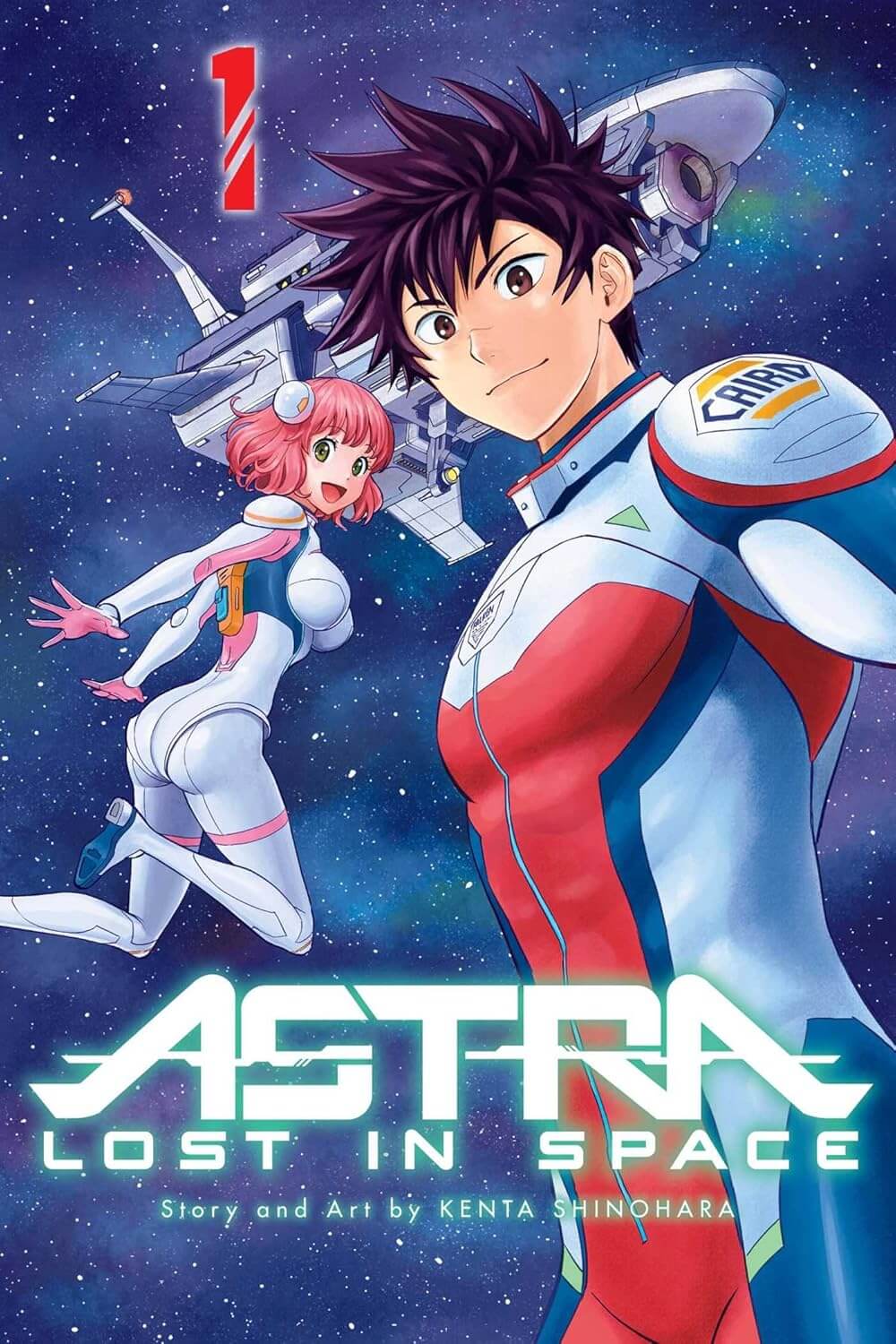
Astra Lost in Space
Content Warning: Parental abuse, non-consensual medical treatment, kidnapping, age-appropriate psychological horror and tension
Genre: Science fiction, mystery
Themes: Teamwork, the power of friendship, independence, space exploration, found family
For Fans of: Doctor Who, Star Wars: Skeleton Crew
When eight high school students (and one tag-along little sister) attend their first space camp, they’re looking forward to five days without any adults! What they don’t expect is for a mysterious sphere to consume them as soon as they land and suck them into the depths of space. In a twist of fate, an abandoned spaceship is waiting just above the surface of the planet. Now, these group of teens who’ve never met before must work together to refit this ship, find a fuel source, and plot a course back home.
The annoying thing about this series is that it’s so full of twists and turns that I can’t actually talk about what makes it so great. You’re just going to have to trust me that it goes places you won’t be expecting, and tropes you would assume are played out to exhaustion are completely turned on their head. At just five volumes, this is a great series to get into school libraries. It’s a brilliant, self-contained series that your students will love, but it won’t take up three shelves with 30+ volumes.
There is a certain amount of tits and ass that you get from the series, however. The space suits are skintight, and the covers pose the girls to show off all assets. However, I do not think this is any different from other popular shonen titles like My Hero Academia and Naruto. And, at least in this, the female characters outnumber the male characters, which means it does pass the Bechdel test.
- Story and Art: Kenta Shinohara
- Translator: Adrienne Beck
- Touch-up Art and Lettering: Annaliese Christman
Astra Lost in Space is available from Amazon, Barnes & Noble, and Bookshop
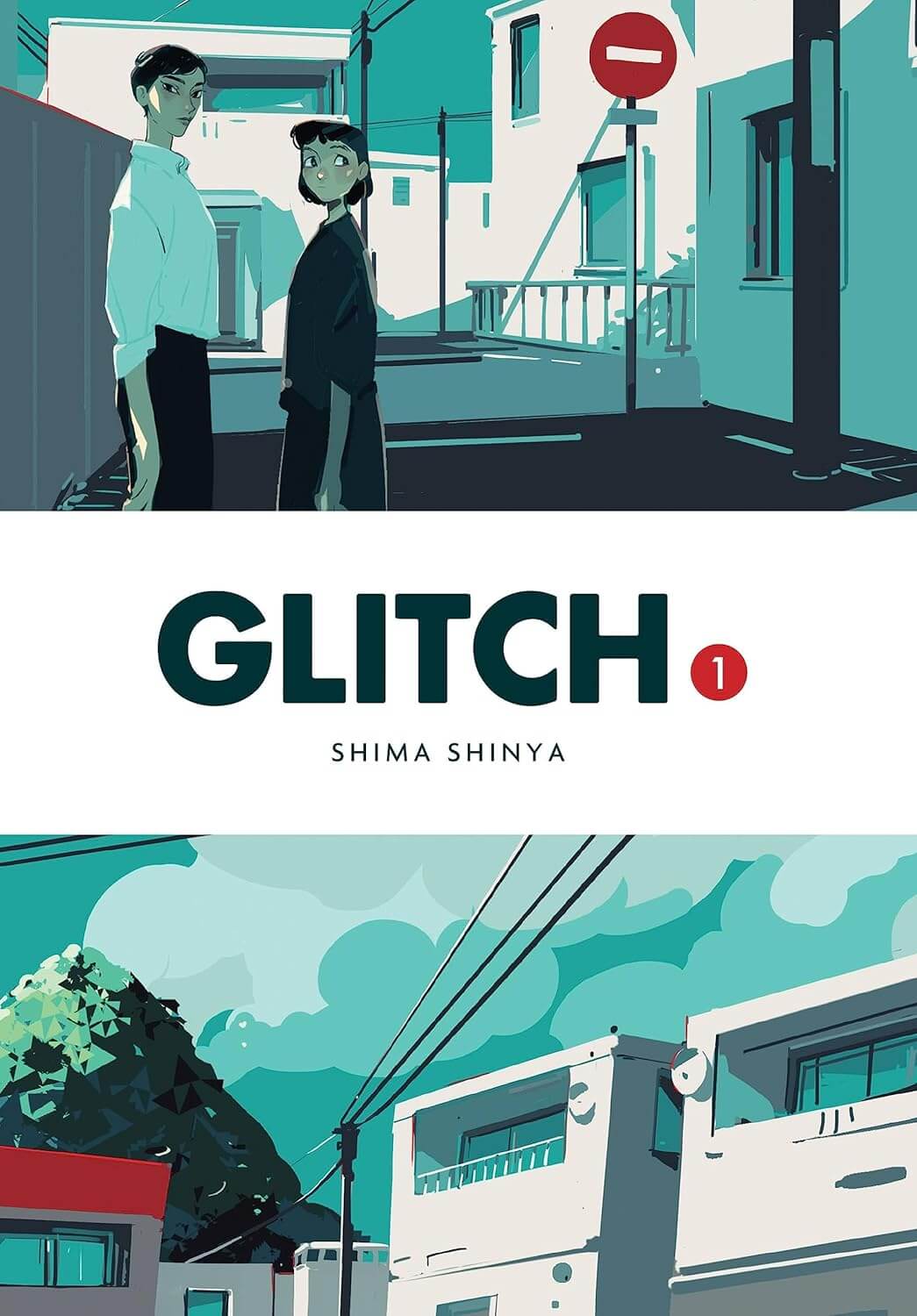
Glitch
Content Warning: Prejudice, age-appropriate psychological tension
Genre: Science fiction, mystery
Themes: Moving to a new town, friendship, multiculturalism, casual LGBTQIA+ representation, learning to see things from new perspectives
For Fans of: Stranger Things, Constantine
Siblings Minato and Akira Lee move to a new town in order to be closer to their single mother’s work. Things are always strange when moving somewhere new, but this place takes that to new extremes. There, alien-like creatures casually walk the streets and even own businesses. Mighty giants, known as Glitches, roam the streets, though only a few can see them. It also appears that nobody seems that bothered to work out what these things are. That is, except for the siblings and their new friends Ito, Kei, and the angel-faced alien Sei. They form an investigation group that looks into the history of the town and what the Glitches might have to do with the mysterious disappearances that keep occurring.
This manga is perfect for quieter, thoughtful children. There’s not a lot of action, as the manga is focused on slowly discovering the mysteries of the town. It’s also one of the most diverse series on this list, with it representing the sort of Japan we don’t often see in media: one where a girl has to make small talk with her mom’s new girlfriend, a dark-skinned biracial kid grows up speaking multiple languages, and a kid can be X-gender, and it’s never made into any sort of issue. The point is made that this universal acceptance makes the town stand out, however it feels more as though this town exists as an example of how the world should be—without the people going missing, of course.
- Story and Art: Shima Shinya
- Translator: Eleanor Summers
- Letterer: Abigail Blackman
Glitch is available from Amazon, Barnes & Noble, and Bookshop
My Love Mix-Up!
![The cover of My Love Mix-Up! volume 1. A watercolour-style drawing of three teenagers sitting at school desks. The drawing is horizontal, but presented vertically. One boy with black hair rests his elbow on a desk and hand on his head, looking bored but paying attention to class. A girl with a short black bob looks diligently forward. A boy with fluffy brown hair has his head buried in his arms on the desk, barely peeping out at the viewer with a shy expression.]](https://yattatachi.com/wp-content/uploads/2026/02/my-love-mix-up.jpg)
Content Warning: Everyday homophobia, mild sexual references
Genre: Romance, comedy
Themes: Bisexual awakening, dealing with crushes, dealing with heartbreak, romance and dating, high school hijinks, responding to everyday homophobia, friendship
For Fans of: Heartstopper, Drama by Reina Telgemeier
High schooler Aoki has the biggest crush on Hashimoto. So, he’s naturally devastated when he discovers her eraser has “Ida,” the name of the boy who sits in front of him, written on it! When Ida spots the eraser, Aoki pretends it’s his to spare Hashimoto from having her crush revealed before she’s ready. But now, Ida thinks that Aoki likes him, and is putting serious thought into dating him. But Aoki likes Hashimoto! Not Ida! However, the more time he spends with Ida, the more he starts to see why Hashimoto would like him, and the more he realizes that maybe he likes Ida too?! What follows is a high school love story between a bunch of really swell kids.
This sweet, dorky love story is sure to appeal to all budding romance fans. Aoki’s exaggerated reactions are hilarious and endearing. It’s a very bisexual-affirming story, where Aoki’s feelings for Hashimoto are never seen as different or lesser than his feelings for Ida. The story starts as a comedy of errors before becoming a sweet, loving, teenage romance. The evolution of their relationship is an incredibly slow burn, which means you find yourself cheering like Ireland won the World Cup when anyone holds hands or gets kissed on the cheek.
- Story: Wataru Hinekure
- Art: Aruko
- Translation and Adaptation: Jan Cash
- Touch Up Art and Lettering: Inorui Fukuda Trant
My Love Mix-Up is available from Amazon, Barnes & Noble, and Bookshop
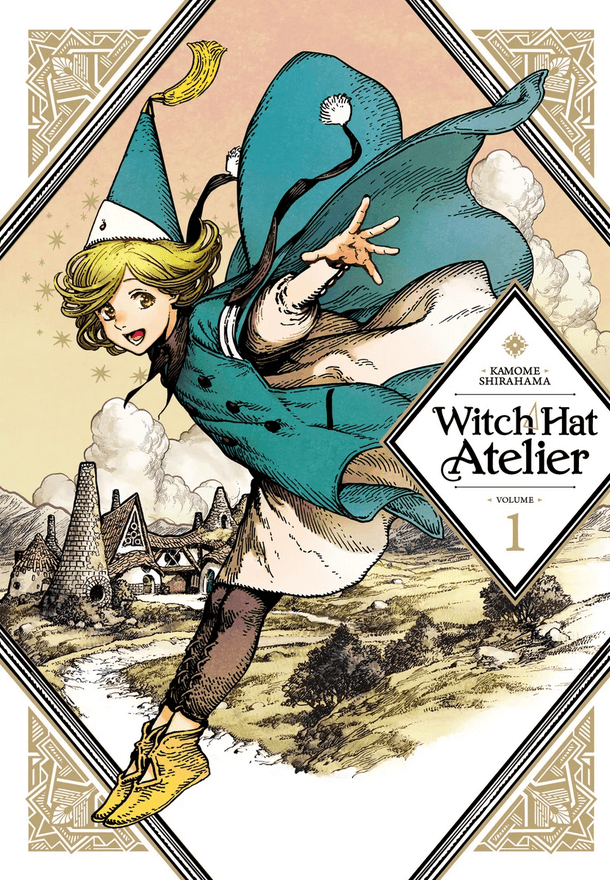
Witch Hat Atelier
Content Warning: Disability discrimination, LGBTQIA+ discrimination, class discrimination, violence, peril, bullying, abuse, military presence
Genre: Fantasy, action/adventure, mystery
Themes: Magic, coming of age, grief/mourning, the power of friendship, the joys of creativity, understanding and confronting discrimination, the wealth gap
For Fans of: The Owl House, Wednesday
Coco has always dreamed about being a witch. However, witchcraft is something that you’re born with, not something you can learn… Or so she thinks. When she uncovers a picture book and a special pen that looks just like the wands used by witches, disaster strikes. Magic explodes around her, turning her mother to stone. It turns out that magic can be learned—all it requires is a special pen and ink. However, Coco has unwittingly committed the greatest taboo a witch can do; she performed magic on another human. Magic can be used to make tools and items that help humanity, but never on the body itself. However, since Coco was never supposed to have received these tools to begin with, she is granted a pardon. She’s then taken in by Qifrey as his apprentice. Now living with three other girls her age, she finds comfort and joy in creation and friendship! But witch society is by no means the utopia Coco always thought it was. Sinister things are afoot. Just who was it who gave her that picture book to begin with? Why did it contain such a powerful and dangerous spell? And whilst everyone tells her that the Brim Hats are an evil organization who want to use the taboos to harm others… is that really true? Can healing people ever truly be an act of evil?
Witch Hat Atelier is universally loved for a reason. It’s one of those series that artists in 20 years will be crediting as having had the biggest influence on them. The story is so gripping that you find yourself devouring a volume in a single go and then think about nothing else for six weeks.
The joy of creativity is a major theme. We follow Coco’s delight as she gets better and better at hand-drawing magic sigils and discovers all the places it can take her. In a world where AI is seen as an easy shortcut, the pure pleasure on Coco’s face whilst drawing her squiggly practice lines is delightful. I’ve written before for Anime Herald about how great the disability representation is in this series, so I shan’t go further into it here, but rest assured that this book doesn’t rest on its laurels or hand-wave all social problems by solving them with magic. Magic, if anything, seems to cause more problems.
But above all else, Shirahama’s artwork is the standout. Each page is worthy of being hung up in a gallery. The dip pen style is reminiscent of old German fairytales. If you only get one book from this list, get this one.
- Story and Art: Kamome Shirahama
- Translator: Stephen Kohler
- Letterer: Lys Blakeslee
Witch Hat Atelier is available from Amazon, Barnes & Noble, and Bookshop
The Next Chapter!
Hopefully, you have found this list helpful. It’s by no means conclusive, and every child will vary in ability and interest. But these are all a great place to start and would make great additions to any library. Manga can be an excellent way to get reluctant readers to pick up a book and discover the joys of reading. The images help with understanding and interpreting the text, and anime is so popular at the moment it makes for an easier sell than, say, The Chronicles of Narnia. And, hey! If you’re an adult and you think you might like one of these series, go for it! I read each of them myself, and I would never recommend something I didn’t also enjoy.
And lastly, remember: Having fun isn’t hard when you’ve got a library card!
Article edited by: Anne Estrada
Big thank you to our supporters
From their continous support, we are able to pay our team for their time and hard work on the site.
We have a Thank-You page dedicated to those who help us continue the work that we’ve been doing.
See our thank you page