
Content Warning: Disordered Eating
Synopsis:
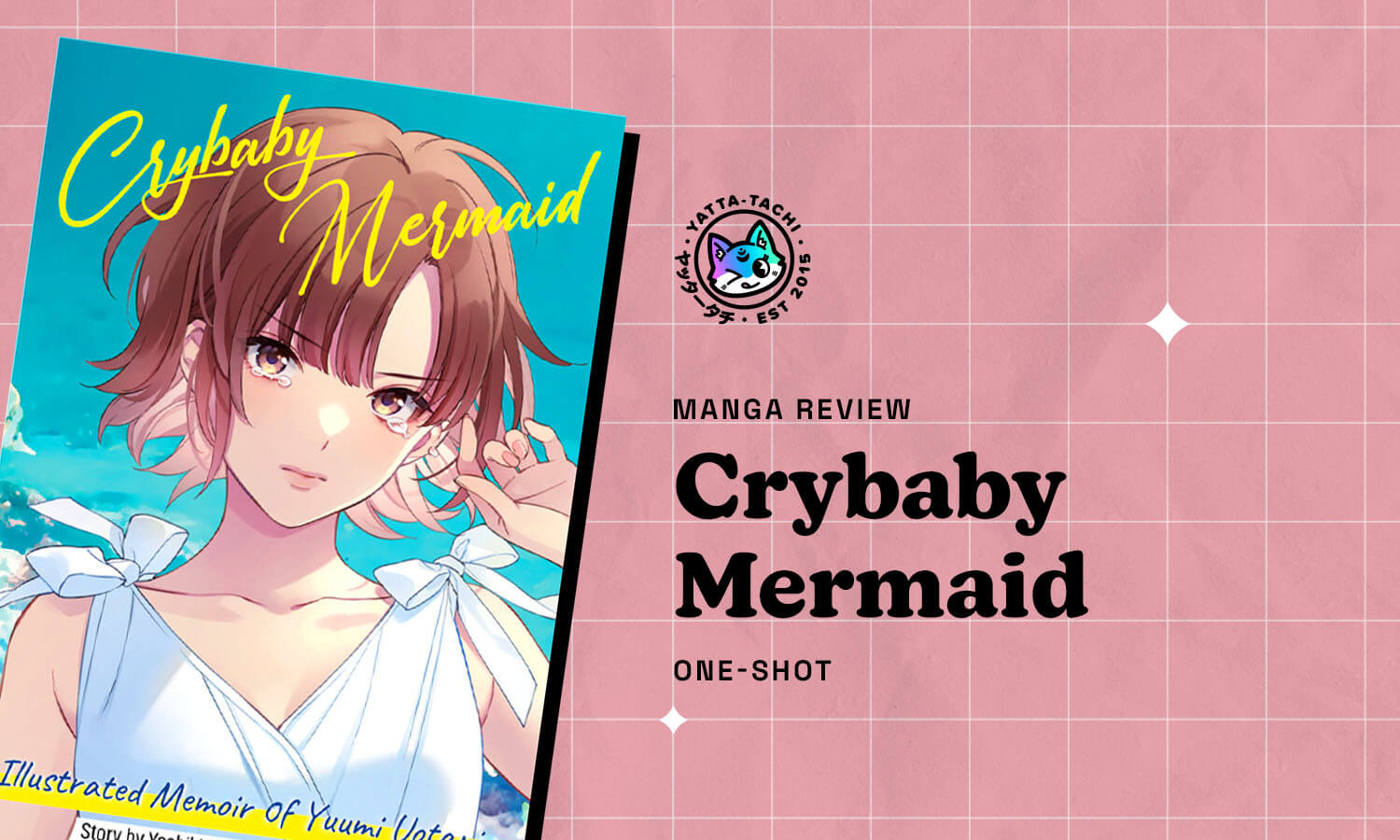
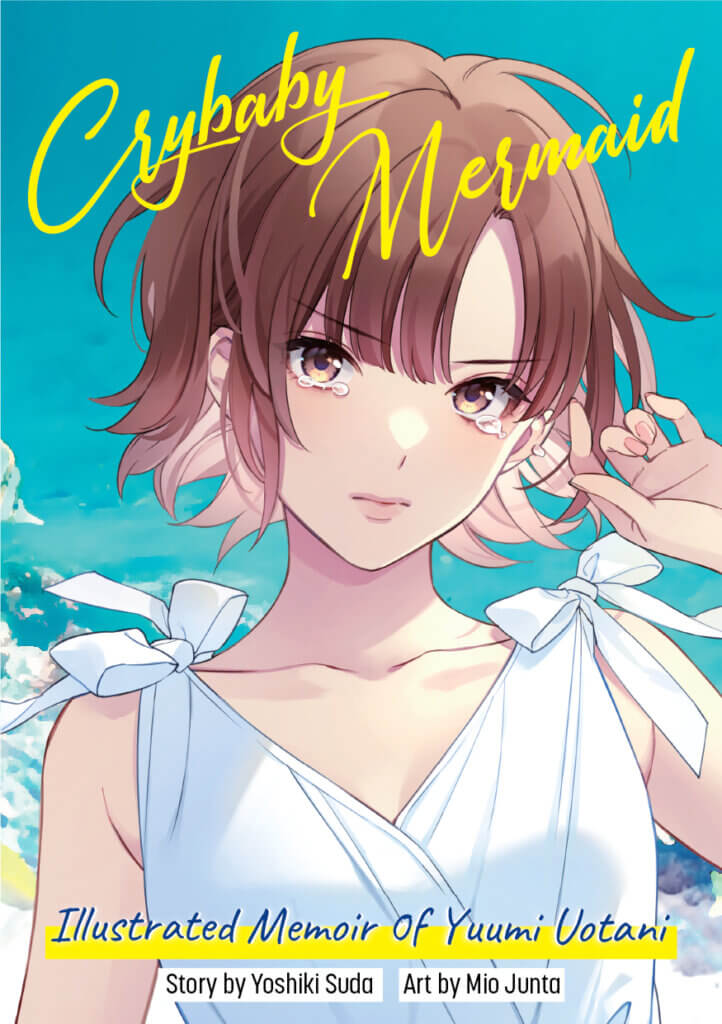
Yuumi Uotani did not start as the legendary mahjong player she is known as today. Crybaby Mermaid follows her story from the beginning, as she bounces back from crushing defeats, learns the complexities of the game, and gains the mentality of a true professional player. See how she became a player who didn’t have to wonder if she deserved a place at the mahjong table, because she knew that she earned it.
An Important Confession
Before reading Crybaby Mermaid, I had little more than surface knowledge of mahjong. I’ve played computerized versions of mahjong solitaire over the years, but that is nothing compared to the complexities of a game as popular around the world as a full blown sport or simple gambling hobby. Still, I knew nothing of karuta before becoming transfixed by Chihayafuru. Other series like Hikaru no Go and After School Dice Club proved to me that board games can provide a basis for fantastic stories. I knew that this biography of Yuumi Uotani’s life, even if I had no idea who she was, could draw me in regardless. Did it succeed?
The Good
I walk away from this memoir with a firm understanding of how to become a professional mahjong player,how club play works, and how impressive it is to regularly be able to win at such a complex and fascinating game. Having watched plenty of Texas hold ‘em tournaments in my lifetime, I can understand why people would follow this game just like they would any other sport.
For those not as well-versed in mahjong, the underlying story is heartfelt and easy to identify with. Uotani is easy to root for as she fights through burnout, risks having her dreams shattered, and does her best to engage with this game she has become absolutely enamored with. I’ve engaged with many competitive hobbies myself over the years and saw parts of her journey reflected in mine.
There’s a decent glossary at the end of the book that describes important terms mentioned in the book as well as basic mahjong rules. There are even a few mock exam questions at the end as a neat way to test your skills.
The Bad
One sign that this manga is especially geared towards those knowledgeable about mahjong are the interviews with Uotani between chapters. I was lost between descriptions of hands played during games and the nuances of why certain decisions were made. I know the first interview in particular was meant to show her personality through how she plays, but I was unable to glean much due not being as deep in the mahjong world.
The book assures me some of her moves and choices are inspired or interesting, but I was forced to take it at its word. Other series about sports or games have done a better job at expressing these things by showing over directly telling. In all fairness, this may be more difficult to do with a game like mahjong.
This story is supposed to show Uotani’s rise to become a famous professional player. While it does not hinge entirely on understanding the gameplay, being able to be emotionally engaged with that gameplay is important. Crybaby Mermaid failed to make that possible for a novice reader like myself. This may also be why I wasn’t able to really understand her nickname or the whole mermaid thing in general. If this is something she is known for in Japan, that the book failed to communicate this to me is a big miss.
I also spotted typos in the interview segments. This was surprising from the same team and editors that inserted literal tiles into speech bubbles, which I assume must have been an interesting typesetting and editing challenge. Still, the typos did not make this book unreadable by any means.
The Verdict
This book sets up an interesting gamble for a reader like myself who is not mahjong savvy. It puts up a wall that requires deeper knowledge of mahjong to surmount, in order to understand what makes Uotani such an interesting player. This will either leave readers confused, or spark enough interest in the game that they will want to explore further and come back with greater understanding.
Admittedly, Crybaby Mermaid did not achieve that most positive result from me as a reader. I am not likely to start watching mahjong or to play it casually online. But it has made me more likely to consider anime and manga about mahjong in the future,, which does say something to the strength of the story here.
This book is an effortless recommendation to those knowledgeable about mahjong, or who know about Yuumi Uotani as a player and would like to learn more about her. For outsiders like myself, or interested novices, it’s best to seek out a more beginner friendly story to satisfy those needs.
You can purchase Crybaby Mermaid directly from MahjongPros as well as on Amazon.
If you liked Cybaby Mermaid you might also like…
- Ping Pong by Taiyou Matsumoto
- Chihayafuru by Yuki Suetsugu
- Maetel of the Glassy Sea by Yoshiki Suda
Credits
Story: Yoshiki Suda
Art: Mio Junta
Translation: Miina Lin
Letterer: Skylar Rutan
Cover Design: Lynn Vuong
Mahjong Editor: Harrison Doan
Editor: Dr. Hematheja “Theja” Lanka
Published in English by Mahjong Pros
Thank you to Mahjong Pros for providing a review copy. Receiving this copy did not affect the reviewer’s opinions as expressed here.
Article edited by: Adam Wescott
The Good
- I better understand the world of mahjong now.
- A story that’s easy to identify with.
- A solid glossary to help with mahjong complexities.
The Bad
- A bit too much show instead of tell.
- A couple surprising typos.
- I still don’t get the mermaid thing.
Big thank you to our supporters
From their continous support, we are able to pay our team for their time and hard work on the site.
We have a Thank-You page dedicated to those who help us continue the work that we’ve been doing.
See our thank you page